
With the onset of El Niño, Agricultural experts are warning that the country faces a high probability of a shortened wet season, likely followed by extended periods of below-average rainfall.
National Agricultural Research Institute is encouraging the public and farmers to look at options to save clean drinking water, ensure farming continuity and food security.
The El Niño brings the risk that some areas will have a shorter than expected wet season and lower than expected rainfall which will make farming more difficult later in the year, particularly in areas where the wet season is expected to be followed by a dry season with less than normal rainfall.
Learning from serious droughts in 1997 and 2016, NARI research has developed technologies and a series of drought-coping strategies for rural communities, covering the stages of drought preparation, farming during a drought period and post drought recovery.
Many of these strategies have already been taken up by communities through awareness programs and training by NARI and partners but NARI calls for a much wider response.
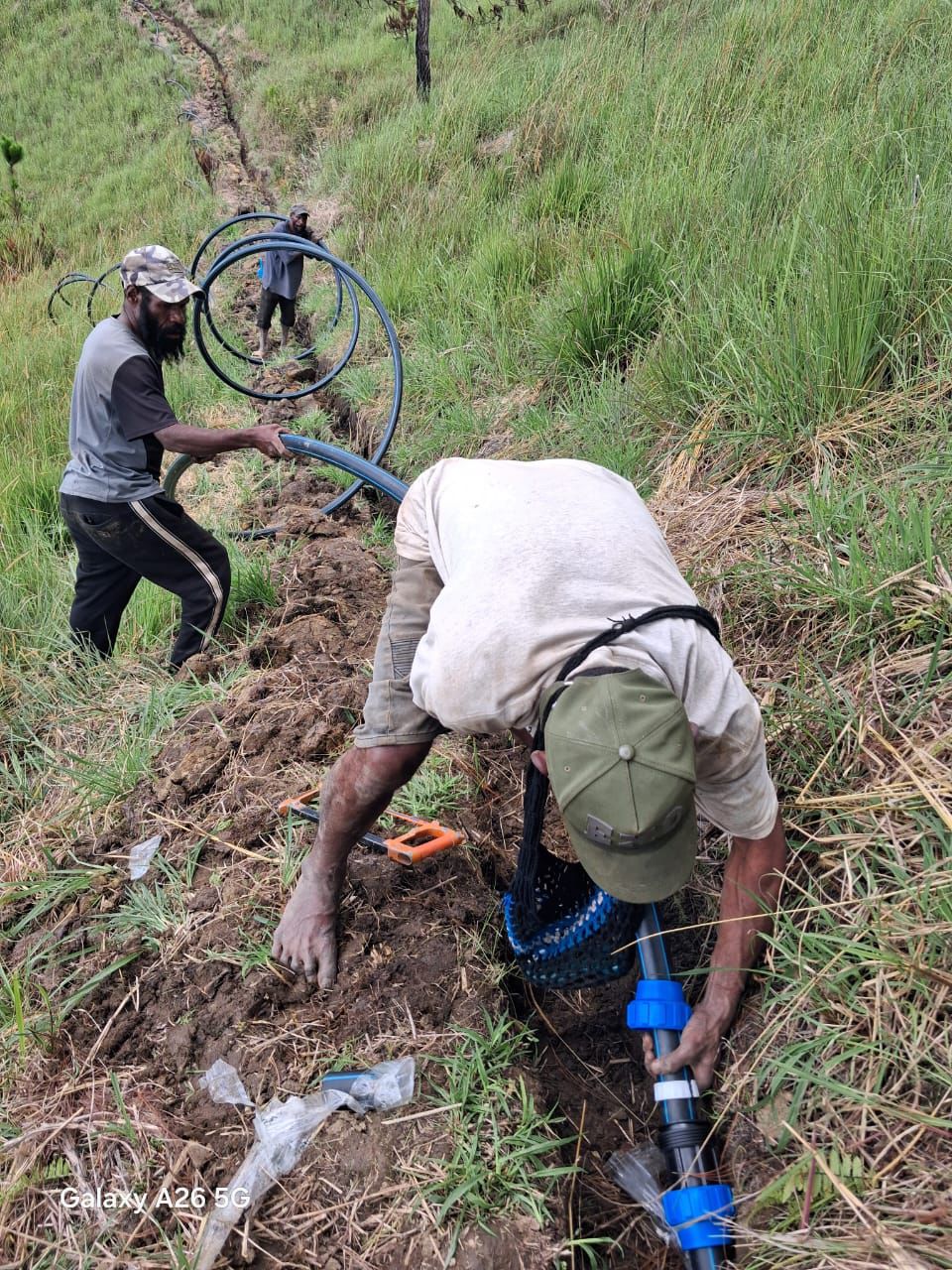
A primary concern is the protection of clean drinking water. As water tables drop during prolonged dry periods, rural communities often face difficulty in sourcing water that is safe for household consumption. While irrigation could serve as a safeguard for crops, it remains largely under-utilized in many regions.
In response to the growing dry spell, some laboratory facilities of NARI in Port Moresby have opened their testing services to help farmers verify water quality in streams and boreholes before using them for irrigation.
Agricultural advisors through the office of NARI are encouraging communities to shift their management practices immediately to better prepare for the months ahead.
Diversification of crops: Drought-hardy crops like the African yam and cassava are useful additions to food security. Both can stay in the ground longer and produce good roots/tubers under dryer conditions, reducing risk of food shortage during longer dry periods.
Seed Preservation: Seed saving techniques ensures planting material is available for recovery post drought. “Storage Sand Sprouting” is a newly developed technique to save and protect storage roots of sweet potato during predicted drought and frost recovery.
Varietal selection: Shifting toward early-maturing and drought-tolerant crop varieties is being highlighted as a necessary step to reduce the risk of total harvest failure.
While technical strategies exist to mitigate the effects of El Niño, the primary challenge remains the equitable distribution of resources and information to the most vulnerable districts.
Local and provincial authorities are being urged to play a more active role in the coming weeks by establishing localized seed-multiplication centers and small-livestock breeding programs. By distributing these resources, NARI officials aim to ensure that rural farmers have consistent access to the planting materials and technical support required to maintain production throughout the climate event.
Residents and farmers are encouraged to contact their provincial or district agricultural extension offices to identify the specific crop varieties and livestock management techniques best suited to their local environment.
Interventions such as simple irrigation techniques, water harvesting technology, silage for livestock feed, seed saving techniques, rapid crop multiplication techniques, sweet potato weevil management, wheat and rice cultivation and processing and other useful information are available for the public and farmers.
