
PAPUA New Guinea is on high alert as regional and international climate outlooks confirm a high likelihood of El Niño conditions developing and persisting through the second half of 2026.
The naturally occurring climate pattern, driven by warmer-than-normal sea-surface temperatures across the central and eastern tropical Pacific Ocean, threatens to bring an extraordinary and prolonged dry season to the country.
For PNG, El Niño commonly triggers below-normal rainfall, severe water shortages, crop stress, and major food-security pressures. Some regions will face heightened bushfire risks, while the Highlands region must brace for potential frost.
Regional forecasts warn that while some equatorial Pacific countries might see increased rain, PNG and nearby neighbors extending toward Vanuatu are facing a much higher probability of drier-than-normal conditions.
In response to the building climate threat, a directive has been issued for the Central Government to draw up a coordinated National Strategy within the next two weeks.
The immediate focus for the state machinery includes identifying highly vulnerable communities, mapping out available water sources, protecting and repairing local water systems, and promoting strict water conservation. Agriculture and food contingency plans are also being prepared alongside the monitoring of looming health impacts.
With the dry spells already creeping into parts of the country, the government is looking at modifying current Financial Instructions to ensure funding channels can quickly reach lower levels of government.
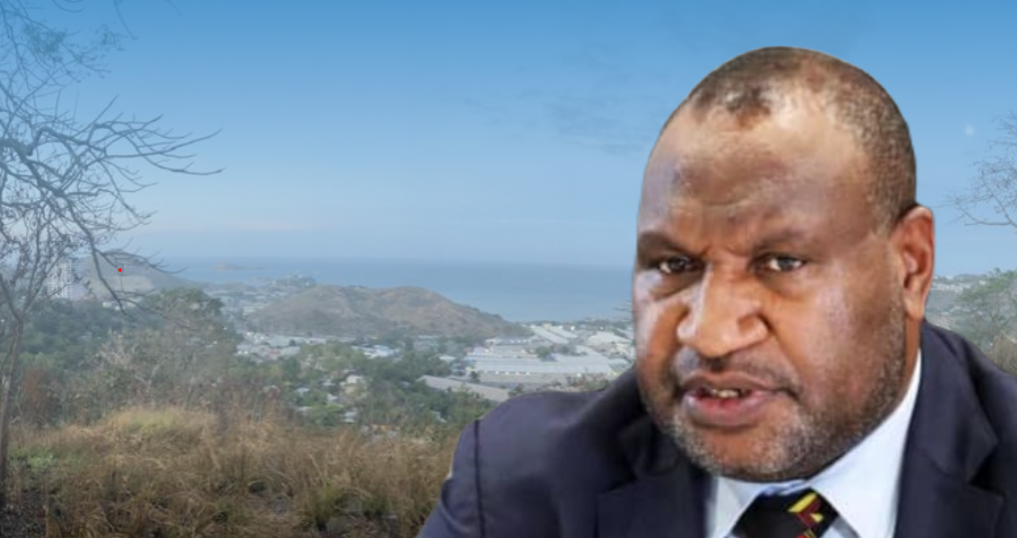
“Appropriate Financial and Administrative arrangements to support Provincial and District Governments to prepare for, are being examined, to mitigate and respond to Disaster situations arising from prolonged dry conditions,” Prime Minister James Marape stated.
However, because Papua New Guinea’s diverse geography means a single national blueprint will not work, the primary responsibility for immediate mitigation is being pushed directly to local leaders and provincial administrators. Communities near permanent river systems face vastly different realities than those in dry inland areas, isolated islands, or high-altitude zones.
“I just want to pass instruction to all Districts and all Provinces to be prepared for an extraordinary Dry Season if it does happen,” Marape said.
“Our country has a system where Provinces and Districts have channels of funding from the National Government. Cabinet is looking at tailoring provisions of our Financial Instructions to make sure that Districts and Provinces are assisted to prepare and respond to Disasters as they happen where appropriate, especially this prolonged Dry Season that is coming.”
With local authorities expected to lead the ground response, districts must independently identify their specific threats and pinpoint alternative water supplies.
“We are keeping tab on what is happening and, wherever possible, the National Government is intervening to make interventions,” Marape said.
“But in the meantime, we have asked Provinces and Districts to take ownership of this Disaster that may happen and have a localised approach.”
“Each area knows where water flows,” he added.
“We are a country that has a lot of river run-off, so those living beside river run-off, the Districts and Provinces should be having a response tailored appropriately. We will look at those who are far from rivers and see how best we could approach this as we go forward.”
As the country prepares for a difficult second half of the year, the emphasis remains on early preparation to protect livelihoods, crops, and local water security before drought conditions intensify.
“I have given the Central Government the next two weeks to come up with a Strategy to deal with this issue,” Marape said.
“But we have asked our Districts and Provinces to have local responses prepared and to assist in mitigation in case there is a prolonged Dry Season.”
“This is a time for preparedness, not panic,” the Prime Minister says.
“Every District and every Province must know its vulnerable areas, know its water sources, protect its people and prepare early.”
