
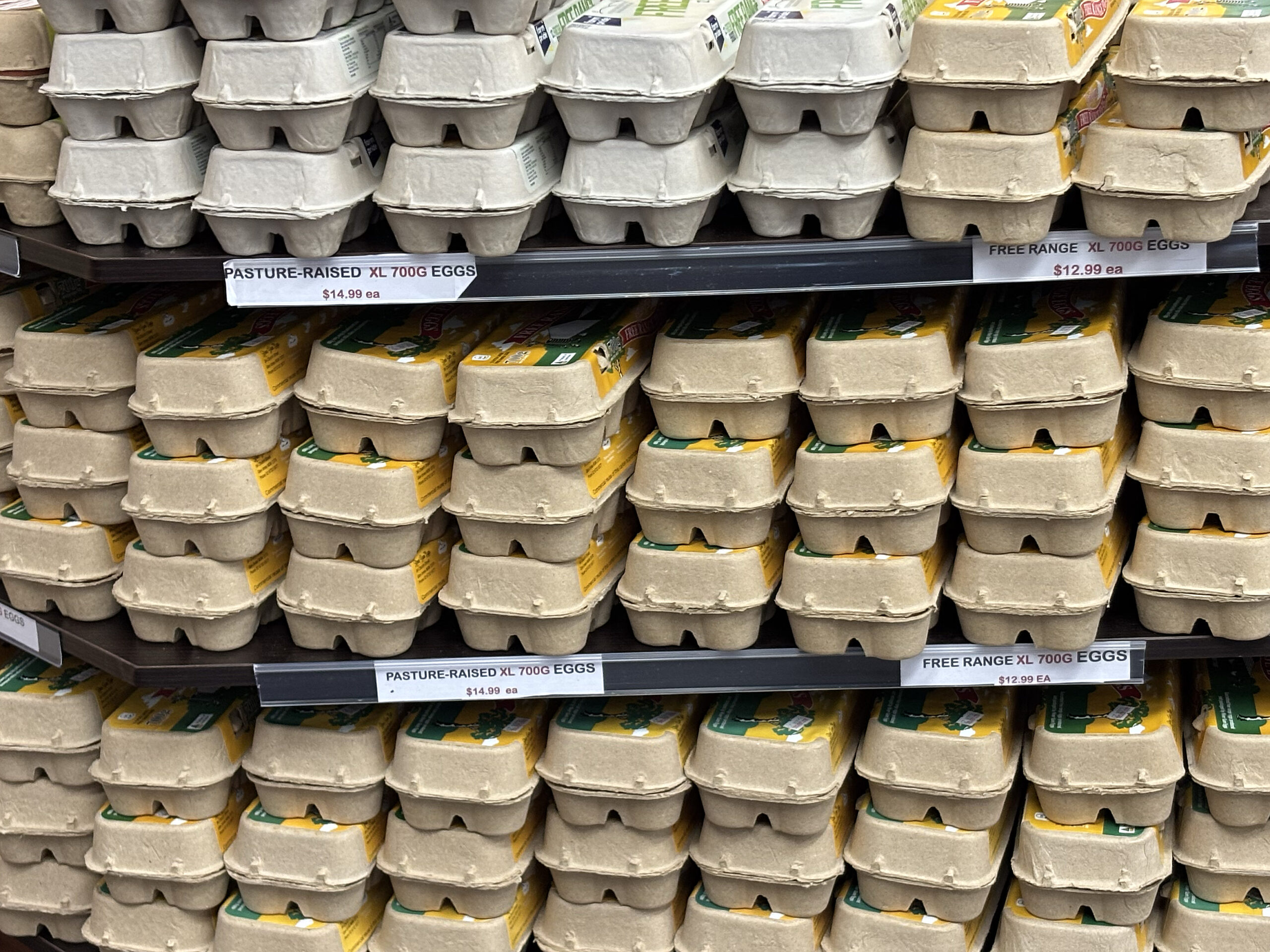
Papua New Guinea has moved quickly to restrict poultry and egg imports from Australia following the discovery of a deadly strain of bird flu on the Australian mainland, though authorities have already refined the scope of the ban to target the highest-risk products.
The National Agriculture and Quarantine Inspection Authority (NAQIA) initially issued an urgent, blanket suspension on June 22, 2026, after two wild waterbirds tested positive for the highly contagious H5N1 strain of avian influenza in the southern part of Western Australia.
However, following rapid risk assessments and updated data showing the virus remains contained, NAQIA modified the restrictions just 24 hours later.
“On 23rd June 2026, further updates indicate the infection remained in the wild bird population and that domestic caged and free-range commercial farms were not affected,” Chief Veterinary Officer, Dr Ilagi Puana told InsidePNG News.
“As a result of this recent update, the temporary import suspension was lifted for all States in Australia except for Western Australia and that the products sourced from free range commercial farms remain suspended until further notice.”
Under the refined measures implemented on June 23, the trade restrictions are highly specific to how the birds are raised and where they originate;
- Western Australia Free-Range Ban: Chicken meat and eggs raised in free-range systems from Western Australia remain strictly suspended. Free-range products from all other Australian states are still considered for import.
- Barn-Raised & Processed Exceptions: Mechanically deboned meat (MDM) and mechanically separated meat (MSM) sourced from barn-raised and free-range chickens are permitted from all states. Furthermore, barn-raised products from Western Australia are allowed.
- Shipments En Route: Importers with supply already on the water will not see their cargo turned away. NAQIA confirmed that “consignments prepared and exported before 22nd June are permitted from all States.” Any shipments exported after that date will face the targeted Western Australia free-range restrictions.
This targeted approach will likely cushion the blow for PNG’s food supply and trade. Australia is the country’s primary source of imported chicken, a trade worth over K340 million ($133 million AUD) annually, with PNG buying nearly half of all Australia’s chicken meat exports.
The Australian Department of Agriculture, Fisheries and Forestry confirmed it is working closely with NAQIA to resolve the remaining restrictions.
“The department is actively engaging with PNG to resolve this issue,” Australian officials said in a market trade update on Tuesday.
Before trade can fully return to normal, NAQIA is demanding strict safety milestones.
“Australia must provide assurance and guarantee that current birdflu situation remains restricted to wild birds and birdflu does not spillover into the free range commercial flocks,” stated Dr Puana.
While Western Australia’s Agriculture Minister, Jackie Jarvis, said there is no evidence of mass bird deaths yet, major poultry companies like Inghams have already locked down their Western Australian farms to protect their flocks.
The caution is well-warranted. The H5N1 strain is notoriously destructive, having devastated farming industries globally and leading to the culling of more than 200 million chickens in the United States alone in recent years. Because the virus is carried by migrating wild birds, NAQIA is taking no chances. The authority confirmed it already has an internal “monitoring programme in place” to watch wild migratory birds and local poultry farms within PNG.
Meanwhile, NAQIA is urging local communities to take immediate biosecurity precautions. For village chicken farmers across PNG, the authority says to protect local flocks from wild birds.
“Farmers must keep the flock indoors at all time.”
