
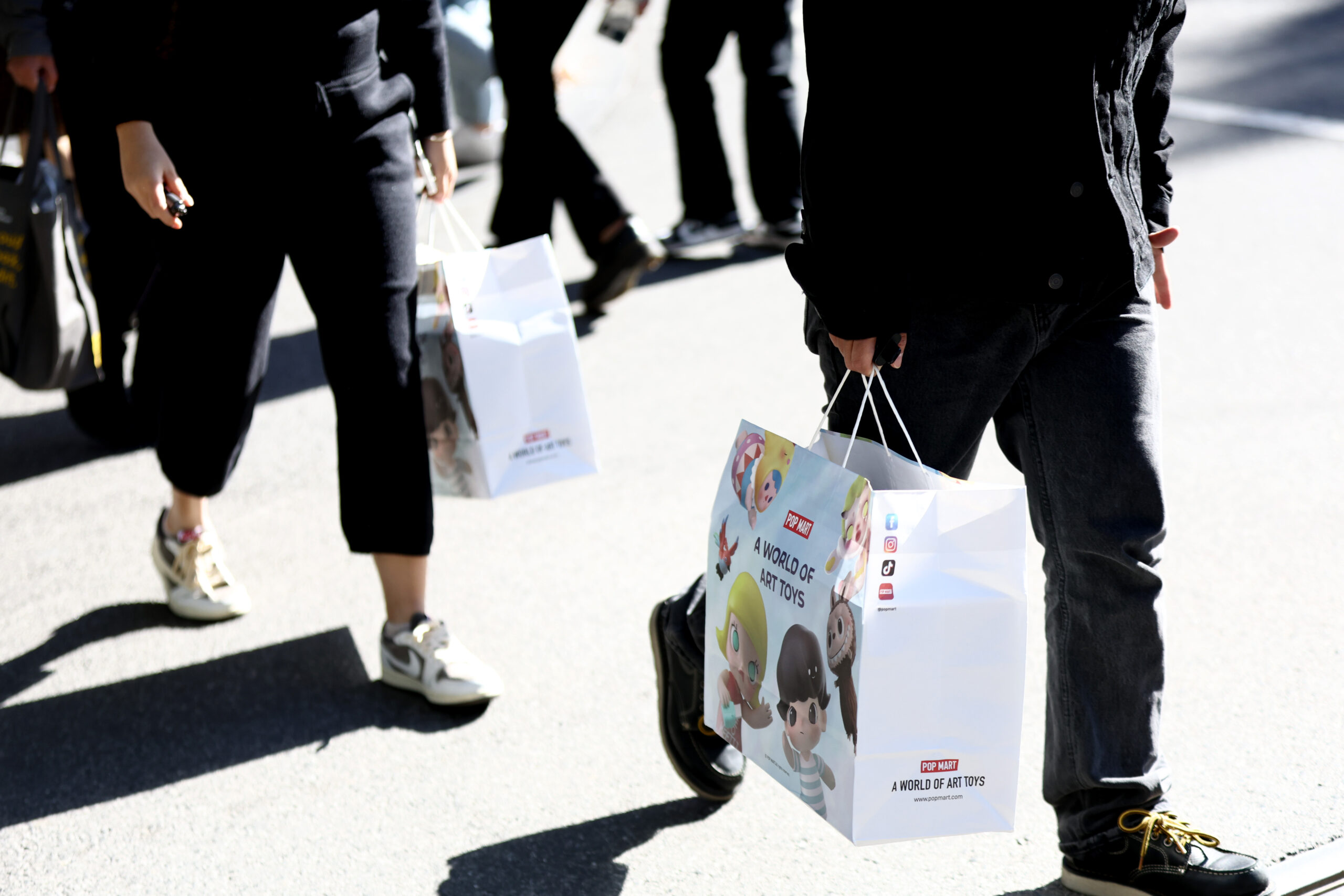
New economic data released on Tuesday shows that Australia’s underlying inflation rate rose slightly in January, putting fresh pressure on the federal government as it prepares the upcoming budget.
According to the Bureau of Statistics, trimmed mean inflation the Reserve Bank’s preferred measure that ignores extreme price swings hit an annual rate of 3.4%. This is a small increase from the 3.3% recorded in December.
While the “headline” inflation rate, which covers all goods and services, stayed steady at 3.8%, the rise in underlying prices suggests that the cost of living remains stubborn.
The biggest factors pushing prices higher in January were, Housing costs, Food prices, Recreation and culture.
Finance Minister, Katy Gallagher said that the end of certain government power bill discounts played a role in the January numbers.
“We did see last month that inflation ticked up a little and we saw largely as a result of some of those temporary energy rebates coming off that influenced those,” she said.
For many Australians, the news is a double blow. Because inflation is staying higher than the Reserve Bank (RBA) would like, experts now expect further interest rate rises later in 2026. The RBA already lifted the cash rate to 3.85% in February.
Furthermore, the spike in costs means that real wages have fallen for the first time in over two years, as paychecks fail to keep up with the rising cost of groceries and rent.
The government is currently finalizing the Federal Budget, which will be handed down in May. Minister Gallagher said these new figures will be a major factor in their planning.
“The job for the government remains the same, being conscious that the decisions we make right for the economic circumstances of the time,” she said.
“So we’ll see what that data says, and we’ll make decisions based around that.”
Source: Australian Associated Press

Comments are closed.