
The Australian Government is supporting Papua New Guinea in the fight to prevent and minimize the alarming rates of HIV and Aids in the country.
Australia is working with the Health Department of PNG to strengthen HIV prevention, early diagnosis and treatment for mothers, infants and young children at the community levels.
In strengthening the health systems and awareness programs, health workers from across PNG participated in the National Prevention of Parent-to-Child Transmission and Early Infant Diagnosis Integrated Training Program in Port Moresby.
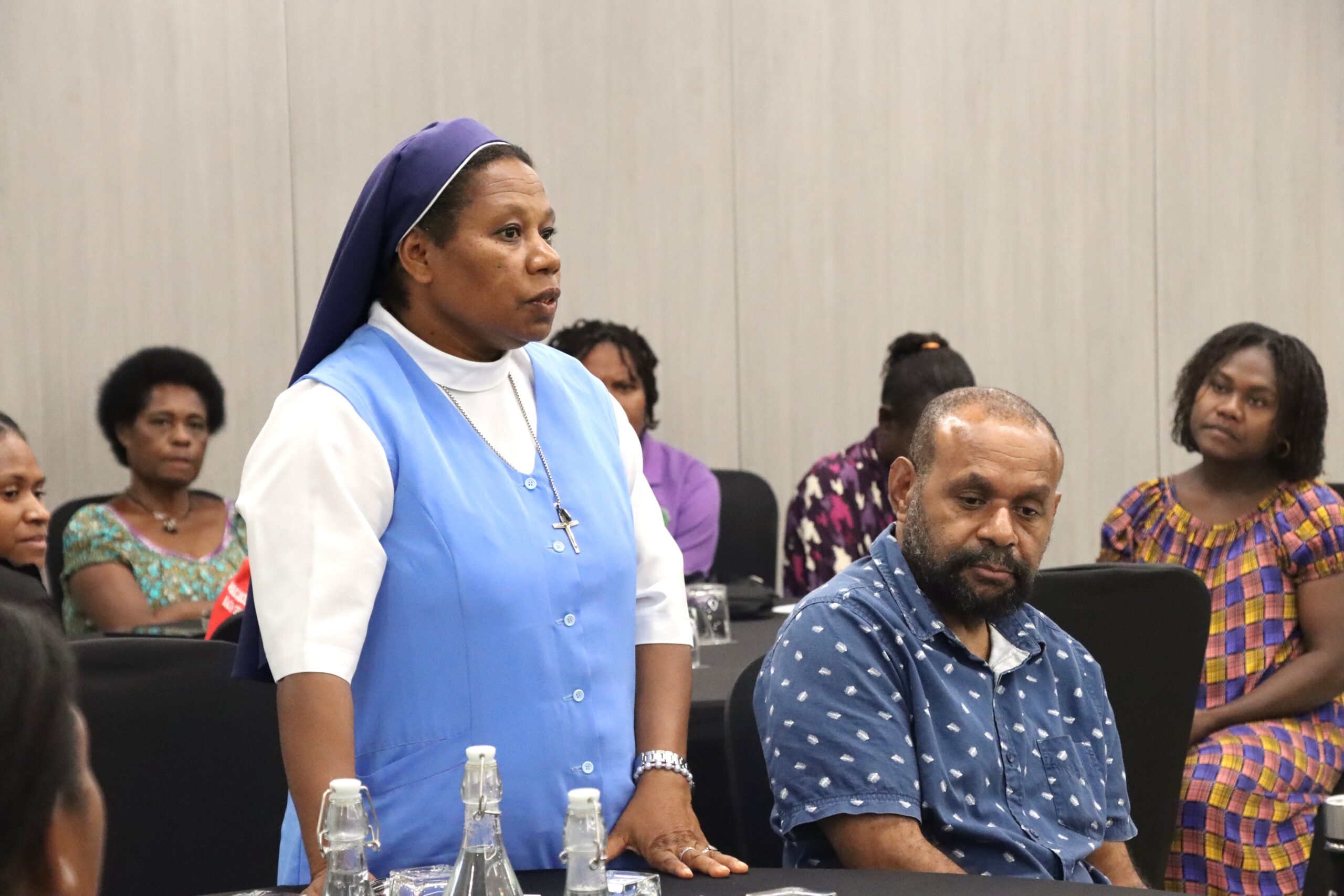
Sr. Milliana Wangusawo an STI and HIV Coordinator at the Madang Provincial Health Authority who attended the training supported by the PNG-Australia Partnership, said the training was an important opportunity to improve the quality of care provided to women and children in her province.
“This training equips frontline health workers with the precise clinical skills they need to deliver expert care and save lives,” Sr Milliana said.
Newborn babies who are born from women who have HIVAIDs are at high risk of contracting the disease at childbirth or during breastfeeding stages. Hence the early detection of the virus is vital to protect the babies soon after delivery.
A UN report states that Globally, an estimated 1.3 million women and girls living with HIV become pregnant each year. In the absence of intervention, the rate of transmission of HIV from a mother living with HIV to her child during pregnancy, labor, delivery or breastfeeding ranges from 15% to 45%.
In 2024, Papua New Guinea recorded around 2,700 infants were newly infected because mothers lacked access to antenatal care and HIV testing at the health facilities.
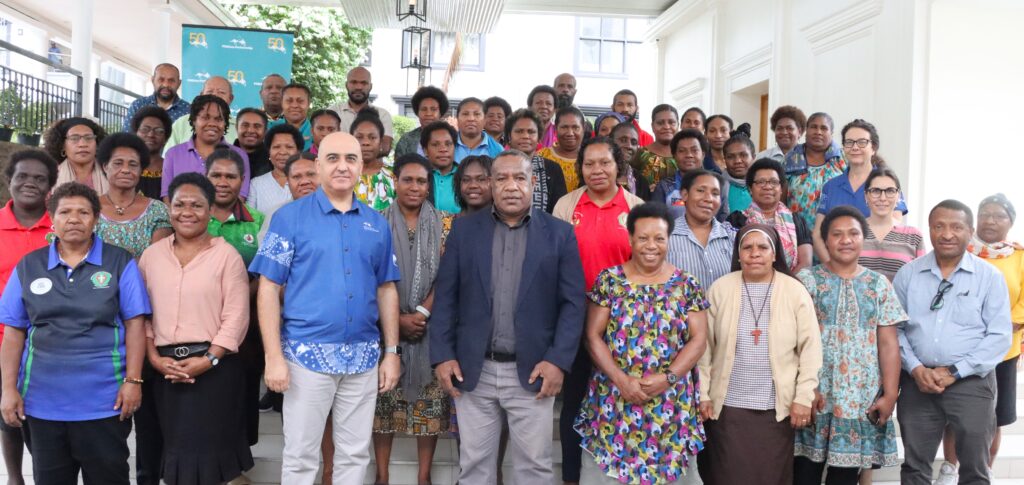
The training brought Sr Milliana and other health workers together with representatives from PNG’s National Department of Health, provincial health authorities, Catholic Church Health Services and the Australian High Commission.
Sr Milliana works at the frontline of PNG’s HIV response, supports efforts to translate national policies and clinical guidance into better services for families and communities. She has seen first-hand how improved systems can help prevent babies from contracting the virus.
“Ending parent-to-child transmission is within our reach if we can diagnose, prevent and treat early,” Sr. Milliana added.
The knowledge and practical skills she received through the training will help her connect with mothers and infants with earlier testing, treatment and follow-up.
It will strengthen her ability to provide HIV treatment to pregnant women, diagnose HIV in infants, manage essential supplies and data, and deliver safe, stigma-free care.
With HIV in PNG disproportionately affecting women and children, this continuity of care is critical, particularly in provincial and community settings.
It also strengthened collaboration among government, faith-based health providers and development partners and local communities.
The Australian Government remains committed to working in partnership with PNG to strengthen its health system, build a capable and confident health workforce, and expand access to quality HIV services, particularly in rural and remote communities.
