Category

Education

Category

Sparks are flying on social media as a viral video creates a whirlwind of debate around Papua New Guinea and its vast linguistic landscape.

At the center of the storm is a reel uploaded by global influencer Yuji Beleza, who, during his travels in Japan, crossed paths with Papua New Guinean, Joseph Baki Kaore.

As is the nature of Yuji’s content, he asked Kaore to say something in his native language so Yuji could try to guess its origin. Kaore warned Yuji that it might be a difficult guess, but proceeded to give it a try.

@yuji_beleza

Final Language Boss 🇵🇬 . Papua New Guinea has the most languages in the world. There are nearly 850 languages. 10% of the world’s languages are in Papua New Guinea 🇵🇬 . #papua #africa #japan #papuanewguinea #languages

♬ original sound – yuji_beleza

“Rabirabi namona,” Kaore answered. A greeting in the Roro language of the Kairuku District in Central Province.

This simple exchange has seen many Papua New Guineans sharing conflicting opinions. A large segment of the audience argued that Kaore’s response did not represent the “main” language of the country, suggesting he should have spoken in Tok Pisin, the most widely used vernacular in Papua New Guinea.

Others, however, stood by Kaore. They pointed out that as a man hailing from Kairuku, a district in the Central Province, he correctly answered in his local Roro dialect. This highlights a crucial distinction: while Tok Pisin is one of Papua New Guinea’s three official recognized languages, it is not an indigenous language in the same way Roro is. Tok Pisin evolved originally as the local creole but languages like Roro are the ancient, rooted identity of the people and the land itself.

Diversity as Strength, Not Conflict

This debate is, in many ways, nonsensical. Papua New Guinea is the most linguistically diverse nation on earth, boasting over 860 distinct languages. The argument over which language “best” represents the country ignores the very fact that defines us.

One single language cannot be the defining tongue of Papua New Guinea because our 1,000+ tribes are built on the foundation of 860+ different ways of speaking.

This viral moment serves as a call to action for the people of Papua New Guinea. Rather than disputing which language is ‘official’ enough, the nation should celebrate this as a victory for all 860+ voices on the global stage. True national identity is found in honoring every local dialect and recognizing that our beauty lies in our complexity, not in a forced uniformity.

Beyond Words: The Greeting Controversy

It wasn’t just the spoken words that were scrutinized. Another point of contention was the greeting Kaore displayed, a respectful act where two people touch foreheads.

Joseph Kaore showing Yuji Beleza how people greet eachother in the Kairuku way.

Critics online (largely uninformed) were quick to claim this gesture resembled the Hongi of the Māori culture. However, this form of greeting is traditional practice in the Kairuku culture of the Central Province, as well as several cultures in the Gulf Province.

Rather than labelling this gesture as pirated from Māori culture, it should be viewed as a testament to the deep cultural ties among Pacific nations. While we are geographically spread across the ocean, we share deep ancestral roots and a Pacific history that naturally results in cultural similarities.

A Call for Cultural Education

Instead of dividing ourselves through debate, this viral moment should be viewed as an opportunity to learn. It is a reminder that as people coming from such a diverse background, more education is needed regarding our own neighbors’ customs.

While schools host annual cultural shows and traditional dances are showcased every September 16th for Independence Day, we must ask: Is this enough?

Is enough being done to preserve PNG’s unique dialects and traditions, or is the country falling prey to the homogenizing influence of the Western world? When a “standard” identity is favored over tribal roots, people risk losing the very things that make them unique.

While the world marvels at Papua New Guinea’s diversity in language and cultures, Papua New Guineans must also improve their knowledge about other Papua New Guinean cultures to be able to tell the world about them.

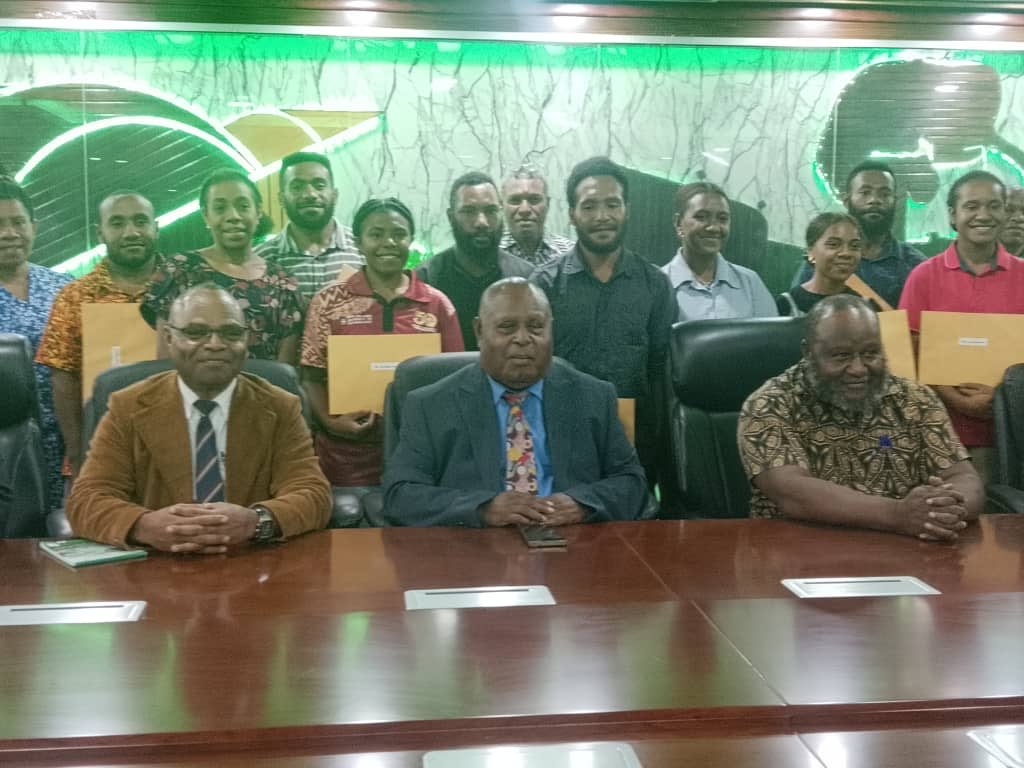
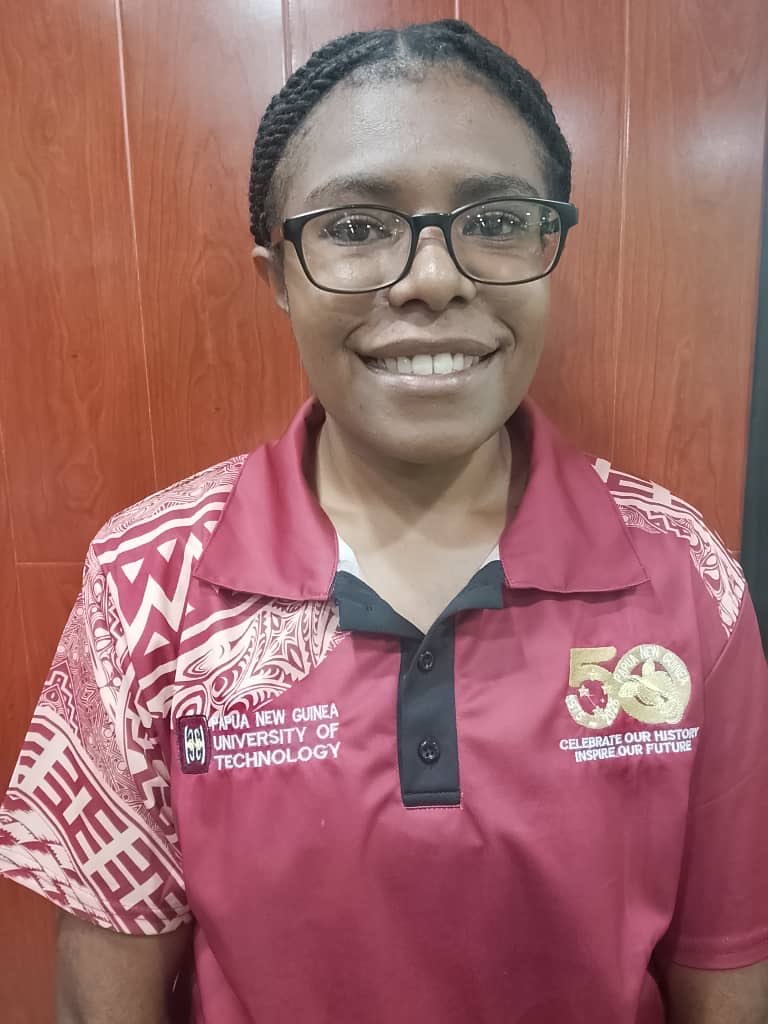
PNG Forest Authority Acting Managing Director, John Mosoro presented Professional Work Experience Certificates yesterday (January 7) to 15 students from the University of Technology  studying the Bachelor of Science in Forestry Degree program.

Eight young men and seven women took part in a 24 -day training program under various directors at the Forest Authority Headquarters in late November and December last year (2025).

Mr Mosoro congratulated and encouraged the students to utilize what they have learnt.

PNG Forestry Executives and Unitech Forestry Students
PNGFA Acting MD, John Mosoro (Centre).

He explained to the students before presenting the certificates that forestry plays a key role in PNG’s development and must not be isolated from other sustainable resource sectors.

” I want you to have a different mind-set towards the forestry sector, forestry is not just about timber and log exports, it is about our people and welfare and how they can benefit from their resources.

Forestry must not be isolated in PNGs development, it is integrated into the Medium Term Development Strategy Plan and Vision 2050.

” Forestry and PNGFA play a key role in the development of PNG. We assist and give licenses to landowners to develop their resources and gain economic and other benefits as well as open up road links to rural parts of PNG under the Connect PNG programme, ” Mr Mosoro said.

He assured the students that PNGFA will recruit the best by merit. They will be sent out to the field under different directors initially to gain hands on experience and build up their careers in forestry and other sectors.

“I want to groom up and coming young minds. I want the best in forestry and will employ by merits, ” Mr Mosoro said.

One of the student trainees Miss Mona Lisa Ten said it was a privilege and wonderful to gain professional work experience at PNGFA.

” At Unitech we learn out of text books. We do not get hands on experience. This 24-days with the PNGFA directors was an insightful and eye opening experience. It was a wonderful experience, I would be happy to be employed by PNGFA and start out on the field, ” Miss Ten said.


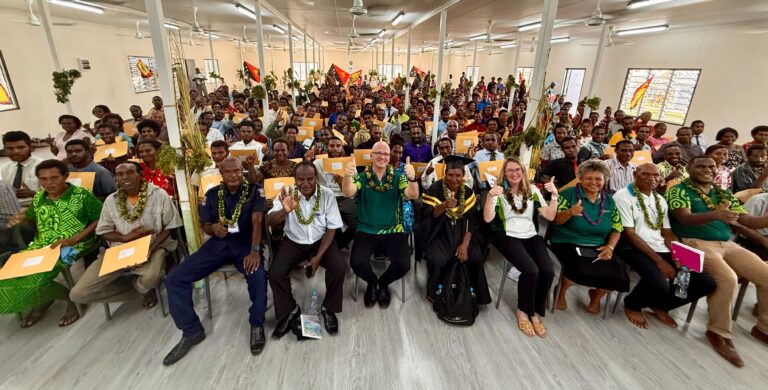
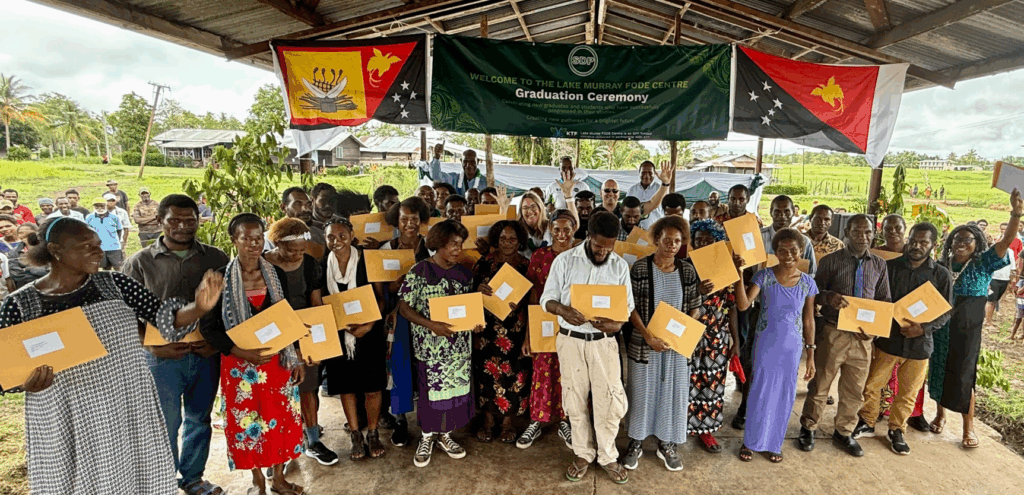
In a region known for its vast landscapes and tight-knit communities, a wave of educational achievement is being celebrated. Over 840 individuals in the Fly River area of Western Province have successfully advanced or graduated through the Flexible Open Distance Education (FODE) program, marking a significant milestone for the province.

This achievement, made possible through a collaborative effort funded by the Sustainable Development Program (SDP) and implemented by the Kokoda Track Foundation (KTF), in partnership with the Western Province Division of Education, is opening doors for people seeking a second chance at education in some of Papua New Guinea’s most remote locales.

Western Province Graduation Class

Among the many success stories, the journey of Marilyn Duwaba shines brightly.

A dedicated primary school teacher and a busy single mother of three in Kiunga, Marilyn recently celebrated a personal triumph: upgrading her Grade 12 results through FODE.

Over two decades after her initial schooling, Marilyn felt compelled to improve her GPA to meet new government standards for educators. The flexible nature of the FODE program allowed her to pursue this goal while continuing her vital work in the classroom.

Marilyn’s dedication culminated in a remarkable achievement in 2024; not only did she improve her GPA, but she was also recognized as the Dux of her class.

Reflecting on her success, Marilyn had this to say, “I was so excited that my effort had paid off. I feel that with this kind of opportunity in the community, we don’t have to stay at the same level; we can continue to advance ourselves and provide good opportunities for our families and contribute to our communities as well.”

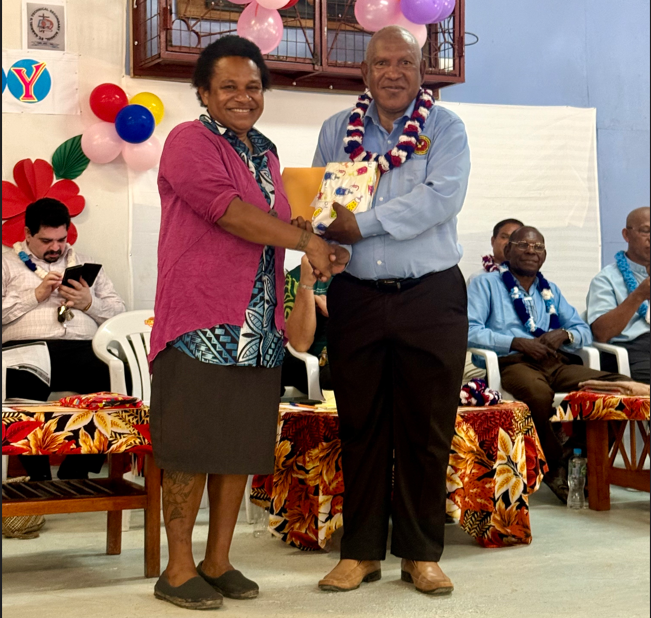
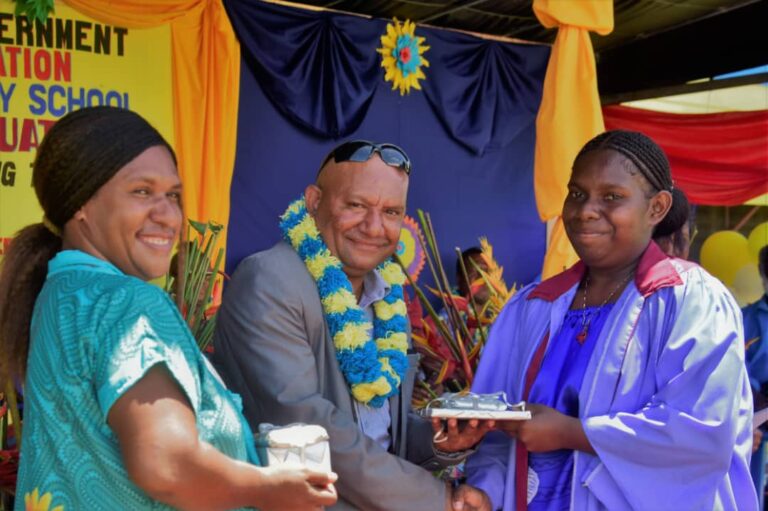
Marilyn Duwaba at her Graduation in Western Province
Marilyn Duwaba, Grade 12 Dux Student at Western Outreach FODE (left)

Driven by her own experience, Marilyn is now encouraging others who may be hesitant to return to education.

“You don’t stop because it does not turn out right the first time,” she urged.

“If you want to achieve something then you keep going. Education does not end with a certain grade, we can keep upgrading ourselves so we can provide a better community for ourselves and our families.”

The graduation celebrations across Western Province underscored the strength of the partnerships driving this progress.

Representatives from local government, SDP, and KTF joined the festivities, including Western Provincial Education Advisor Mr. Charlie Buia, SDP Director of Education Dr. Brad Shaw, KTF CEO Dr. Genevieve Nelson, and KTF Head of Education Ms. Martha Bentley.

This initiative, fueled by the vision of SDP’s Gutpela Community Strategy 2025-2030, is forging a path towards a brighter future for Western Province.

Through the combined efforts of SDP, KTF, FODE, and the Western Provincial Division of Education, a growing number of empowered individuals are gaining the skills and qualifications needed to pursue employment and further education, building a stronger and more prosperous community for all.


A total of two-hundred and fifty-nine (259) Grade Eight students graduated at the St Paul’s Lutheran Primary School in Lae today.
 
School Head Teacher, Alfred Norman Lewong says this the graduation is significant in marking the end of the traditional grade eight graduations for primary schools in the country.
 
“With the proposed phasing out of examinations for students passing out of grade eight, this is a memorable occasion for our school,” says Mr Lewong.
 
Mr Lewong further thanked the board, parents, stakeholders and sponsors for their continuous support to the school throughout the year outlining funding delays from the government.
 
“We haven’t had a graduation ceremony for some years and I am grateful to our corporate sponsors who had came on board this year to make this graduation a success,” added Mr Lewong.
 
One of the sponsors, the Owner of Wonderful Taxi and Hire Cars Services and Gabensis Guest House, Chris Donald says he is proud to sponsor some awards at the graduation because education plays a vital role in the development and growth of the nation.
 
“As a Lutheran devotee,  I am happy to be supporting one of our pioneer schools in Lae and Morobe province,” says Mr Donald.

Mr Donald also represented PC & JY Woo company who sponsored the grade eight dux award which was presented to top student, Ms. Grace Totabun.
 
St Paul’s Primary School is one of the biggest schools in Lae with a total of 1,648 students.
 
Mr Lewong says as a Level 8 school, it would be a massive challenge if they are chosen to accept Grade nine students in 2025.
 
“Under the 1-6-6 Policy, we would have to accept grade one to grade nine students and that would be a burden on the limited learning infrastructures we have in the school,” says the Head Teacher.
 
Meanwhile, Education Minister Lukas Dekena this week says examinations will continue and will not be used as means to select students to continue or being left out.


IMAGE: Supplied by Sylvester Gawi

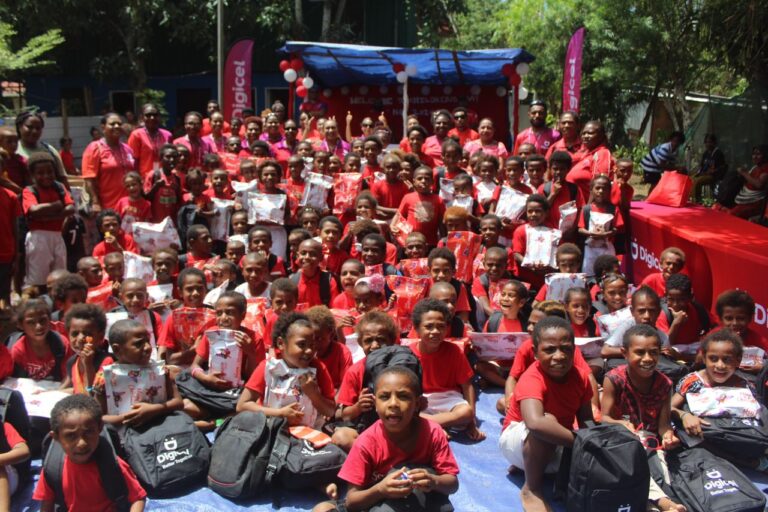
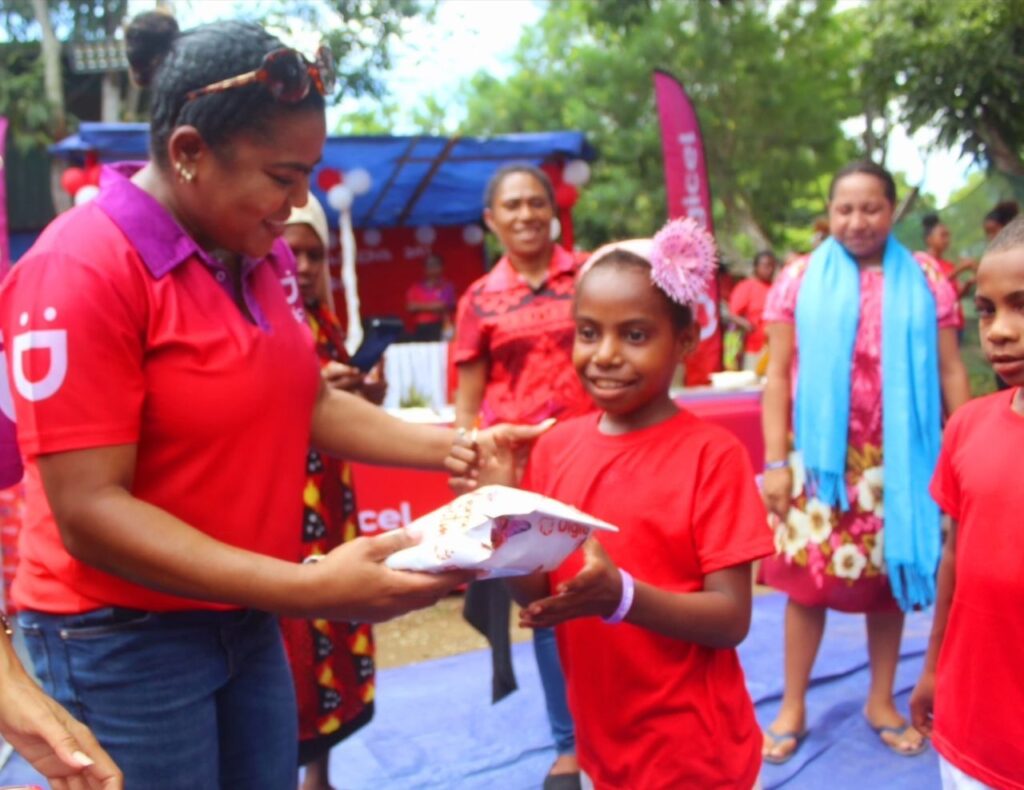
Students at the Light Bearers Early Childhood Learning Centre will not worry about school stationary next year, after receiving Digicel Backpacks full of school supplies.

In the true spirit of giving this holiday season, Digicel PNG brought cheer to Light Bearers Early Childhood Learning Centre located in Bomana, Port Moresby.

A non-government organization, the Centre is a recipient of an open-air classroom built in partnership with Digicel’s Foundation housing over 150 students.

The school was first established in 2017 and this year marks its seventh year of operation in the community. The program started with a fantastic welcome speech by advanced grade student Tina Pele, followed by prayer and a moment of silence dedicated to the co-founder and Head Teacher of Light Bearers Early Childhood Learning Center, the late Mrs. Florence Sam; who passed away in October this year.

Bringing Christmas Joy to Light Bearers Early Childhood Learning Centre

The activities began with Digicel Staff Volunteers led by Head of Marketing, Tessa Valace gifting each student with a Christmas gift as well as a Digicel backpack filled with school supplies for the next year.

Following the ceremony, the students and teachers were treated to a mini party with refreshments and drinks to further celebrate the end of the school year.

Lorna McPherson, Senior Vice President & Chief Sales Officer commented, “It’s always heart-warming to see the smiles and joy on the children’s faces when our team visits the Light Bearers Early Childhood Learning Centre.

“Holidays are a time of reflection and we as a business and individually reflect on our blessings, we are truly honored to share with those who may need a little extra.

At Digicel, we believe in using our resources to make a positive difference in our communities and partnering with the Light Bearers Early Childhood Learning Center allows us to do just that.”

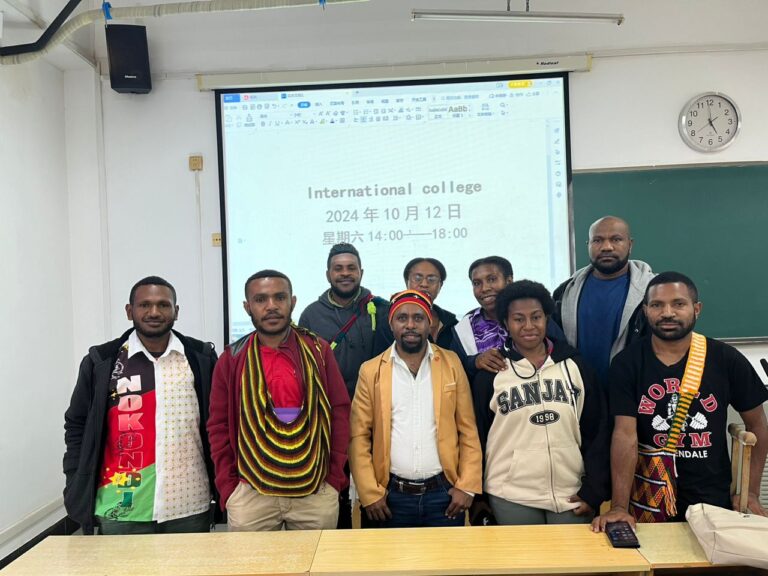
TEN students from Unggai-Bena District i Eastern Highlands Province are settling well at China’s Three Gorges University.

The students departed PNG shores at the beginning of this month and will undertake various Undergraduate programs at the University.

This program to pursue education abroad is fully funded by the Unggai Bena District Development Authority.

Costing about K388,000, the district commits to give young Papua New Guineans the opportunity of exposure to study overseas and experience different cultures.

The crop of students included in this program are recent Grade 12 graduates and who met the entry requirements of University.

The District aims to send a maximum of 200 students by 2025 to study abroad.

Director of the Unggai-Bena District Education Scholarship, Dr Jethro Messimato expressed gratitude toward the local MP and Minister for Higher Education, Research Science and Technology, Kinoka Feo for the support.

“Our aim is to provide our young people with exposure and opportunities they may not easily access locally,” Messimato said.

“We facilitate the process by helping students identify scholarships, apply to universities and secure placements based on their academic achievements.”

The District also has a Memorandum of Understanding with India’s Parul University with a similar number of students expected to depart soon under this agreement.

In his efforts to ensure that every citizen has access to quality education, Prime Minister James Marape, encouraged and directed the education ministries to focus not only on public schools, but also on private education providers.

He said with the growing population and increasing demand for education, there is a huge potential for private education providers to thrive in our country.

“By giving attention to these institutions, the government can facilitate their growth and provide more opportunities for students to receive a well-rounded education.

Marape said he recognizes the importance of education for the progress of Papua New Guinea and adds that his emphasis on private education providers demonstrates his commitment to creating a strong and diverse education system for all.

On a related note, PM James Marape also said he would like to ease the financial burden of parents who send their children to private schools.

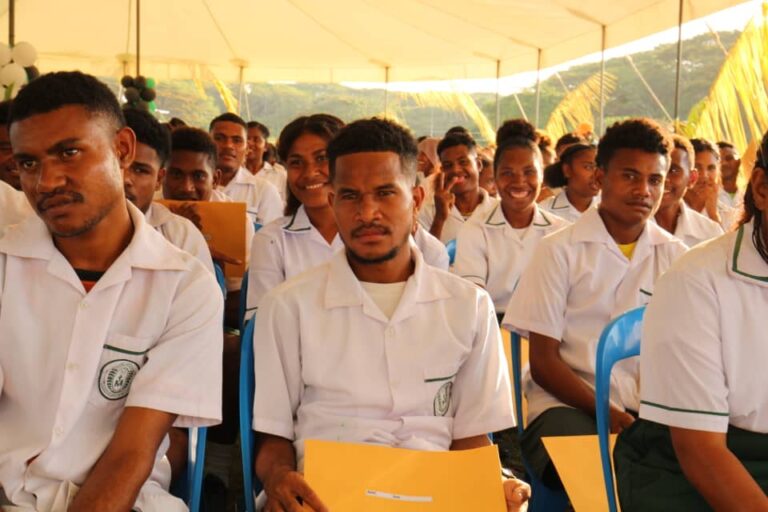
Mainohana Technical Secondary School in Bereina, Kairuku District of Central Province, celebrated it’s 70th Grade 10 graduation ceremony on Wednesday (2 October).

A total of 153 Grade 10 students graduated alongside 87 Grade 12 students.

It’s the 20th Graduation for the Grade 12’s.

Mainohana is a Catholic agency school established in 1958 by the De La Salle Brothers.

Mainohana Technical Secondary School is now a level nine school that services people in the Kairuku, Goilala and the Gulf Province.

With the theme “Valuing Your Education as Agents of Change with Faith and Love”, school Principal Nicholas Maino told the graduating students to always value themselves.

“There is always a good future out there for you, if you make a change, if you believe in yourself, if you have self-determination, if you value your education, if you value yourself and your life and you have trust and confidence in yourself.

“You will have a bright future,” Maino said.

He said with a teaching capacity of 27 teachers this year, the school ensured it provided the space to inspire students, both spiritually and physically to value knowledge and skills that will support them as foundations to challenge them to be successful.

Outgoing Head-Girl, Rachael Ume acknowledged all the teachers, staff, family and the community’s contributions to their education.

“High School for the most of us was more than just classes and grades, it was about finding our voices, pushing our boundaries and sometimes just figuring out how to open our books. It was in this arena that we laughed, we struggled and we grew.”

Former Mainohana High School student and current MP, Peter Isoaimo who has always been supportive to the school since taking office shared his experience on how difficult it was when he attended the school in 1982 to 1985.

“Many of the infrastructure you enjoy today, were built on our hands. We were taught the hard way to learn discipline and virtues of honesty.”

He told both the grades 10 and 12s that this graduation isn’t the end of education, as learning should continue where-ever they are.

“To achieve your goals, is mere perseverance and hard work. Nothing is easy! God will grant your hard work! There is no free life for anybody.”

Mainohana Technical Secondary School this year enrolled 583 students. 538 of them were boarding .

The Samarai-Murua District Development Authority is the 3rd DDA to sign an agreement with Mama Bank to facilitate all payments of its tertiary assistance program.

The arrangement is to ensure tertiary fees for students sponsored by the districts are paid on time so it does not affect their studies.

Samarai-Murua District this year has allocated K1.7 million for school fee assistance.

MP Isi Henry Leonard said while waiting for the DSIP funding to be processed, the bank will assist to pay for all Samarai-Murua students attending tertiary institutions throughout the country and abroad.

Once the DSIP component of that funding is made available, the DDA will release it directly to the bank to reimburse the funds.

Both the bank and the DDA clarified that this is not a loan.

This arrangement is part of plans to establish a Mama Bank branch in the district.

Two other DDA’s that have signed similar agreements with the Mama

bank are Kerowagi District in the Simbu Province and Rigo District in Central.

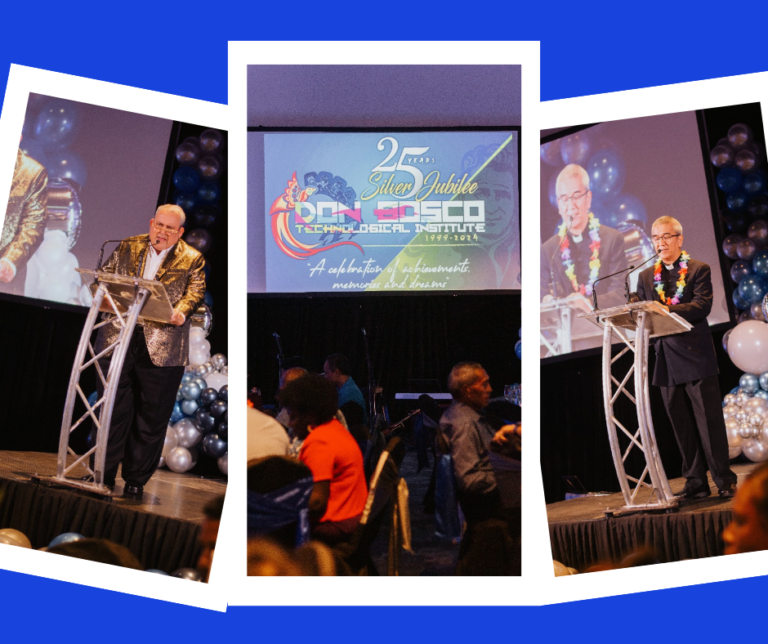
After 25 fruitful years of educating young Papua New Guineans from around the country alongside the teaching of Christian values and teachings, the Don Bosco Technological Institute or DBTI this year celebrates its 25th Silver Jubilee with a number of events to commemorate this milestone in the history of the institution.

On the 11th of May, the APEC haus in Port Moresby was graced with the presence of stakeholders, sponsors, past-pupils, donors, members of the Catholic clergy, family and friends who were present for the 25th Silver Jubilee Fundraising Dinner.

 The event was to celebrate and sustain the achievement of DBTI in reaching 25 years, yet to also maintain partnership with stakeholders towards the advancing in development of the institution in playing a key role in educating young men and women to become “good Christians and honest citizens” as St. John Bosco intended.

 As part of DBTI’s contribution to nation building despite the grim reality surrounding the quality of education in the country, the providing of quality education towards the betterment of the country has always been at the forefront of DBTI’s teaching objectives.

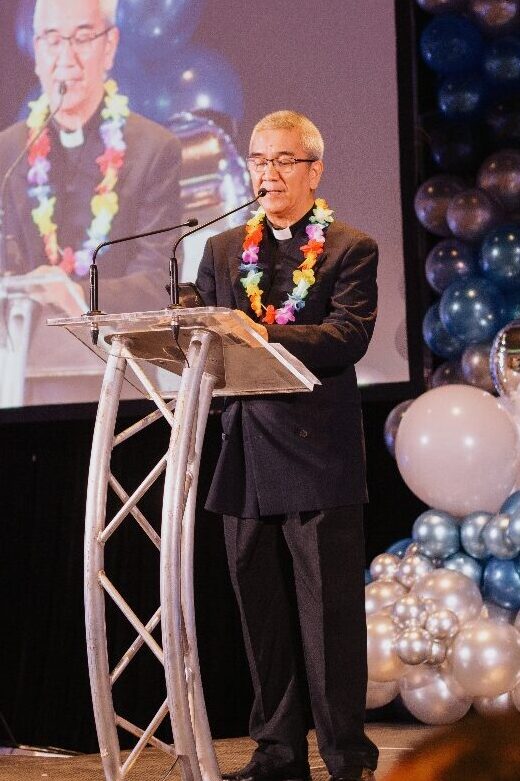
Such was the sentiment shared by the President of DBTI, Fr. Ariel Macatangay SBD during his speech to mark the welcome note of the event.

President of DBTI, Fr. Ariel Macatangay SBD, standing on stage delivering a speech.
Fr. Ariel Macatangay SBD, President of DBTI delivering his speech.

“Besides DBTI’s potential in being a partner for technological training, DBTI can also be your partner in boosting the education in Papua New Guinea.

In its May 2024 Papua New Guinea Economic Update entitled “Invest in Your Children,” the World Bank paints a dim picture of the education crisis in PNG and “focuses on the urgent need for more and better investment in education to address a human capital crisis in PNG.”  

With a total of 21 technological programs offered at the institute, this was a key statement and was emphasized on depicting the belief in ensuring that the young citizens of the nation are to possess healthy minds, God-fearing hearts, and skilled hands in order to be contributing and productive members of the community.

The same was noted and emphasized by the Guest Speaker and the Member for Moresby South, Justin Tkatchenko.

“The Catholic church has done a lot towards the educating of young Papua New Guineans”, he said.

“The takeaway from this event is that we can all achieve so much through effort and partnership for the nurturing and excelling of our young people”, he further added in regards to the importance in the benefits of working together to ensure that young women and men have access to quality education they deserve.

Tkatchenko has been a supporter towards the upgrading and development of educational institutions within his electorate.

Further complimentary remarks to mark the celebration of DBTI’s Silver Jubilee were shared and cemented by alumnus, Godrey Morisa, the Managing Director of GMT Automation who elaborated on the importance of institutions such as DBTI that has given many past pupils as himself, the opportunity to have access to quality education and achieve dreams and goals they had set forth in life.

DBTI was established in 1999, with its first batch of 75 young men as pioneer students and further opened its doors in 2001 accepted its first female students to be part of the educative community.

The institute has over a total of 800 students in 21 different technological programs.

Pin It