Category

News

Category

PHOTO FILE – The sun rises over fishing boats in the Atlantic Ocean, Sept. 8, 2022, off of Kennebunkport, Maine. The United Nations body that regulates the world’s ocean floor is preparing to resume negotiations in July 2023, that could open the international seabed for mining, including for materials vital for the green energy transition. (AP Photo/Robert F. Bukaty, File)

By VICTORIA MILKO Associated Press

JAKARTA, Indonesia (AP) — The International Seabed Authority — the United Nations body that regulates the world’s ocean floor — is preparing to resume negotiations that could open the international seabed for mining, including for materials critical for the green energy transition.

Years long negotiations are reaching a critical point where the authority will soon need to begin accepting mining permit applications, adding to worries over the potential impacts on sparsely researched marine ecosystems and habitats of the deep sea.

Here’s a look at what deep sea mining is, why some companies and countries are applying for permits to carry it out and why environmental activists are raising concerns.

WHAT IS DEEP SEA MINING?
Deep sea mining involves removing mineral deposits and metals from the ocean’s seabed. There are three types of such mining: taking deposit-rich polymetallic nodules off the ocean floor, mining massive seafloor sulphide deposits and stripping cobalt crusts from rock.

These nodules, deposits and crusts contain materials, such as nickel, rare earths, cobalt and more, that are needed for batteries and other materials used in tapping renewable energy and also for everyday technology like cellphones and computers.

Engineering and technology used for deep sea mining are still evolving. Some companies are looking to vacuum materials from seafloor using massive pumps. Others are developing artificial intelligence-based technology that would teach deep sea robots how to pluck nodules from the floor. Some are looking to use advanced machines that could mine materials off side of huge underwater mountains and volcanoes.

Companies and governments view these as strategically important resources that will be needed as onshore reserves are depleted and demand continues to rise.

HOW IS DEEP SEA MINING REGULATED NOW?
Countries manage their own maritime territory and exclusive economic zones, while the high seas and the international ocean floor are governed by the United Nations Convention on the Law of the Seas. It is considered to apply to states regardless of whether or not they have signed or ratified it. Under the treaty, the seabed and its mineral resources are considered the “common heritage of mankind” that must be managed in a way that protects the interests of humanity through the sharing of economic benefits, support for marine scientific research, and protecting marine environments.

Mining companies interested in deep sea exploitation are partnering with countries to help them get exploration licenses.

More than 30 exploration licenses have been issued so far, with activity mostly focused in an area called the Clarion-Clipperton Fracture Zone, which spans 1.7 million square miles (4.5 million square kilometers) between Hawaii and Mexico.

WHY IS THERE PRESSURE ON THE ISA TO ESTABLISH REGULATIONS NOW?
In 2021 the Pacific island nation of Nauru — in partnership with mining company Nauru Ocean Resources Inc., a wholly-owned subsidiary of Canada-based The Metals Company — applied to the ISA to exploit minerals in a specified deep sea area.

That triggered a clause of the U.N. treaty that requires the ISA to complete regulations governing deep sea exploitation by July 2023. If no regulations are finalized, Nauru can submit an application to conduct the mining without any governing regulations.

Other countries and private companies can start applying for provisional licenses if the U.N. body fails to approve a set of rules and regulations by July 9. Experts say its unlike it will since the process will likely take several years.

WHAT ARE THE ENVIRONMENTAL CONCERNS?
Only a small part of the deep seabed has been explored and conservationists worry that ecosystems will be damaged by mining, especially without any environmental protocols.

Damage from mining can include noise, vibration and light pollution, as well as possible leaks and spills of fuels and other chemicals used in the mining process.

Sediment plumes from the some mining processes are a major concern. Once valuable materials are taken extracted, slurry sediment plumes are sometimes pumped back into the sea. That can harm filter feeding species like corals and sponges, and could smother or otherwise interfere with some creatures.

The full extent of implications for deep sea ecosystems is unclear, but scientists have warned that biodiversity loss is inevitable and potentially irreversible.

“We’re constantly finding new stuff and it’s a little bit premature to start mining the deep sea when we don’t really understand the biology, the environments, the ecosystems or anything else,” said Christopher Kelley, a biologist with research expertise in deep sea ecology.

WHAT’S NEXT?
The ISA’s Legal and Technical Commission, which oversees the development of deep sea mining regulations, will meet in early July to discuss the yet-to-be mining code draft.

The earliest that mining under ISA regulations could begin is 2026. Applications for mining must be considered and environmental impact assessments need to be carried out.

In the meantime, some companies — such as Google, Samsung, BMW and others — have backed the World Wildlife Fund’s call to pledge to avoid using minerals that have been mined from the planet’s oceans. More than a dozen countries—including France, Germany and several Pacific Island nations— have officially called for a ban, pause or moratorium on deep sea mining at least until environmental safeguards are in place, although it’s unclear how many other countries support such mining. Other countries, such as Norway, are proposing opening their waters to mining.


Associated Press climate and environmental coverage receives support from several private foundations.

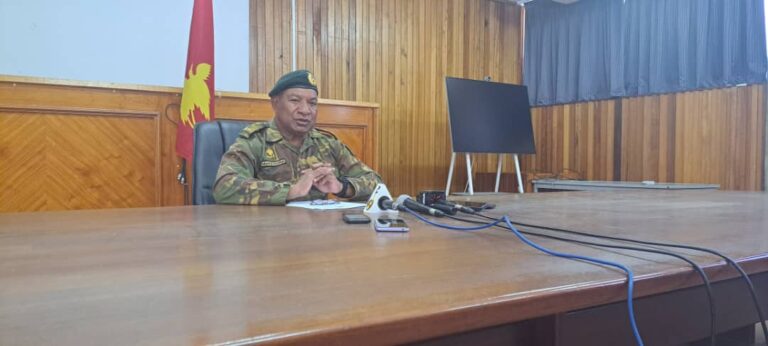
PORT MORESBY, Papua New Guinea – At the request of the government of Papua New Guinea, Task Force Koa Moana returns to PNG again. Task Force Koa Moana 23, comprised of U.S. Marines and Sailors from I Marine Expeditionary Force, have deployed to Papua New Guinea to support PNG’s stability, security, and prosperity.

Their goal is to strengthen relationships with Papua New Guinea through a bilateral and multilateral security cooperation exercise that runs from June until September. The exercise includes capacity training and infrastructure improvement projects. Koa Moana is an ongoing partnership that began in 2016.

Task Force Koa Moana 23 is comprised of approximately 200 U.S. Marines and Sailors from 1st Marine Division, 1st Marine Logistics Group and I MEF Information Group who will organize into multiple detachments. These detachments will conduct subject matter expert exchanges throughout Papua New Guinea at the request of the government of Papua New Guinea.

The task force established a mutual agreement with Papua New Guinea to provide expertise in engineering, medical care, infrastructure development and community engagements.

Named “Koa Moana,” a Hawai’ian phrase meaning “ocean warrior,” the task force is designed to strengthen relationships between the U.S. and Papua New Guinea, enhance cooperation with PNG security establishments, and support national sovereignty of across the Oceania region.

The Federated States of Micronesia and the Republic of Palau also requested to participate in Task Force Koa Moana as well.

The PNG Media space is now well dominated by women elevated to higher positions.

While that is acknowledged by many as a way forward for breaking gender barriers and stereotypes, challenges still remain both at the helm and those that report to them.

Challenges not only at work place but at home.

Realizing this, the PNG Media Council in collaboration with ABC’s Media Development Initiative is conducting consultative forums for women in the media in Papua New Guinea to see if there is a possibility of starting a Women in Media Association.

The most recent forum was held in Madang Province.

PNG Media Council Secretary, Belinda Kora said the concept will be similar to Fiji’s Women in Media Association which not only tries to address challenges faced by women in the industry but also build capacity to allow them to excel.

The first consultation was held in Lae, Morobe Province, and the 2nd one in Port Moresby.

All three consultation received overwhelming support from the participants with many saying the concept is long overdue.

Kumul Petroleum Holdings Limited has partnered with the Ihu Special Economic Zone to help provide its Energy Solutions.

A memorandum of agreement was signed between the Ihu Special Economic Zone Development Company and KPHL recently in Port Moresby.

The Ihu Special Economic Zone was established in the year 2020, in the Kikori District of Gulf Province, designated for downstream processing.

Earlier this year, an agreement was signed between the Ministry of International Trade and Investment and KPHL, which allows KPHL to provide Energy Solutions for SEZs.

International Trade and Investment Minister Richard Maru said SEZs will not be viable unless they have access to affordable electricity.

He said this signing is a start of a new beginning.

“We don’t give SEZ licence unless you meet all the requirements. You must have Roads, Power, Wharf, Airports and Investors” Maru said.

According to Kikori MP Soroi Eoe, there are ongoing discussions with the department of Works and Highways to build a new road in the district.

“Power is a very important requirement, and there are plans to improve the airport,” Eoe said.

Kikori MP Soroi Eoe.

KPHL Managing Director Wapu Sonk said, KPHL is happy to collaborate with the Ihu SEZ Development Company to carry out feasibility studies on possible power generation solutions.

Managing Director for KPHL Wapu Sonk.

“We will look at the most appropriate power solutions for the Ihu SEZ, which could include renewable sources such as Hydro.” The Managing Director said.

Following this agreement, KPHL will carry out feasibility studies on potential sources of the generation of power, and make recommendations on those that are commercially viable. The Managing Director said, It will be the responsibility of the SEZ development company, Landowner, LLG and Gulf provincial government, and the Ministry of International Trade and Investment, to progress in the recommended options.

Related stories:

https://insidepng.com/sez-summit-a-success/
https://insidepng.com/all-set-to-host-the-sez-summit/

A United Church Bishop from Hela province has called on the government and police commissioner to employ more police personnel in Hela to increase police man power in the province.

United Church Pioneer Bishop and Deputy Chair of Hela Council of Churches, Reverend Wai Tege, in an interview with Inside PNG, said there is a need for more police resources and man power to help address lawlessness in the province.

United Church Pioneer Bishop and Deputy Chair of Hela Council of Churches Reverend Wai Tege.

“The are less then 60 policemen stationed in Tari, but they cannot do anything. We need more policemen.” The Bishop said.

The Law and Order issues in Hela province has been an ongoing issue for over 10 years, and the recent Kidnapping at Mt Bosavi has posed a threat to the people, especially women and girls, including public servants in the province.

According to Reverend Tege, a survey carried out by the United Church in Hela shows that the lawlessness in Hela, are mainly caused by unemployed youths between the age of 15 to 27.

“Most of these youths come from polygamous family background with no support from family, therefore they turn to the life of crime and violence.” The Reverend said.

Reverend Tege said the idea of State of Emergencies (SOEs) being declared by the government over the years, have been nothing but a waste of resources and government funding.

He said the solution is to boost police manpower, by employing more police personnel to be stationed permanently in the province.

This will help increase police presence and visibility in the province.

“We have more unemployed youths and school leavers in the country. Employ the school leavers so they can be stationed in Hela, to help address Law and Order Issue.” Reverend Tege said.

by Martha Louis (Inside PNG)

The Pacific Leatherback turtle, an awe-inspiring species, now faces critical endangerment due to numerous factors, including industrial fishing, nestling and egg harvesting, and water pollution. Despite these challenges, leatherback turtles hold immense cultural significance for indigenous communities in Papua New Guinea.

Villages such as Karkum, Tokain in Sumkar, and Mur, Yamai, and Male in the Raicoast region of Madang Province, have a rich heritage of legends, songs, dances, and rituals associated with sea turtles. These communities have a profound connection with these gentle giants, reflecting their historical ties and traditional practices.

Indigenous lore celebrates the leatherback turtle’s influence, evident in traditions like the Dalal song, which imitates the turtles’ movements during nesting, symbolizing the deep bond between the communities and these majestic creatures. For instance, the Dawang clan of Mur traces its origins to the sacred leatherback turtle, believing they can catch and utilize them as food or currency through sacred rituals. Karkum’s Legend, a captivating tale of transformation, highlights the cultural significance of leatherback turtles by narrating the tale of a woman who morphs into a turtle and embarks on a journey of resilience.

The population of Pacific Leatherback turtles has dramatically declined by over 90% in just two decades, primarily due to industrial fishing, nestling harvesting, water pollution, and plastic accumulation in the ocean.

Additional factors, including chemical use in agriculture, accidental entanglement in fishing gear, and predation by dogs and feral pigs, have contributed to the irreversible decline of other nesting species like green turtles, hawksbill, and loggerhead varieties.

Preservation efforts should focus on safeguarding the areas where leatherbacks nest, forage, and migrate.

Papua New Guinea’s Huon coast, near the industrial city of Lae in Morobe province, along with sporadic sites in Madang and islands such as New Britain and Bougainville, have been identified as critical nesting sites. To prevent leatherback turtles from the brink of extinction, it is crucial to recognize their vital role in the lives and traditions of indigenous communities and work collectively to ensure their conservation.

The Sea Turtles Restoration Project: Wenceslaus Magun, an ardent advocate for environmental protection in the Western Pacific, has dedicated his life to educating Papua New Guineans, particularly in Madang and across the country, about preserving endangered species like the leatherback turtle.

Collaborating with the Turtle Island Restoration Network, Magun has spearheaded the Sea Turtles Restoration Project in Karkum village. This project aims to protect endangered sea turtles, preserve cultural heritage, safeguard marine habitats, ecosystems, and biodiversity, restore food sources, stimulate alternative economic opportunities, and promote integral human development.

The primary objective of the Sea Turtles Restoration Project is to create a conducive environment for marine and near-shore resource management plans through the participation of the resource owners.

By empowering indigenous communities in Papua New Guinea, the project aims to preserve their environment, benefitting both the endangered species like leatherback turtles and the people who rely on them for sustenance. Recognizing the importance of preserving cultural practices, the project seeks sustainable solutions that harmonize community needs with environmental protection.

Through the Sea Turtles Restoration Project, Magun and his team strive to raise awareness about preserving endangered species and their habitats while fostering alternative sources of income for local communities.

Group photo with large leatherback turtle.
Group posing with large leatherback turtle. (Picture courtesy of Wenceslaus Magun)

By adopting a holistic approach to conservation, the project aims to create a sustainable future, empowering communities in Papua New Guinea to take charge of their environmental welfare.

To ensure the project’s long-term success, Mr. Magun collaborated with the Turtle Island Restoration Network to establish the local NGO, Mas Kagin Tapani (MAKATA) association, which sustains the Sea Turtle Restoration Project.

On November 17, 2008, three representatives from each of the four clans in Karkum village signed a conservation deed, granting them greater control and power over their resources. The deed preserves customary practices and enables the villagers to become direct custodians and stewards of their resources. This landmark event empowers them to assert their customary rights, respond to threats, assist in land and sea management, identify crucial protection areas, and preserve and safeguard their traditional knowledge.

Protecting the leatherback turtles of Papua New Guinea requires a concerted effort to balance environmental conservation with the cultural significance bestowed upon these majestic creatures. By acknowledging the integral role of leatherback turtles in the lives and traditions of indigenous communities, we can work together to ensure their preservation. Through initiatives like the Sea Turtles Restoration Project and the dedication of advocates like Wenceslaus Magun, Papua New Guineans are striving to create a sustainable future that respects both their cultural heritage and the delicate ecosystems that support these endangered species.

***

Reporting for this story was supported by Internews’ Earth Journalism Network

Nestled in the heart of Goroka in Eastern Highlands Province is the Research and Conservation Foundation (RCF). It was established in 1986 first as a facility to manage the Crater Mountain Wildlife area, the second largest conservation area in PNG bordering Eastern Highlands, Chimbu and Gulf provinces. It is second to the Tonda Wildlife Management Area in Western province.

The Crater Wildlife Management Area was created in 1992 and through donor funding, the operations of RCF was moved to Goroka from Port Moresby. Enabling work to progress with locals especially those interested in conservation work.

An RCF officer holding a rare Bird of Paradise Species, one of many found in the Crater Mountains Conservation Area.

For over 20 years the Foundation has been collaborating with educational institutions providing learning and research aimed at protecting unique species such as the Bird of Paradise as well as several species of mammals and birds in the Crater Mountain Wildlife area.

Research and Conservation Foundation currently has two main programs, the National Resources Management Program and the Conservation Education Program. 

RCF’s passionate environment educator is Dr Sangion Tiu.  As a secondary school teacher back in 2000, she joined RCF to help set up the Resource Centre and create educational programs. Dr Tiu is the Director of RCF together with a dedicated team of 20 staff they manage the day-to-day affairs of the organization. As an NGO, Research Conservation Foundation relies on donor funding however it also has a guest house and conference facilities to help sustain its operations.  Local and international scientists as well as tourists are regular visitors where information on PNG’s biodiversity can be sourced.
RCF Director Doctor Sangion Tiu at work in her office.

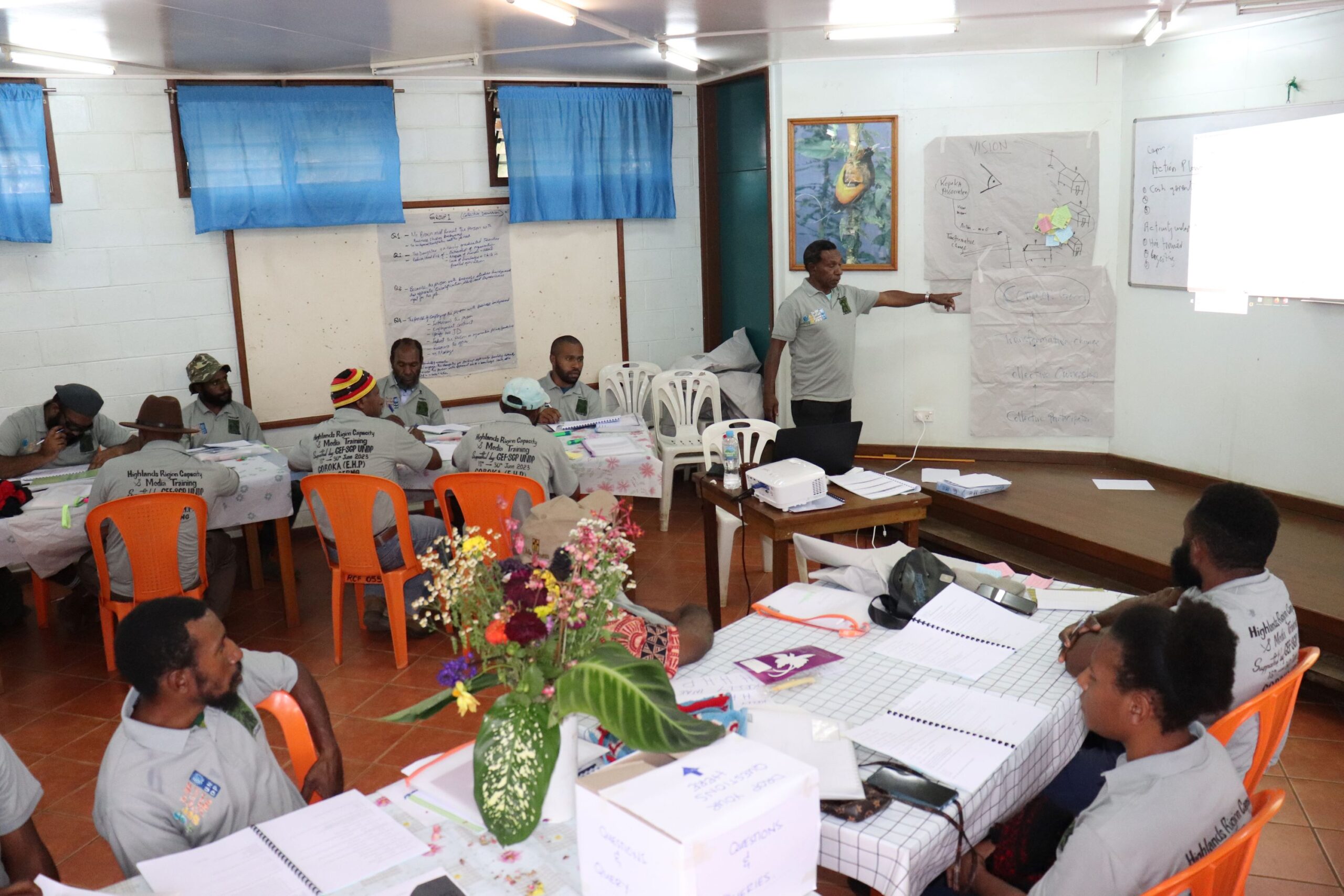
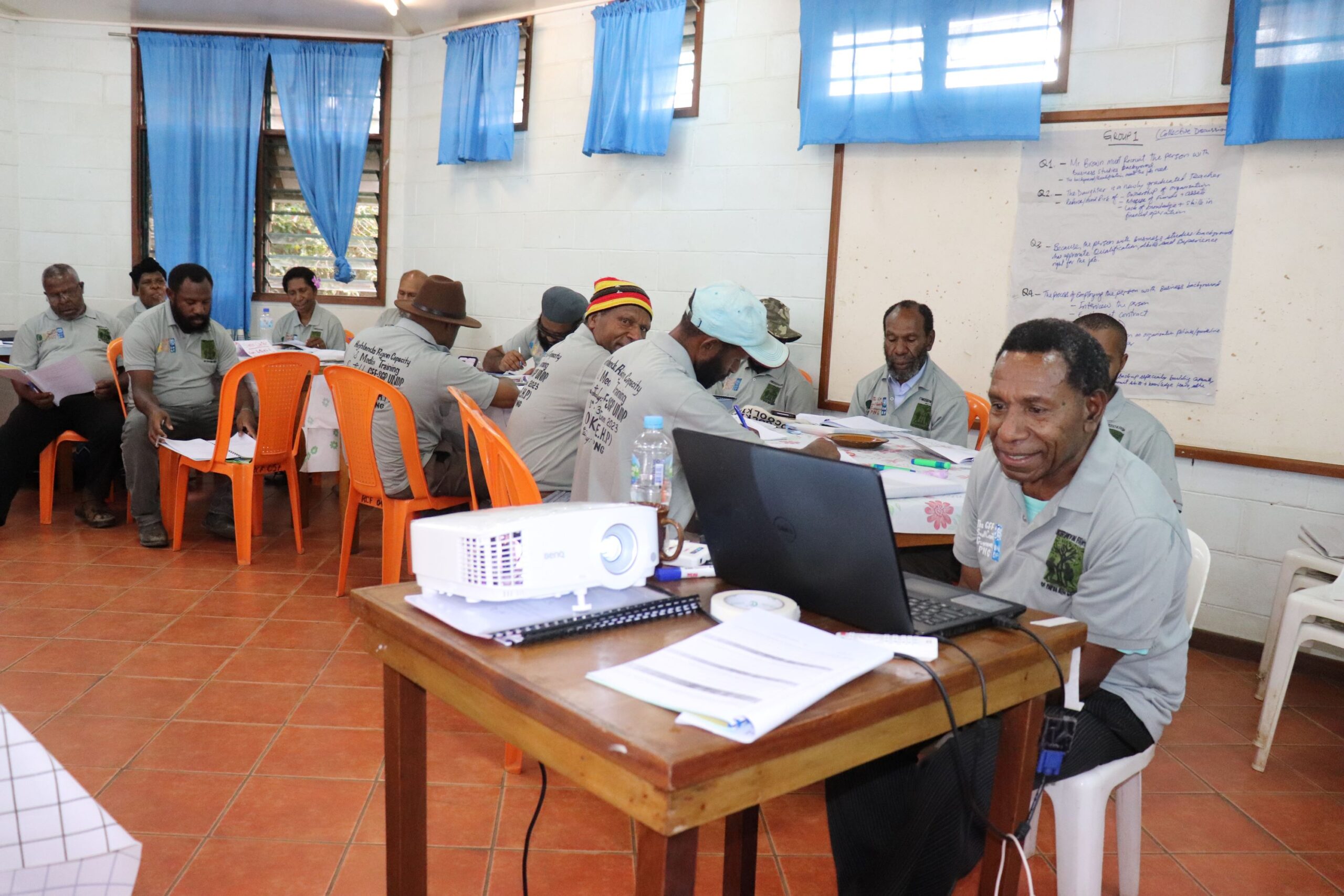
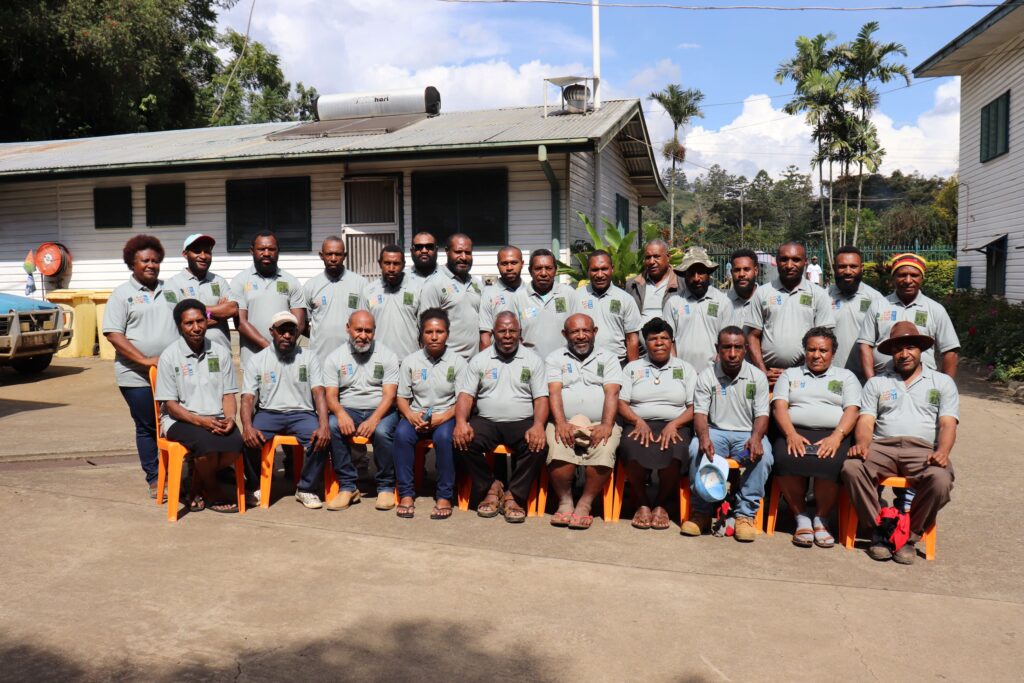
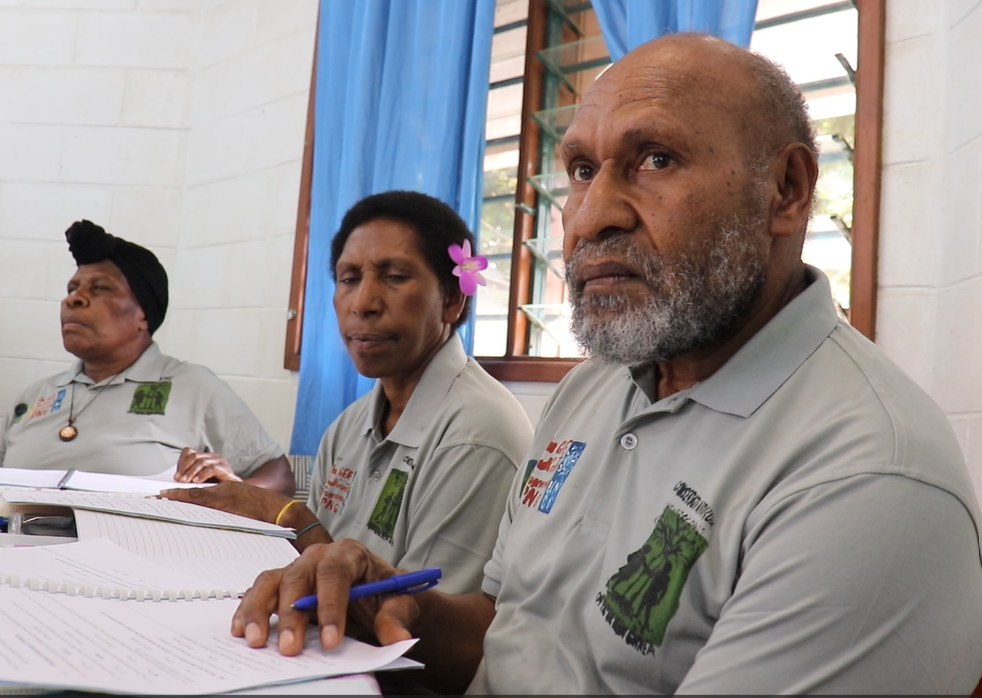
In partnership with Balob Teachers College, Simbu Teachers College and the University of Goroka, RCF is able to take the message of conservation from the field into the classrooms. This week in Goroka, RCF together with Conservation Forum of PNG and the Global Environment Facility Small Grants Program hosted SGP grantees from the Highlands region.  The participants received training on management and leadership, project designing, proposal writing and effective communication strategies.
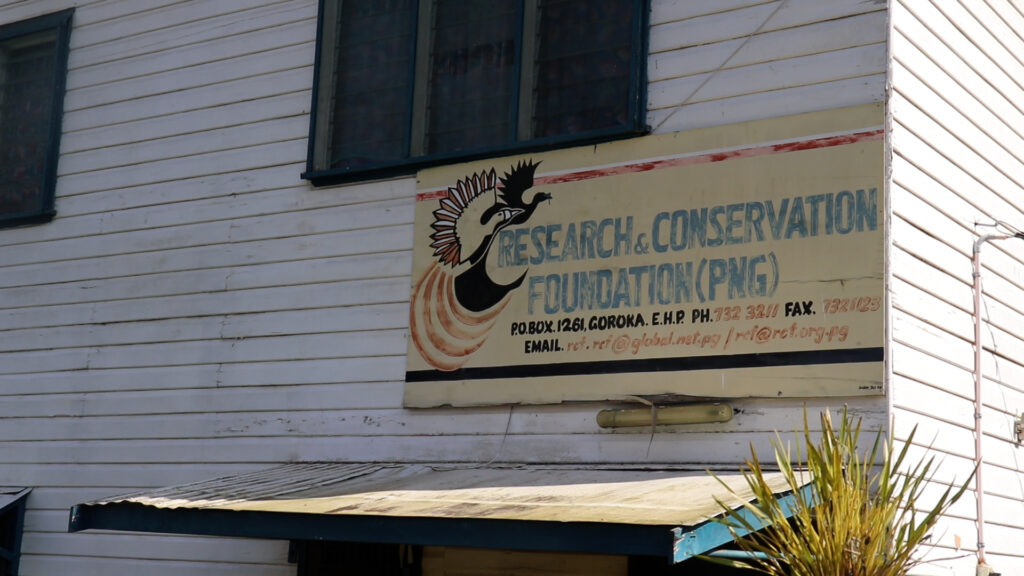

RCF is a current recipient of the Small Grants Program, implementing a project and assessing the effects of climate change on biodiversity in the Crater Mountain Wildlife area.  

Related: https://insidepng.com/transforming-papua-new-guinea-into-a-force-of-nature/

Coca-Cola PNG has rolled out a new program to decrease the amount of plastic waste in and around the environment and encourage the collection and recycling of PET beverage bottles.

The program entails the collection of coke and other soft drink bottles for an incentive.

Tim Solly, the Commercial Director for Coca-Cola Europacific Partners PNG said, as a beverage manufacturer, it is their responsibility to have a long-term commitment to sustainability in regards to packaging.

“Packaging waste is undoubtedly a major challenge, and it’s also a solvable one if we take action”.

This collaborative exercise between CCEP PNG, Coca-Cola PNG and Branis Recycling Limited aims to prevent plastic bottle waste from going into landfill, waterways and the environment in general.

Members of the public will be crucial in contributing to the program by collecting PET plastic beverage bottles and taking them to Branis collection centres at Ahuia Street, Gordons; Spondias Street, Hohola; Movivina Street, Gerehu, Stage 6; Gordons Market and Badili, along Hurbert Murray Highway.

There, the bottles will be weighed and the consumer will be paid one kina per kilo depending on the number of plastic bottles brought in.

To help the recycling exercise of plastic bottles, Coca-Cola PNG has purchased two PET shredders to pre-process the PET bottles into flake, which is a more cost-effective material to ship offshore; prior to this, all PET beverage bottles were baled before being shipped offshore.

The Moresby South District Development Authority in NCD recently presented Seven (7) vehicles to support policing in the district.

The vehicles were purchased by Moresby South District Development Authority in Partnership with NCDC, and will be distributed to various police posts in Moresby South.

These police vehicles will help improve police presence in crime hotspot areas in the district.

Badili Police Station Commander Obert Jerry said there is a need for more police presence in hotspot areas like 2-mile hill, Koki, Kaugere, and Badili.

“We will place our policemen there permanently so that police presence and visibility must be maintained in Moresby South,” Jerry said.

In a growing city like Port Moresby, policing has always been a challenge.

NCD Metropolitan Superintendent Silva Sika said dealing with crime in NCD is tough and difficult, due to limited resources.

He further acknowledged this support to empower policing, and challenged police personnel to be disciplined and look after these resources.

“These assets come from the public purse. It comes with expectations and conditions from the commissioner, divisional commander and the citizens,” The Metropolitan Superintendent said.

Moresby South MP Justin Tkatchenko when presenting the keys to the police, highlighted plans to empower policing in the district.

With Koki being one of the hotspots of petty crimes in the city, a police post will be opened in the area, with police personnel to be stationed there.

The Moresby South MP said, plans are underway for a police post to be built in Taurama.

“Everybody has a role to play, most importantly to make sure our city and Moresby South is safe and sound,” Tkatchenko said.

Together with the vehicles, the police officers were also presented with new police uniforms.

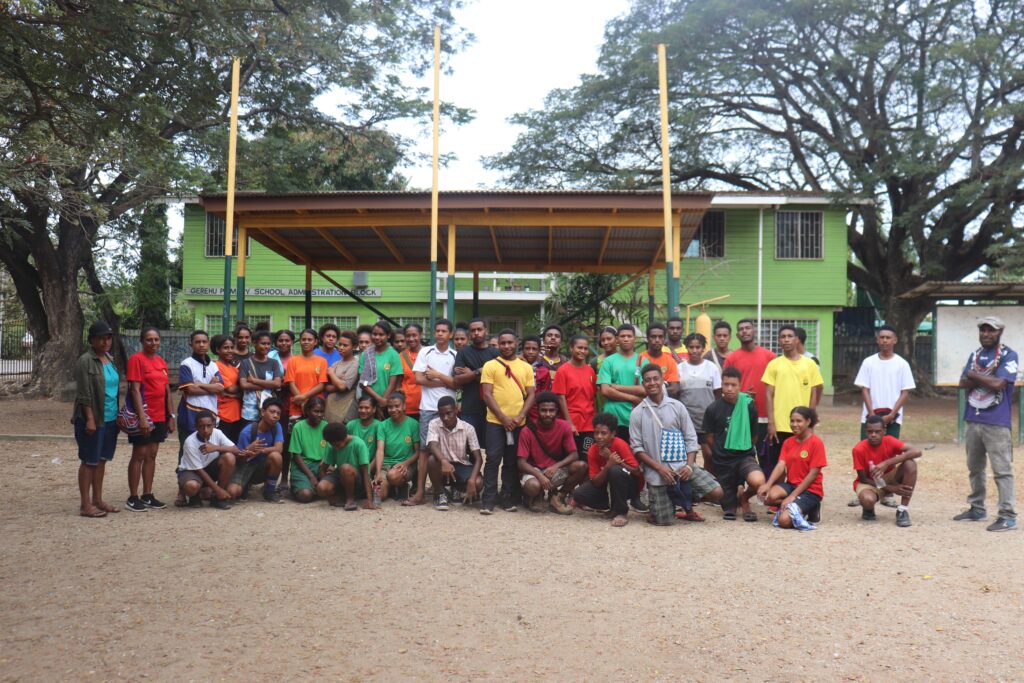
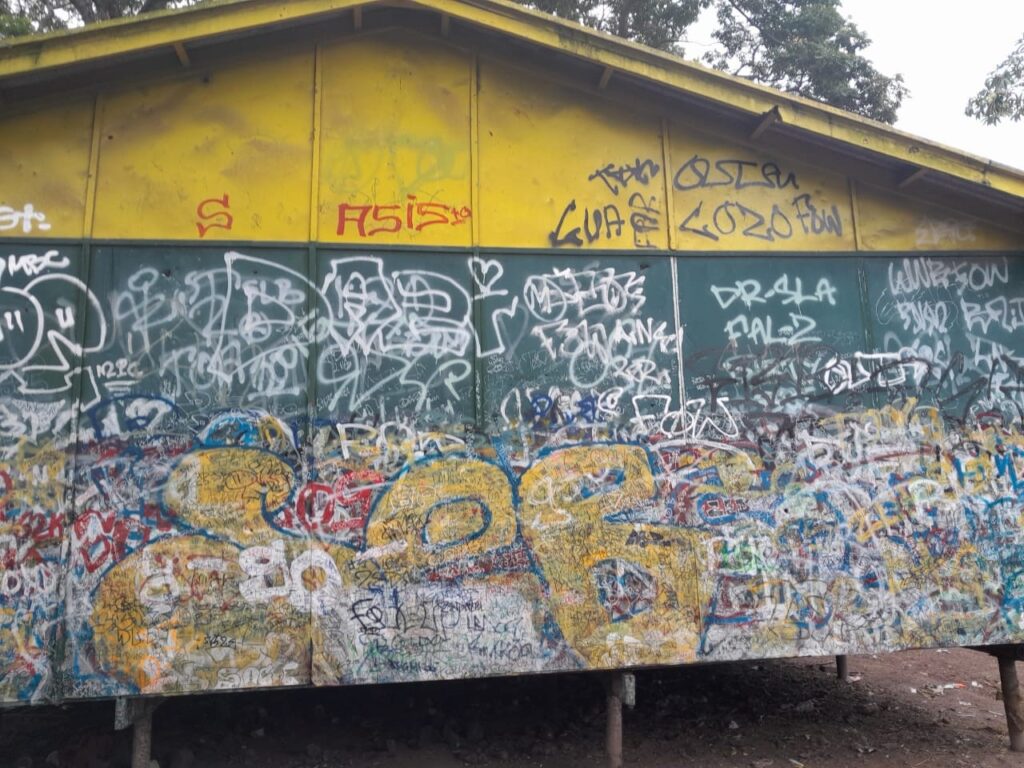
Gerehu Secondary School in Port Moresby is one of the biggest secondary schools in Papua New Guinea with a population of 2,300 students and 69 teachers.

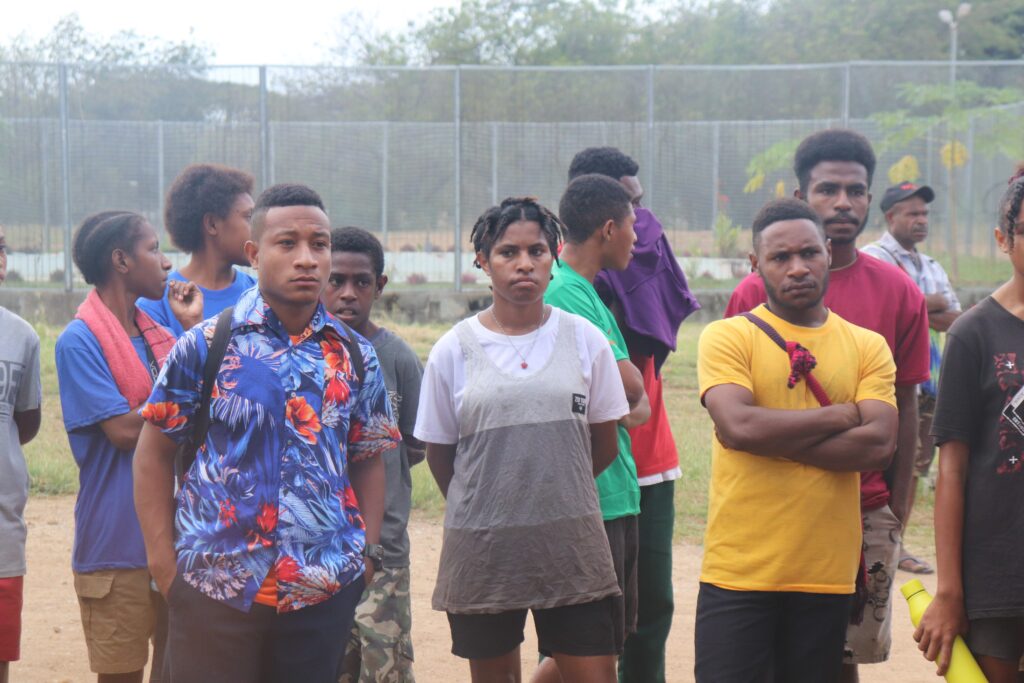
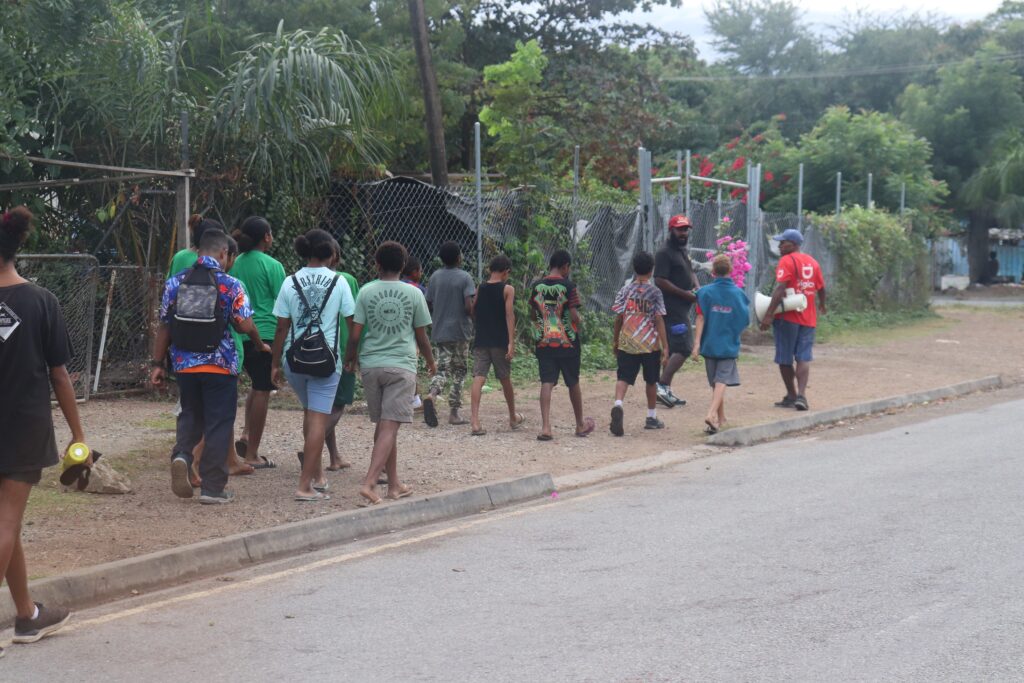
Current students and Alumni of Gerehu Secondary School on Sunday participated in a clean-a-thon, the group picked up rubbish along the outside of the school area.

The school is celebrating its 40th Anniversary this year, from a provincial high school to a secondary school. Gerehu secondary school opened its doors in 1983.

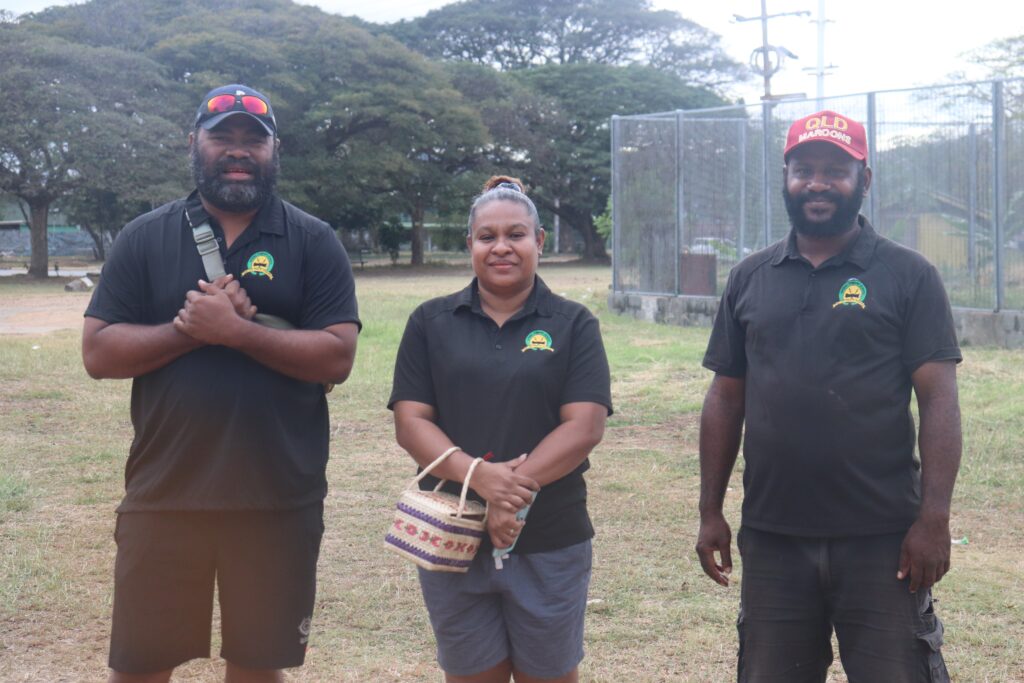
President of the Alumni Association Judith Kila says the partnership with the school is to aid the school in achieving some of its target activities for the 40th anniversary and in the long term help the school complete some of their projects.

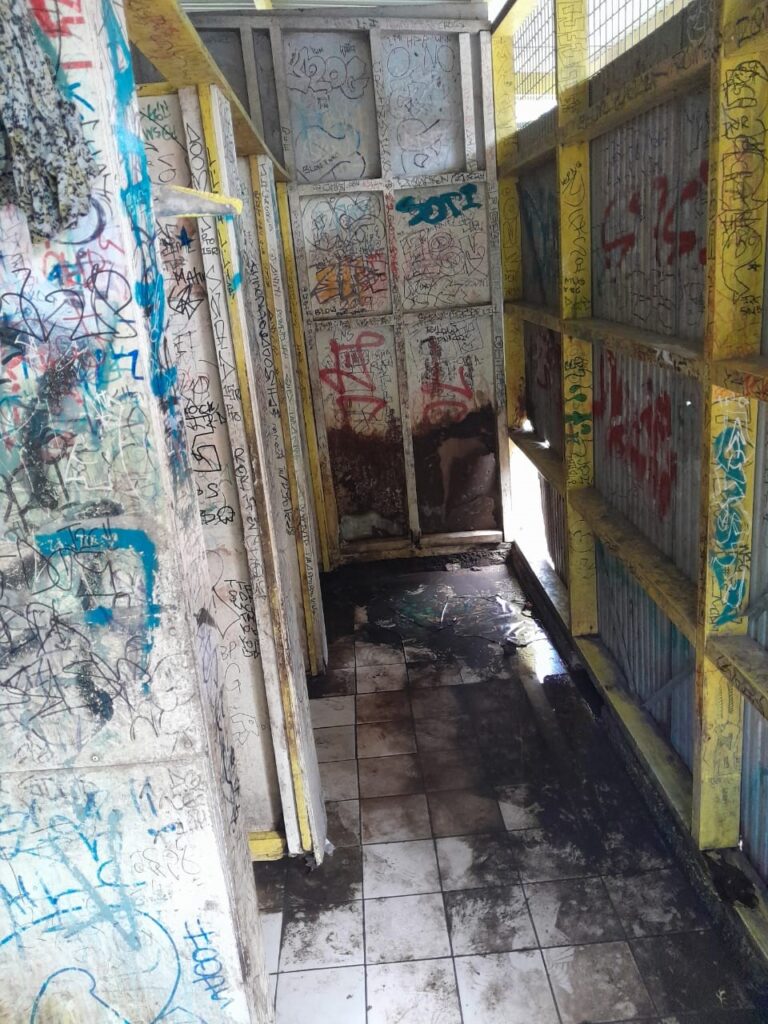
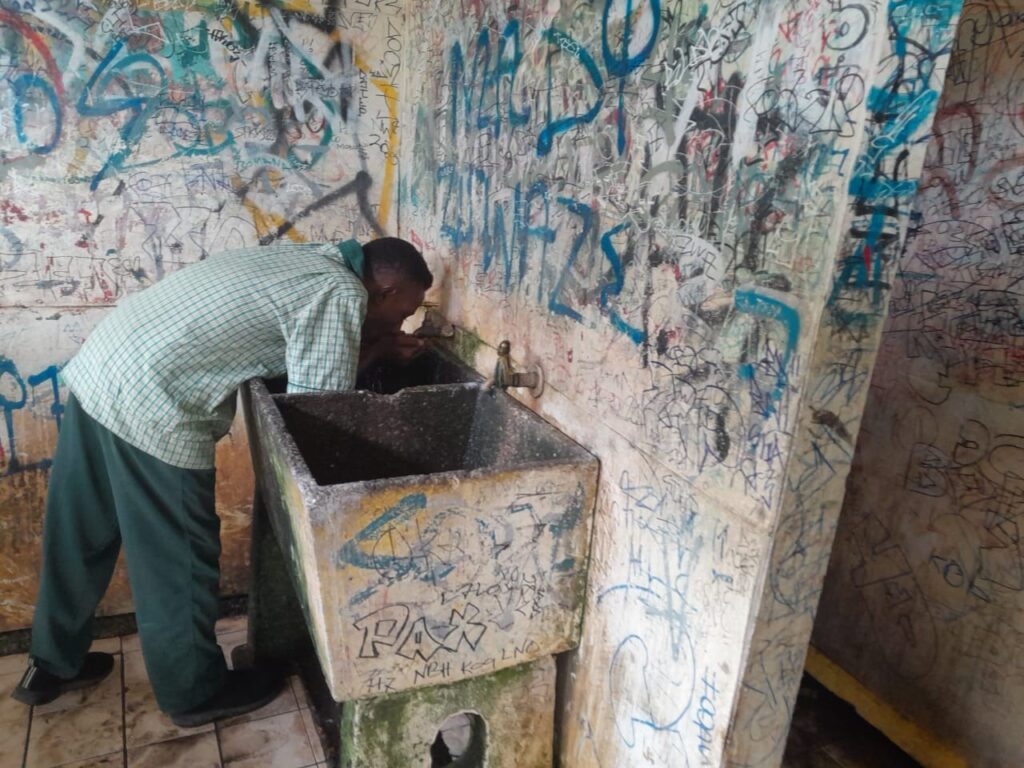
Like most schools in the country, Gerehu Secondary as a Government school faces overcrowding and shortage of resource material that continues to plague the teachers and students alike.

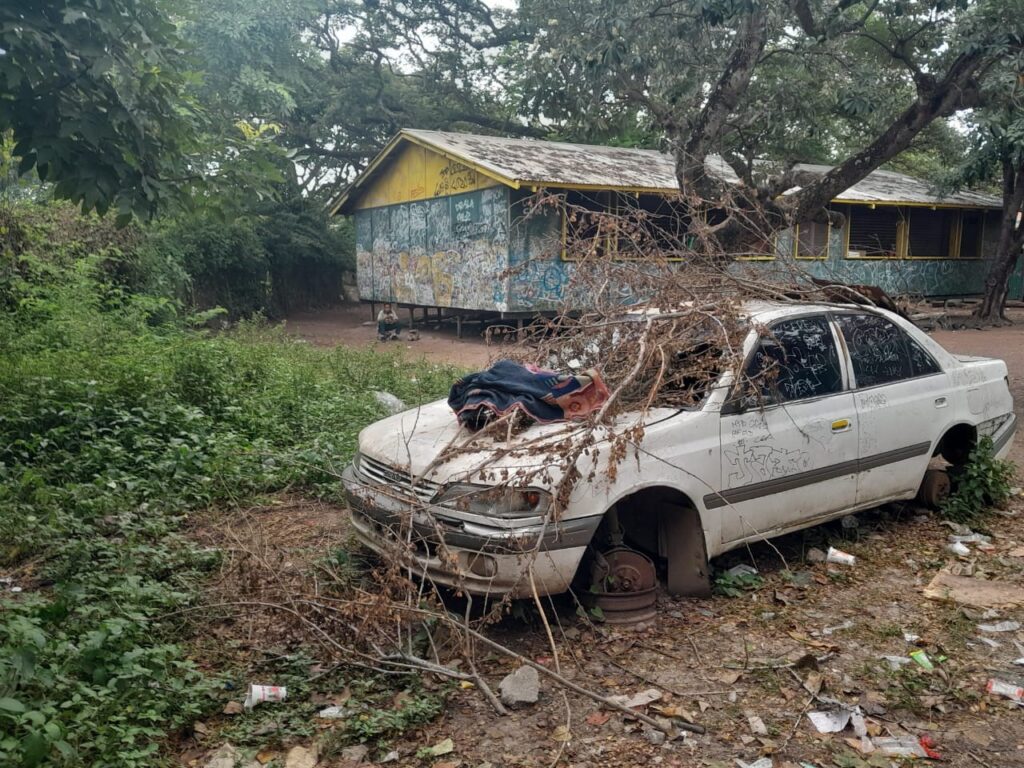
There are a few projects that lead back to 2008 that have been left abandoned, two six in one classrooms have been abandoned and neglected by the Education Department and its sub contractors, also teachers houses have been left incomplete as well.

Deputy Principal Administration of Gerehu Secondary Paul Lolya says they try to cope with the increase of students with the school taking on grades 7 and 8 as part of the new one six six curriculum, the school has been forced to convert its science labs and practical skills rooms to cater for the increase in student numbers.

The school has only benefited from the tuition fee free education policy by the Government through school stationary, comprising of biros and exercise books, the school has not been allocated any money by the Government for new infrastructure projects.

The only way forward is for Public private partnership and the Alumni is spearheading the move, appealing to former students of Gerehu High School and Secondary school to participate in finding solutions to the schools predicament .

Contact with the Alumni of Gerehu Secondary can be made through their facebook page.

Other Gerehu Stories: https://insidepng.com/fire-destroys-guest-house/

Pin It