Archive

December 2025

Browsing

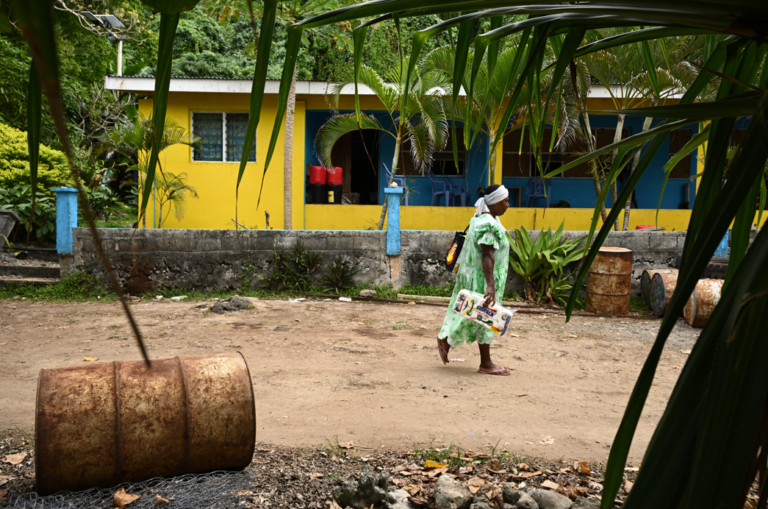
Across the Pacific, rural women are bearing the brunt of a changing climate.

Floods devastating crops, disappearing resources for cultural weaving and economic hardship fuelling gender-based violence, human-driven global warming is taking a toll on women in the region.

Louisa Wall is a First Nations representative and former Aotearoa New Zealand MP who has long advocated for gender equality and human rights.

Funnelling more resources into projects to help Pacific women adapt to climate change is a priority for her as someone who has recently taken on the role of Oceanic Pacific Mobilisation Advisor at the upcoming Women Deliver gender equality conference to be held in Melbourne.

There are already funds available for climate adaptation, such as the recently-installed Pacific Resilience Facility, set up to ensure long-term, community-scale financing for flood-resilient roads and other projects.

But Ms Wall wants more going to women and girls directly.

“You already have a vulnerable population group, which are women and children, and then you add in this existential threat of climate,” she told AAP.

“It exacerbates the ability of women to live healthy, contributing, successful lives, where they have the autonomy to cultivate their own food or to use the raw materials around them to build crafts.”

Ms Wall will join like-minded advocates in pushing the issue ahead of the 2026 United Nations climate talks.

The annual talks are to be held in Turkey but with Australia in a “president of negotiations” role and a pre-COP meeting to be held in the Pacific islands.

Australia and the Pacific were bidding to co-host the conference in Adelaide but pulled out last-minute after a protracted stand-off with Turkey.

Ahead of COP31, Ms Wall will be helping have Pacific women’s voices heard at the flagship gender equality summit to be held in Melbourne in April next year.

Taking place in the Oceania Pacific region for the first time, the forum will provide an opportunity for women to share first-hand experiences of life under a changing climate and showcase female-led adaptation measures already taking place, Ms Wall said.

A common experience across the Pacific is the loss of raw materials used in weaving mats, baskets and other wares, crafts that can have cultural significance and provide a source of income for women.

Food security is another major problem, with crops knocked around by storms, pests and other conditions fuelled by climate change, and fishing stocks depleted by compromised coral reefs and marine habitats.

And, with worsening economic instability from failed crop yields and no goods to sell, the risk of physical and sexual violence is growing.

More competition for resources can prevent children going to school, Ms Wall said, forcing more women into early marriages and perpetuating cycles of inequality.

Ms Wall acknowledged her own privilege as someone spared from the horrors of sea level rise-forced migration and other extreme climate impacts, and stressed the importance of giving rural Pacific women the space to share their own stories.

“It’s incredibly important that women’s voices are part of any discussions related to climate change,” she said.

“The implications actually are about whether or not people can survive.”


Copyright @ AAP 2025
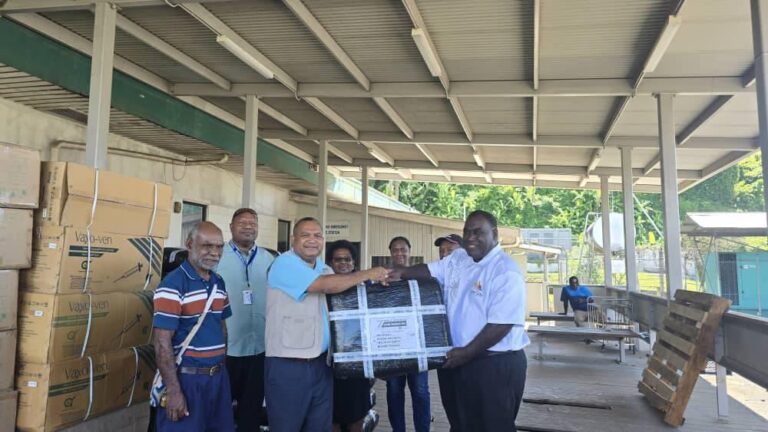
The Angau General Hospital in Lae has received a K200,000 worth of essential medicine supplies this morning from the Lae City Authority (LCA).

Urban clinics in the city also received similar supplies a week ago at a tune of K130 000.

This is an ongoing aid from LCA to Morobe Provincial Health Authority, especially Angau and Lae District clinics, to complement the support from the national government.

Meanwhile, the Morobe Provincial Health Authority is still working on addressing the issue of staff shortage at the Angau Memorial Provincial Hospital’s Emergency and Accident Unit.


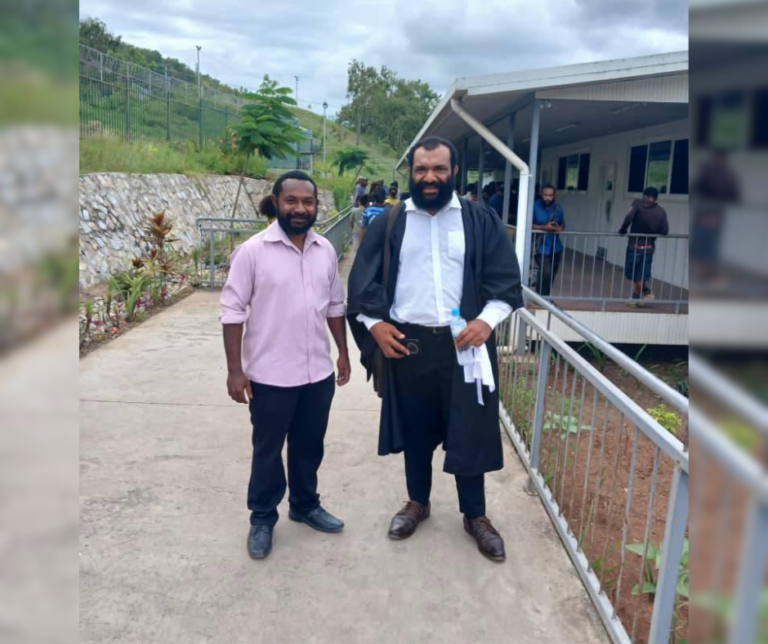
Waigani District Court has struck out a high-profile cybercrime case against Ronald Banipi involving State Enterprises Minister William Duma, citing significant delays in prosecution.

Magistrate Paul Puri Nii struck out the case today following an application by defense counsel Abednego Miori.

The defense argued for the case to be struck out under Section 37(3) of the Constitution, citing the State’s failure to produce a police file or prosecute the matter within a reasonable timeframe.

Counsel Miori noted that since Mr. Banipi’s arrest in October, the case had been subject to five adjournments without progress.

Magistrate Nii concurred with the defense’s submission, ordering the immediate refund of Mr. Banipi’s K5,000 bail.

The charges stemmed from an incident on October 12, 2025, when police apprehended Mr. Banipi in Port Moresby. The arrest followed a formal complaint by Minister William Duma regarding a social media post on Mr. Banipi’s Facebook profile.

The post in question featured a caption written by Banipi accompanying a shared news article from The National’s online page.

Arresting officer, Detective Zina Afuti charged Banipi with one count of Defamatory Publication under Section 21(2) of the Cybercrime Code Act 2016, alleging the post damaged the Minister’s reputation and credibility.

Mr. Banipi was represented pro bono by Mr. Miori, who volunteered his services after the arrest gained significant traction on social media. After spending time in the Boroko Police Station cells, Banipi was released on bail on October 13 and first appeared in the Committal Court on October 27 to maintain his innocence.

Following the court’s decision today, Mr. Banipi and his counsel expressed their gratitude to the public for their support. Mr. Miori described the outcome as a significant precedent for the protection of constitutional rights regarding timely prosecution.


Pacific workers who flock to Australia on temporary visas are too afraid of losing their jobs to fight for better pay and working conditions.

More than 31,000 workers from 10 island nations have signed up for the Pacific Australia Labour Mobility scheme to work across the country in roles employers cannot fill.

Regarded as one of Australia’s flagship development programs for the Pacific, employees fill jobs in industries such as agriculture, meat processing and aged care while also providing workers with desperately needed income to send home.

However, a survey of 370 PALM scheme workers by the Migrant Justice Institute found widespread issues, with many fearing retaliation for speaking up.

The study found more than 64 per cent of workers would change employers after being underpaid and facing unsafe working conditions, however the majority kept their silence because they were afraid to lose their jobs.

Another 33 per cent were worried about causing problems for co-workers, and 32 per cent were afraid they would be given fewer hours or even more challenging work.

One in four were afraid of never being allowed to return to Australia.

“Palm workers can’t talk because they don’t have any right this is due to the visa status Palm workers are holding,” a Fijian worker from NSW said. 

“They can’t leave their work if they find hardship at work.”

A Queenslander worker agreed, telling researchers they “did as they were told”.

“(We) take whatever you’re given and be thankful that you’re given a job with good money, compared to what you get in Fiji,” she said. 

Workers can access a dedicated help line within the Department of Employment and Workplace Relations and Country Liaison Officers from their home governments.

However, the survey found that these safeguards are ineffective. 

“Unless workers have the possibility to change employers when things go wrong, they won’t speak up,” said associate Professor Laurie Berg, Co-Director of Migrant Justice Institute. 

“Fear of losing their job, and their ability to participate in the program and return, are powerful forces keeping them silent – 97 per cent of workers in our survey want to work in Australia again.”

“The federal government has allocated significant resources to worker support in the PALM scheme, but these initiatives are not empowering workers to come forward with concerns about working conditions or even workplace safety.”


Copyright @ AAP 2025

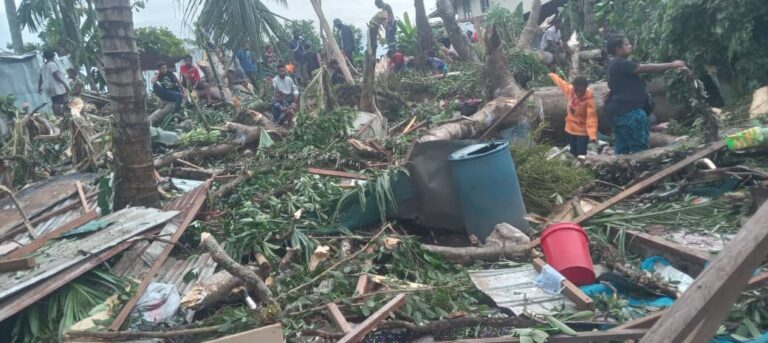
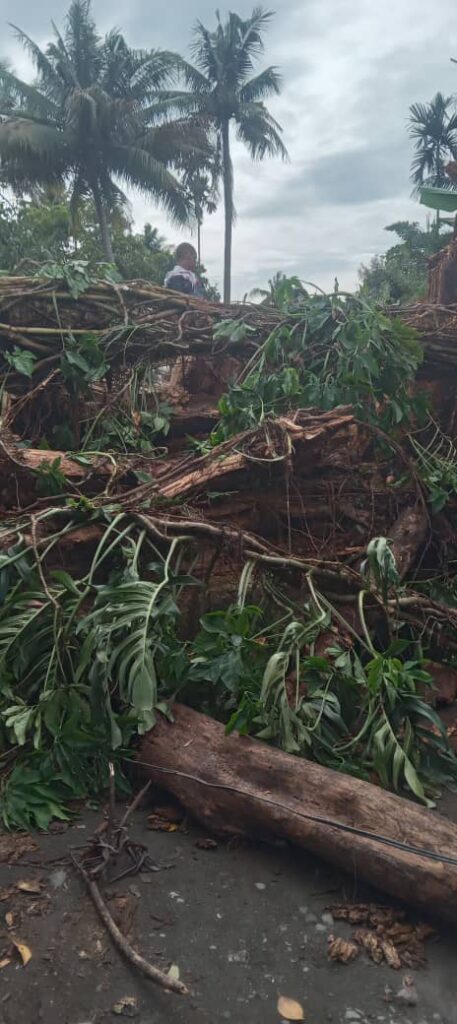
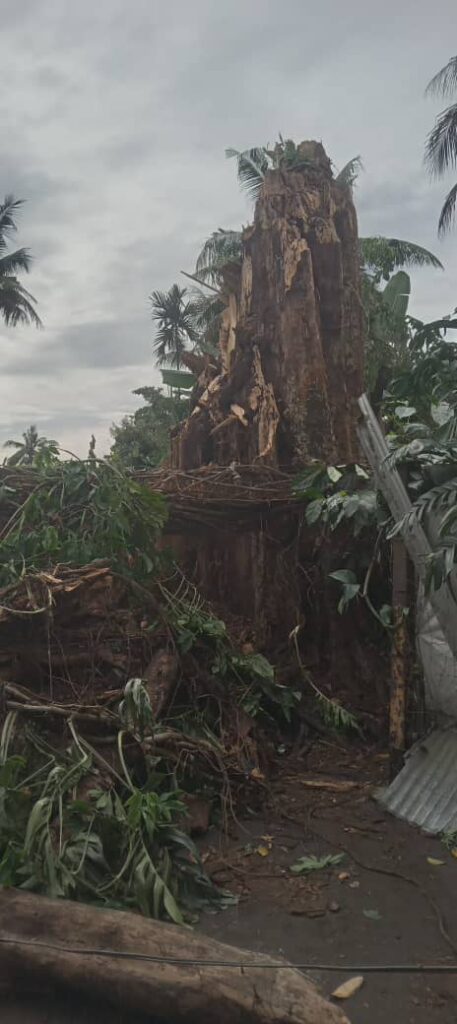
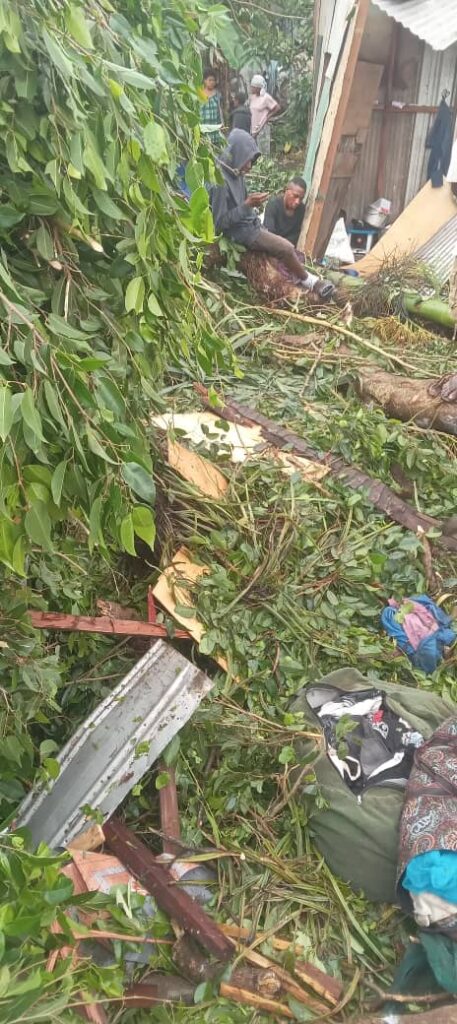
A woman and two children were tragically killed last night in Lae, Papua New Guinea, when a massive, decaying tree collapsed during a heavy downpour. The incident, which occurred in the Kamkumung Assinghu, Y2K area, Ward 15 of the Ahi Local Level Government (LLG), also left more than eight people badly injured.

The deceased children were reported to be around 9 to 11 years old. Following the tragedy, the injured were rushed to the Angau Memorial Provincial Hospital, where they are currently receiving treatment for various injuries.

The old, towering tree that fell was a structure that had long provided shade and shelter for the community. Its collapse destroyed eleven houses in total, taking the lives of the three individuals.

Ward Councillor, Awagasi Aisen, expressed his shock and sorrow, alleging that the deaths were a preventable tragedy. He emphasized the need for residents to be mindful of their surrounding environment, especially when constructing homes near huge, old, and decaying trees.

 “It is an unfortunate situation witnessed tragically by the members of the community, with two very young lives lost and that of a woman as well. Eight are currently in critical condition and are at the Angau Memorial Provincial Hospital,” he said.

Councillor Aisen called upon relevant authorities, specifically the Disaster Office, to urgently look into the matter and provide assistance to the families who lost their homes.

“I call on responsible authorities, especially the Disaster Office to look into this issue and assist the families that lost their homes last night by the falling tree.”

He further committed to working closely with authorities to ensure a thorough inspection of the Ward 15 area for potential hazards, including decaying trees and hanging tree branches, to prevent similar incidents in the future.


Pin It