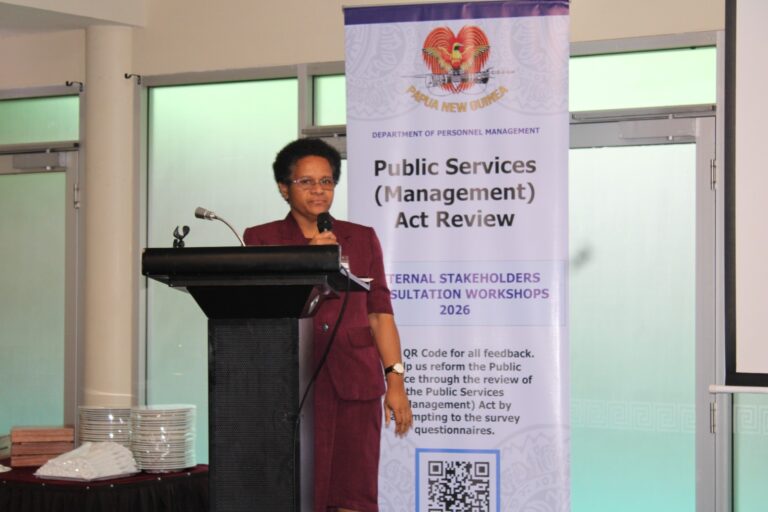
As part of the Government’s ongoing efforts to modernise and strengthen public sector governance, the Department of Personnel Management (DPM) commenced a public review of the Public Service Management Act (PSMA) on Monday.
DPM began the external consultations with agencies in the Social and Administration Sector this week, marking the first phase of wider national engagement.
Secretary for the Department of Personnel Management, Taies Sansan, told participants that the review aims to critically assess the existing Act, identify gaps and overlaps, highlight areas requiring improvement, and recommend reforms that will enhance efficiency, transparency, accountability, and professionalism across the public service.
“The Public Service Management Act is the cornerstone legislative framework governing the administration, management, and operations of the public service in Papua New Guinea.
Since its enactment in 1995, it has guided appointments, employment conditions, organizational structures, and the implementation of constitutional provisions related to State Services and Provincial Administrations,” Sansan said.
She stated that the PSMA has undergone several amendments and reviews since its inception, most notably in 1998, 2002, 2003, 2020, 2022, and a consolidation in 2024.
However, with the public service landscape rapidly evolving, a comprehensive review is now necessary to ensure the Act remains relevant, effective, and aligned with national priorities.
Sansan emphasised her vision for a “smarter, leaner, technology-driven public service” staffed with well-remunerated public servants who can contribute meaningfully and efficiently to national development.
It has been twelve years since the first LNG Gas was exported out of Papua New Guinea and it has been twelve years since the National Government promised a 4.27 percent equity to landowners and Provincial Governments impacted by the PNG LNG Project.
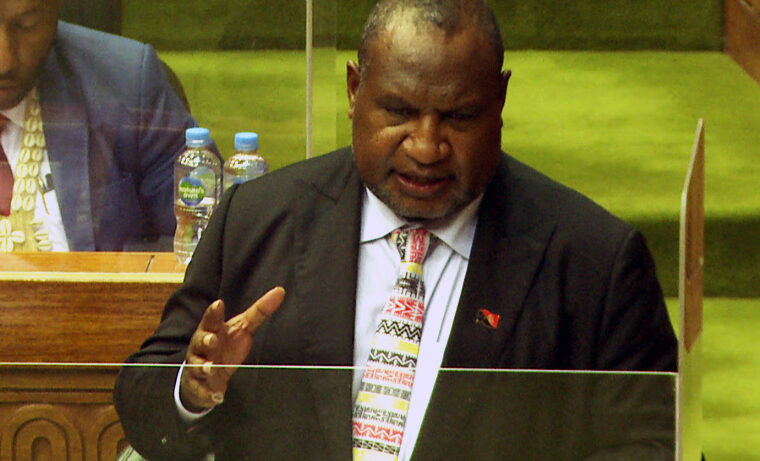
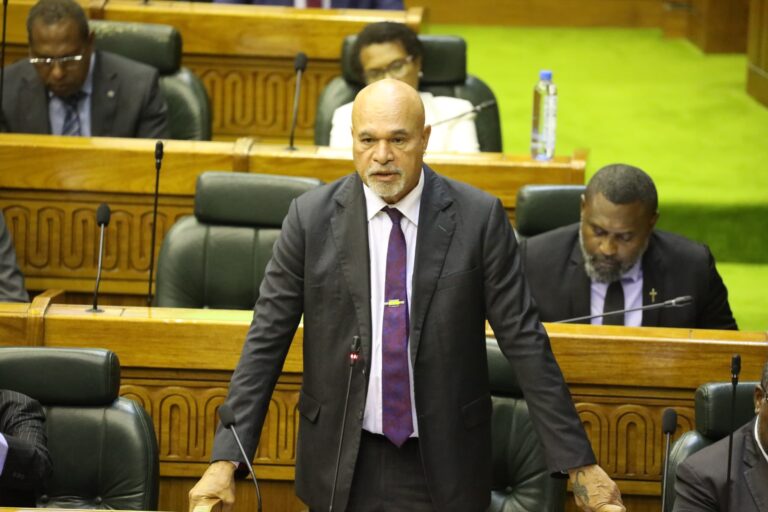
Komo Hulia MP Daniel Tindipi put the question to Prime Minister James Marape during parliament question time on Tuesday.
In response, Prime Minister James Marape reaffirmed the Government’s commitment to resolve this long-standing issues surrounding the 4.27 per cent PNG LNG equity, vowing to strengthen benefit-sharing arrangements for landowners and provinces, and advance national energy security.
Marape acknowledged that the 4.27 per cent equity component originally envisaged as a strategic benefit for landowners and the five provincial governments impacted by the PNG LNG project, remains an outstanding national issue more than a decade after the first gas production commenced in 2014.
“This equity component was intended as a meaningful participation mechanism for our landowners and provincial governments. It is now 12 years since first gas, and it is clear that this matter has not been fully resolved,” Prime Minister Marape said.
According to Marape, the 4.27 per cent equity originated from arrangements negotiated during the 2008–2009 Umbrella Benefit Sharing Agreement (UBSA), when the State, landowners, and provincial governments came together to enable the final investment decision of the PNG LNG project.
He said the equity was conceived as a form of “gifted participation” to ensure that the benefits of one of Papua New Guinea’s largest resource projects would extend beyond statutory entitlements under the Oil and Gas Act.
“This was over and above the legally mandated 2 per cent royalty and equity benefits. It was intended to give our people a stake in the project’s success and long-term returns,” he said.
However, the Prime Minister highlighted that despite the project’s significant contributions to the national economy including billions of kina in revenue since 2014 the intended beneficiaries have not been afforded the opportunity to exercise ownership or fully realize the value of this equity.
Marape confirmed that the Government has formally tasked Kumul Petroleum Holdings Limited with undertaking a full and transparent review of the 4.27 per cent equity, including its historical treatment, financial utilisation, and current status.
“We have asked Kumul Petroleum to present a complete information package to Cabinet. This includes what happened to the equity at the time of first gas, how it has been used over the years, and what value it holds today,” he said.
He stressed that the review will not be limited to the 4.27 per cent equity alone but will form part of a broader assessment of the State’s entire equity portfolio in the PNG LNG project, including the 16.57 per cent stake held through Kumul Petroleum.
“This is a holistic review. We are examining the full structure of our national equity interests to ensure accountability, transparency, and maximum benefit for our people,” he added.
Prime Minister made it clear that once Cabinet receives the full report, the Government will make a policy decision on how the 4.27 per cent equity should be allocated and managed going forward.
He emphasized that the Government is determined to ensure that landowners and provincial governments are properly recognized as beneficiaries, while also safeguarding long-term national interests.
“We will not rush this decision. It must be structured carefully to ensure fairness, sustainability, and direct impact,” he said.
The Prime Minister outlined a three-pronged approach under consideration:
Direct Benefit Distribution: Ensuring that a portion of the equity delivers tangible financial returns directly to landowners and provincial governments without unnecessary intermediaries.
Future Generational Savings: Establishing mechanisms to preserve part of the equity value for future generations, potentially through trust structures or sovereign-style funds.
Transparent Governance Framework: Implementing strong governance and accountability measures to ensure that benefits are managed responsibly and equitably.
The Prime Minister further clarified that while the 4.27 per cent equity is an important benefit, it is not a statutory entitlement under the Oil and Gas Act, unlike the 2 per cent royalty and equity provisions already being distributed.
“This component was a negotiated benefit, an additional allocation made in good faith to support landowners and provinces. That is why we must handle it carefully and responsibly,” he said.
He noted that existing benefit distribution mechanisms for statutory entitlements are already in place and could be leveraged to ensure efficient and transparent delivery of any future equity benefits.
Responding to calls for a review of existing agreements, including the Umbrella Benefit Sharing Agreement and related licence-based arrangements, Prime Minister Marape said the Government is open to reviewing these frameworks where provisions allow.
“We will seek technical advice on the review clauses within these agreements. If provisions exist for periodic review, we will activate them to ensure that agreements remain fair and relevant to present-day realities,” he said.
He acknowledged that some agreements may be overdue for review and assured stakeholders that the Government will engage constructively with landowners, provinces, and project partners. Advancing Domestic Energy Utilisation
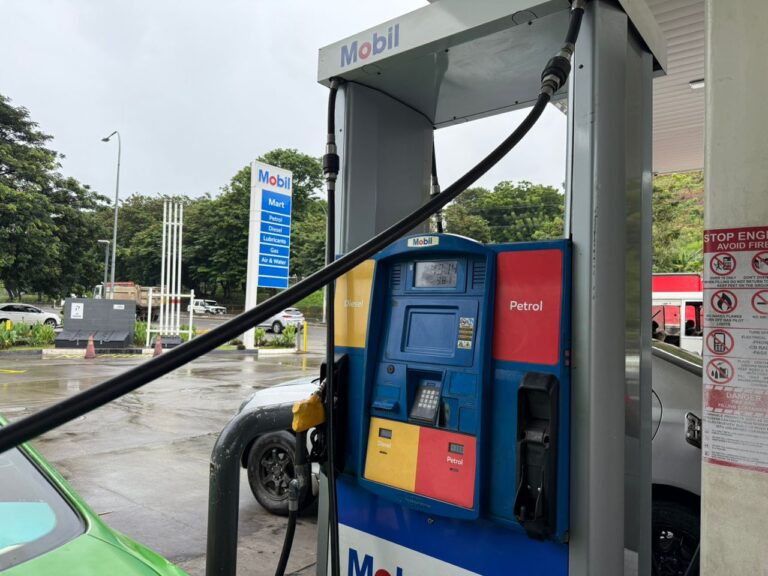
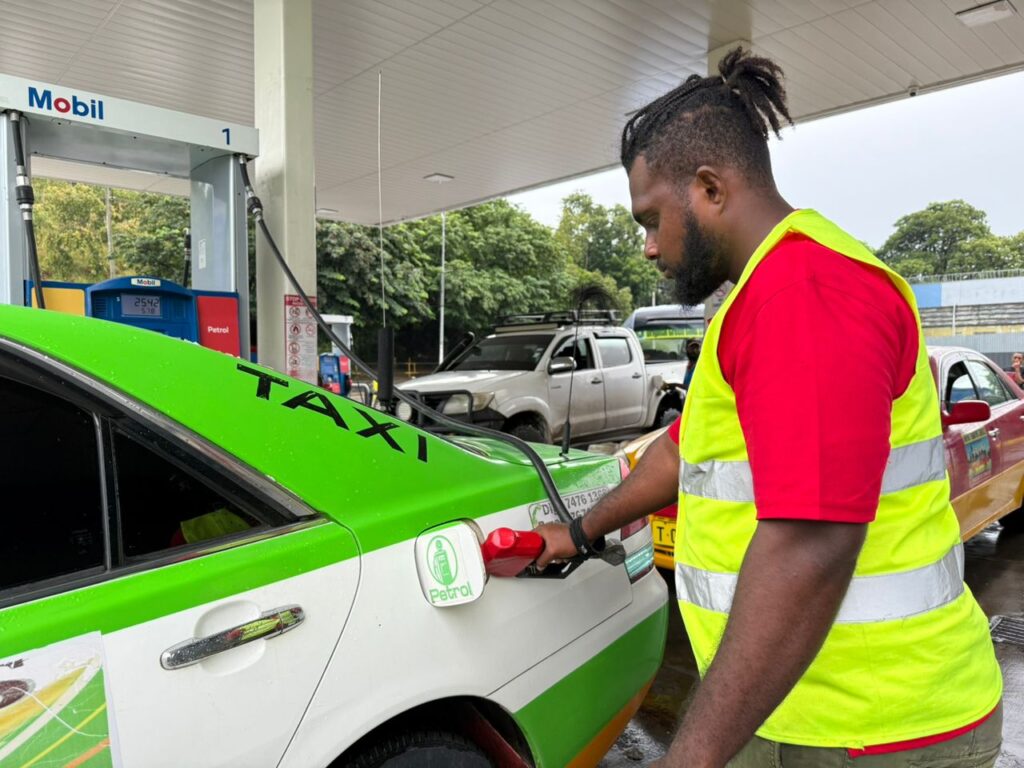
Prime Minister James Marape has assured Papua New Guineans that the government is putting in place emergency standby fuel arrangements and relief measures to shield the country from soaring global oil prices triggered by escalating conflict in the Middle East.
In a statement released yesterday, PM Marape said the government was not taking any chances with fuel security, especially given threats to key shipping routes such as the Strait of Hormuz.
“We are putting in place standby facilities to guarantee fuel security for our nation going forward,” the Prime Minister said.
“In light of what is happening globally, especially in the Middle East, we are not taking any chances.”
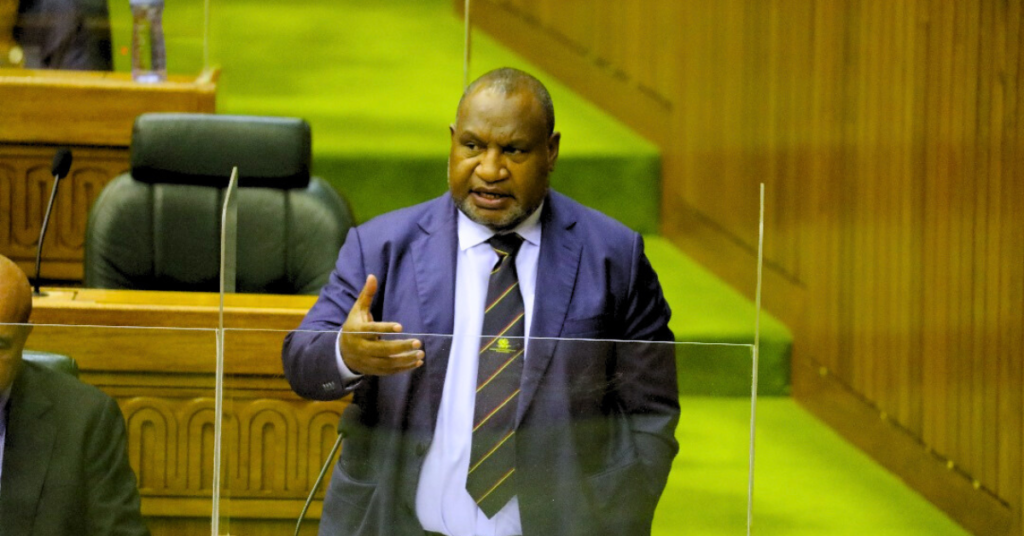
Prime Minister, James Marape.
He confirmed that economic and energy officials have been instructed to prepare relief measures, including possible targeted subsidies, to prevent international price spikes from hitting households and businesses too hard.
“Our goal is to ensure that the impact of global fuel price increases is not heavily felt here at home,” PM Marape said.
“We want to maintain fuel prices below the rate of inflation and ensure they remain at a realistic and affordable level for our people.”
The Prime Minister singled out State-owned Ok Tedi Mining Limited and its energy arm for early action, thanking the company for securing additional aviation fuel shipments and maintaining diesel stocks.
“Ok Tedi has moved early to secure additional aviation fuel shipments and, together with existing stocks and fuel already in transit, is helping to ensure continuity of Jet A1 supply for the aviation sector,” he said.
He also revealed ongoing talks with major importers Puma Energy and ExxonMobil to keep fuel flowing and examine cost-containment options.
The statement comes as global oil prices have surged dramatically. Before the latest Middle East flare-up, crude was trading around USD 64 per barrel. It rose to USD 100, then leapt above USD 150 this week, with some market forecasts now pointing towards USD 200.
Economist Paul Barker, responding directly to the Prime Minister’s statement, welcomed the government’s focus but warned that PNG faces serious longer-term challenges if the middle-east crisis drags on.
“It’s important that the PM, Treasurer and team give major focus and preparation on this, to ensure steady supply of needed fuel and to help restrain undue price impacts on consumers, especially lower income earners,” Mr Barker said.
Paul Barker, Economist.
He stressed the need to keep the public calm and avoid panic buying or hoarding, which could worsen shortages.
Barker noted that Ok Tedi has been keeping aviation fuel flowing for months during PNG’s foreign-exchange crunch and earlier disputes with Puma Energy. However, he raised concerns that the mining giant is being asked to step well outside its core expertise.
“There is invariably concern that this mining company may be being asked to diversify its activities well outside its core areas of expertise and focus, at some potential cost to its own functions and perhaps standards,” he said.
On the global picture, he explained that roughly 20 percent of the world’s oil normally passes through the Strait of Hormuz, which is now effectively closed to most shipping except Chinese vessels and some escorted Indian ships. This has thrown supply chains into chaos, with tankers stranded far from usual refineries.
“Prices have risen from about USD64/barrel before the attack was launched, up to USD100, before slightly dropping back… but that was soon shelved with Iran’s threat to close the straits,” Barker said.
“Oil prices this week have leapt above USD150/barrel with supplies offered well above that and forecasts rising over days to USD 200.”
While prices can fall quickly, as they did after the 2022 Ukraine invasion spike, Barker said this conflict shows “no clear path of resolution” and Iran could sustain the threat for a long time.
“PNG can help mitigate costs in the shorter run, but if high prices are sustained, which seems likely unless there’s some constructive breakthrough, it would be challenged to sustain strong counter-market pressure,” he said.
He added that the only silver lining for PNG would be higher revenues from the country’s own gas and oil projects, which could deliver a windfall to the State through taxes and equity stakes.
Meanwhile, the Independent Consumer and Competition Commission confirms that the Middle East crisis has disrupted domestic price hikes. While petrol cost is up by K0.13 per litre and diesel by K0.22 per litre for the month of March, these increases are based on the benchmark prices from February.
ICCC says domestic prices for the next month (April) will see the impact of the current Middle East crisis, and further updates will be released next month given the one-month lag in price calculations.
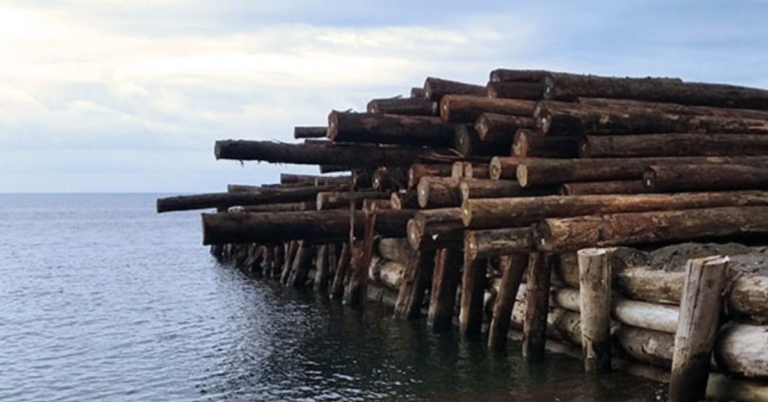
Community advocacy group ACT NOW! has once again calls on the PNG Forest Authority to publish the complete log export data for 2024 and 2025.
Campaign Manager Eddie Tanago says while the government has promised to ban all round log exports from January 2026, the PNGFA is yet to publish data on log export volumes for 2024 and 2025.
“For fifteen years detailed statistics about the volume of log exported from every logging operation across the country was available from independent monitoring firm SGS. But in 2024 SGS withdrew their services because of a backlog of unpaid invoices.
“Although the PNGFA said it was taking over the monitoring operations, since 2024 not one single report has been published and there is no monthly or annual data available for 2024 or 2025”.
ACT NOW! says with the lack of information available on log export volumes, the public will lose confidence in the Marape-Rosso governments plans to ban round log export.
“The Prime Minister has staked his international reputation on the promise to end all round log exports from PNG, it is therefore essential that PNGFA immediately publishes its data for 2024 and 2025.
In June last year, the PNGFA assured the Parliamentary Special Committee on Public Sector Reform that it would provide regular reports with all the monthly log export volumes from individual logging projects, but nothing has been produced.
ACT NOW! says the lack of log export data reflects a general failure by the PNG Forest Authority to publish even basic information on its management of forest resources.
The Forestry Act says there should be a public register of information on all commercial logging operations and logging permits but it seems this has never been established.
ACT NOW! says the lack of publicly available information on the logging industry and the lack of export data is just one reason why the sector continues to be plagued by widespread illegal logging and presents a major money laundering risk.
This has contributed to PNG’s recent grey listing by the international financial community.
New economic data released on Tuesday shows that Australia’s underlying inflation rate rose slightly in January, putting fresh pressure on the federal government as it prepares the upcoming budget.
According to the Bureau of Statistics, trimmed mean inflation the Reserve Bank’s preferred measure that ignores extreme price swings hit an annual rate of 3.4%. This is a small increase from the 3.3% recorded in December.
While the “headline” inflation rate, which covers all goods and services, stayed steady at 3.8%, the rise in underlying prices suggests that the cost of living remains stubborn.
The biggest factors pushing prices higher in January were, Housing costs, Food prices, Recreation and culture.
Finance Minister, Katy Gallagher said that the end of certain government power bill discounts played a role in the January numbers.
“We did see last month that inflation ticked up a little and we saw largely as a result of some of those temporary energy rebates coming off that influenced those,” she said.
For many Australians, the news is a double blow. Because inflation is staying higher than the Reserve Bank (RBA) would like, experts now expect further interest rate rises later in 2026. The RBA already lifted the cash rate to 3.85% in February.
Furthermore, the spike in costs means that real wages have fallen for the first time in over two years, as paychecks fail to keep up with the rising cost of groceries and rent.
The government is currently finalizing the Federal Budget, which will be handed down in May. Minister Gallagher said these new figures will be a major factor in their planning.
“The job for the government remains the same, being conscious that the decisions we make right for the economic circumstances of the time,” she said.
“So we’ll see what that data says, and we’ll make decisions based around that.”
Cricket Papua New Guinea (CPNG) unveiled a strategic roadmap for 2026, headlined by a massive push to increase youth participation from 90,000 to over 150,000 children nationwide.
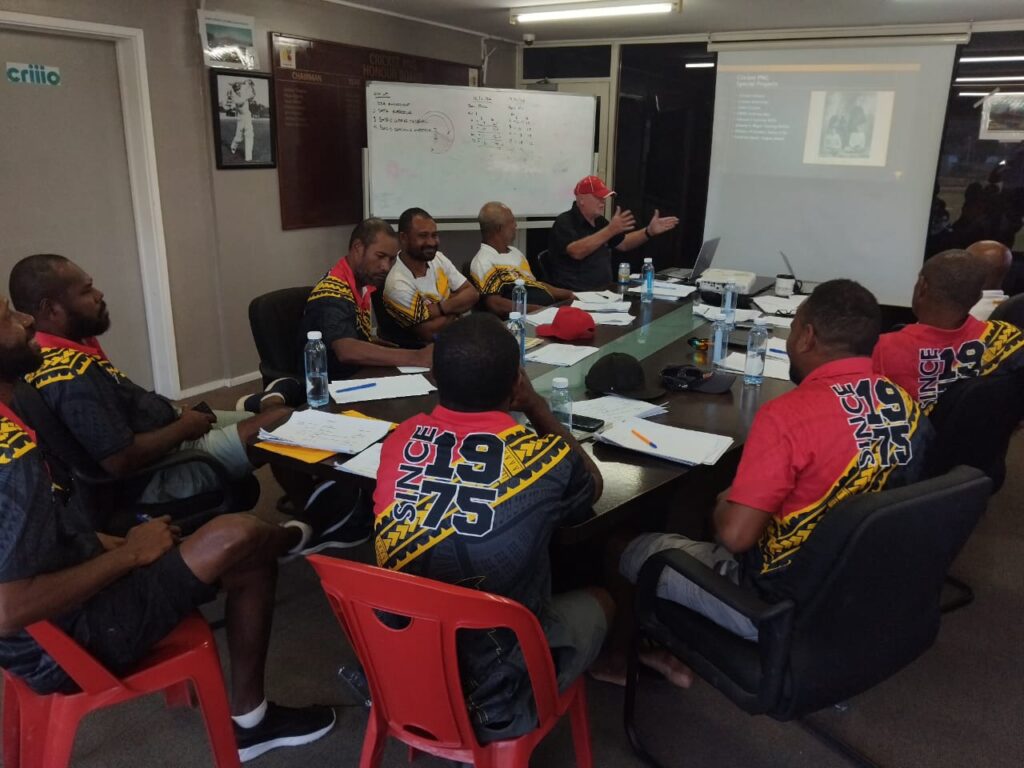
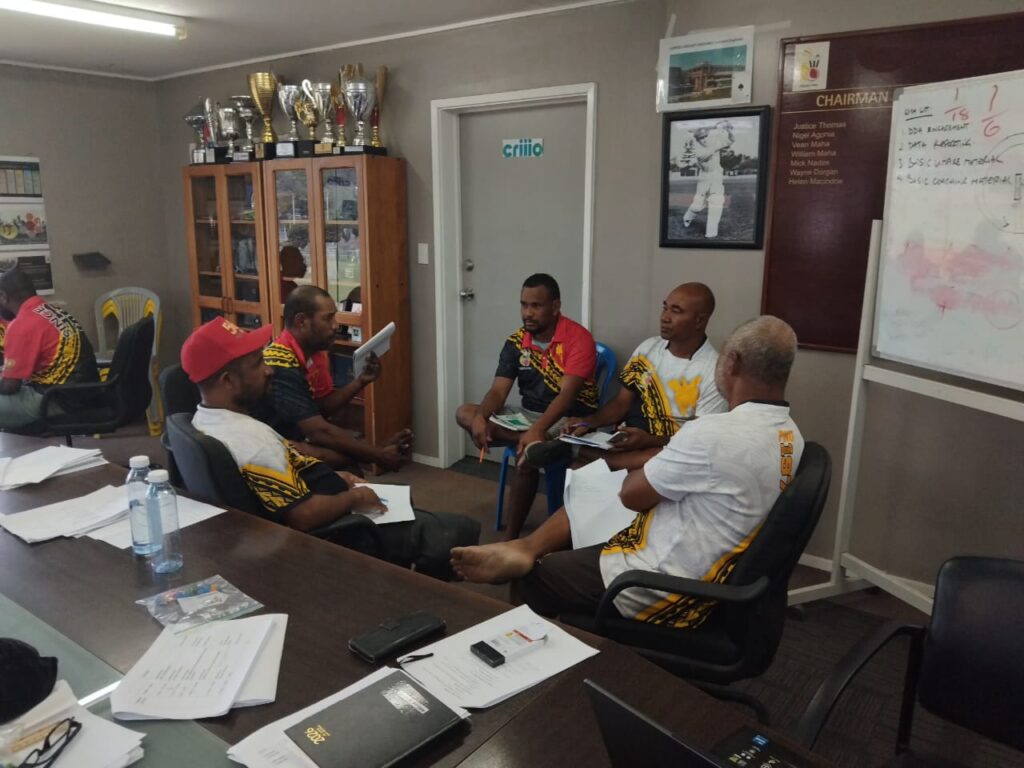
The target was established during the first phase of the 2026 Regional Cricket Managers (RCM) Conference, held at Amini Park from February 16th-17th.
The two-day summit brought together leaders from the Southern and Islands regions including NCD, Central, Milne Bay, and West New Britain to align provincial operations with national high-performance and development goals.
The conference, led by CPNG Operations Manager, Rarua Dikana, focused on shifting the organization toward a more data-driven and accountable structure. By analyzing strengths and threats across the regions, the board aims to standardize how cricket is delivered in both urban hubs and remote villages.
“The RCM’s focused on the involvement and participation planning and targets for year 2026. Last year the game development section covered up to 90, 000 children through their schools and community involvement and participation,” Dikana said.
To support this growth, the conference emphasized “engine room” logistics, the administrative, financial, and HR functions that keep regional offices running.
Office & Facility Manager, Helen Koave stressed the importance of supporting managers in areas where resources are often scarce.
One main theme of the summit was the pathway from grassroots participation to elite representation. Highlights from the sessions included:
Talent Identification: High Performance Manager and Barramandis Head Coach, Tim McCaskill, outlined how regional managers can better identify talent for national squads.
Specialized Programs: Plans were introduced for “Table Cricket” and indoor activities to make the sport more inclusive.
Technical Training: New coaching and umpiring certification schedules were set to raise the standard of officiating across the provinces.
While the outlook is optimistic, regional leaders highlighted the logistical hurdles of operating in PNG. Nathan Henry, the RCM for West New Britain, noted that while the new “Criiio Cricket Program” for ages 4–13 is promising, the sheer distance between rural schools remains a significant challenge for development officers.
The Port Moresby session concluded with intensive budgeting and allocation planning to ensure each region has the tools to meet its 2026 benchmarks.
The second phase of the conference will move to Goroka, where CPNG leadership will meet with managers from the Highlands and Momase regions, including Lae, Madang and Mt. Hagen to finalize the national 2026 calendar.
Renovation work has commenced at the National Agriculture Insect Collection Centre (NAIC) in Port Moresby.
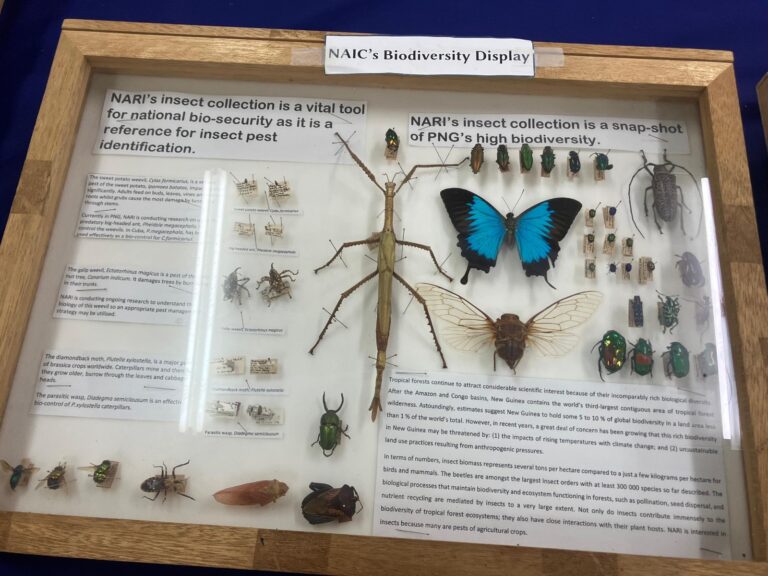
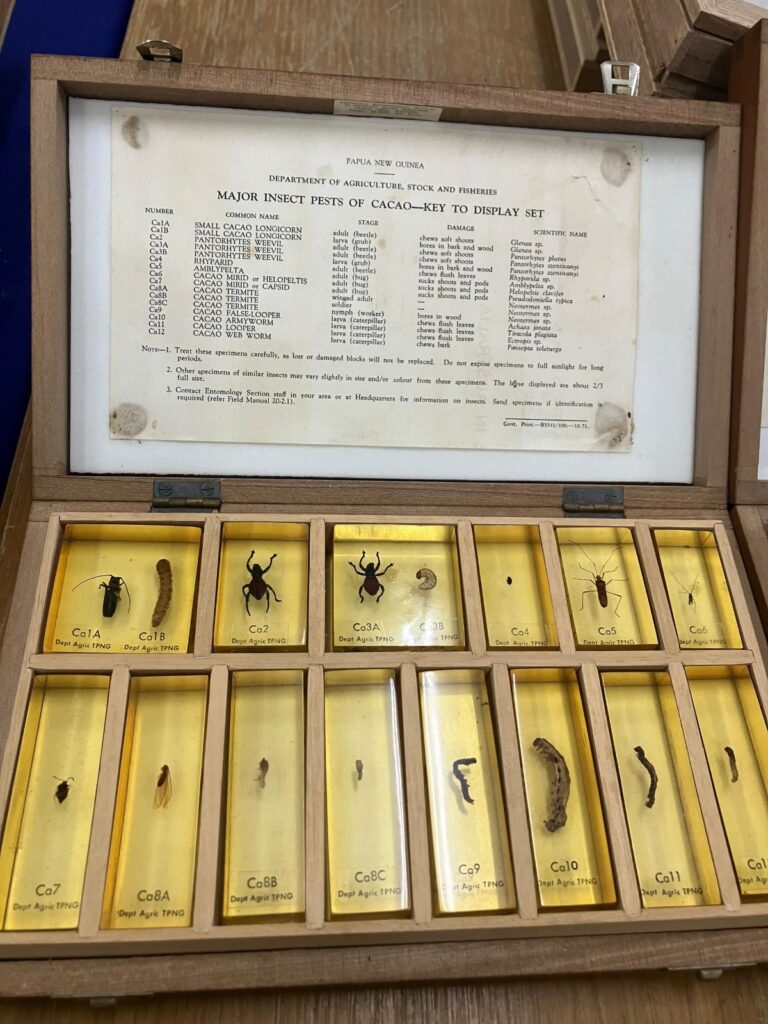
NAIC is an arm of the National Agricultural Research Institute and is the only national centre that houses over 90 000 specimens of insects.
Insect collections are essential for scientific research, education, and conservation efforts. They provide valuable resources for species identification, discovery, and monitoring of insect populations.
Properly preserved and stored specimens can be enjoyed and studied for hundreds of years, contributing to our understanding of biodiversity and the ecological importance of insects.
Development of the NAIC database began in 2018 with recording of 24 035 specimens belonging to 2 183 species from four orders: Lepidoptera, Hemiptera, Hymenoptera and Orthoptera.
The collection has now grown to 96 744 specimens with over sixteen orders.
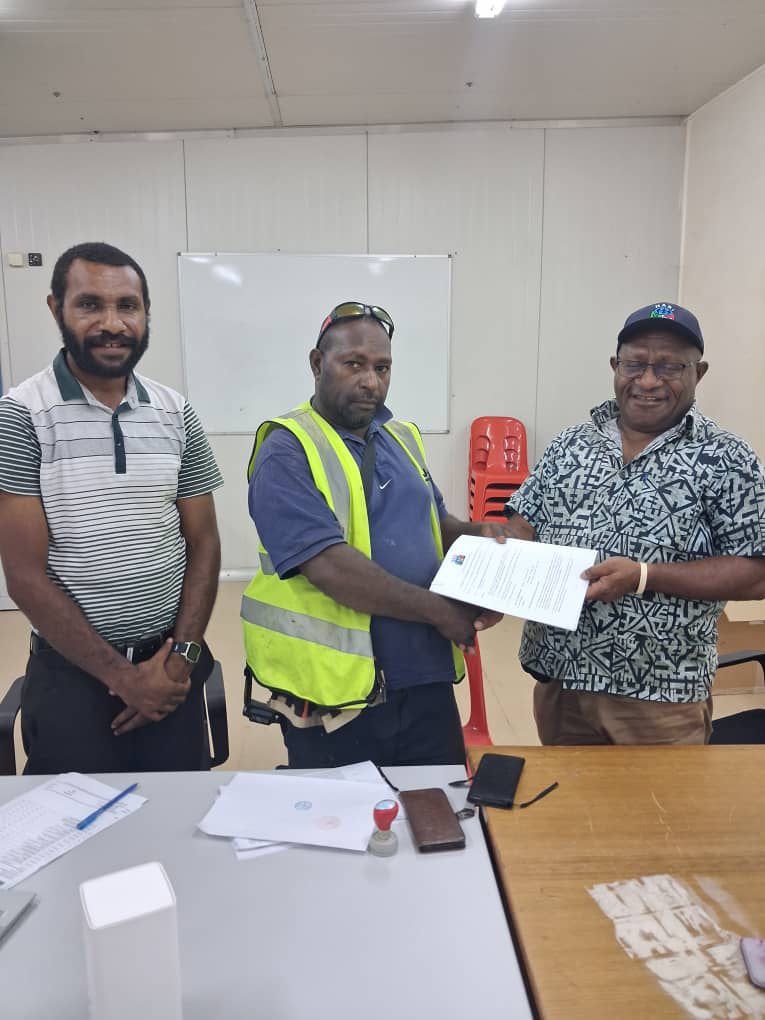
Through a tender process, NARI has awarded the contract to JS Engineering based in Port Moresby to carry out renovation works at the value of K 210,000.
The contractor was selected based on proven record of completing work on time and within budget.
The contract was signed between the contractor and the NARI Management on 2nd February 2026.
The renovation work will include purpose-built rooms to store and preserve insect specimens, work room to clean the specimens and the display room to showcase the specimens.
There is also general work to improve office and rest rooms for staff.
The Institutes Management received full funding in 2025 from the Department of National Planning, under the Public Investment Program (PIP).
Work is set to be completed in April 2026.
Preservation and data collection on the insects found in the country is key in agricultural research work. It helps scientists understand the nature of pest and diseases affecting crops.
Signing the contract on behalf of NARI, was Deputy Director General Dr. Peter Gendua.
Dr Gendua expressed gratitude to the National Government through the Department of National Planning for supporting this small but significant project.
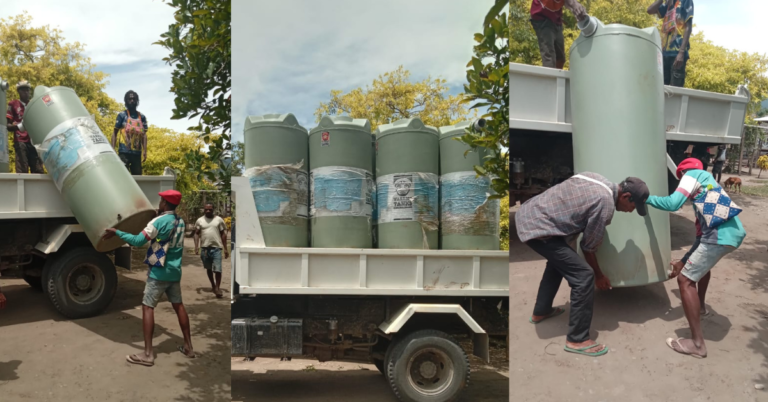
In Morobe’s Huon-GulfDistrict, a quiet transformation is taking place at the household level. As of February 2026, the District Development Authority has moved into the next phase of a long-term infrastructure plan, delivering 1,000-litre water tanks to families who, until now, have struggled with consistent access to clean water.
This initiative is the second half of a strategic rollout that began in 2024.
Over the last two years, the district distributed roofing iron to families, schools, churches, and health clinics. Now that those structures are complete, the district is following up with the means to make them functional with rainwater harvesting systems.
The rollout is prioritizing communities that have already utilized their previous building materials. This approach ensures that resources are not wasted and that the infrastructure translates immediately into a better quality of life.
The recent milestones include:
– 10 water tanks delivered to families in need in Wampit.
– 10 water tanks were delivered to Tararan village on Wednesday (February 4) morning and,
– Zifasing in the 40 Mile area being identified as the next priority site for delivery.
By linking the roofing program directly to the water program, the district is ensuring that a sturdy roof provides more than just shelter, it provides a sustainable source of life.
Local MP, Jason Peter, who is also the Minister for Community Development, Youth and Religion, emphasized that the program is designed to serve the people for decades, not just months.
“Water is life,” he said.
“After supporting our people with roofing iron in 2024-2025, it is only right that we now follow up with water tanks so families can harvest rainwater and improve their daily living.”
“This support is for families, schools, churches, and clinics, and it will serve our people for many years to come,” Peter said.
For those who have yet to see these materials arrive, the Minister offered a guarantee of continuity.
“Those who did not receive roofing iron in 2024-2025, I want to assure you that distributions will continue this year. Once roofing iron is delivered and buildings are completed, water tanks will also follow to support proper water catchment,” the Minister added.
Managing the logistics of a district-wide distribution requires a focus on fairness. Electoral Team Project Manager, Mr. Bundy, said that the team is tracking which buildings are ready to receive the tanks to ensure the rollout remains efficient.
“Our team is delivering water tanks to communities that have completed their buildings using the roofing iron supplied in 2024-2025. For new recipients this year, roofing iron will be distributed first, and water tanks will follow. This ensures long-term benefits and fair distribution across Huon-Gulf,” Bundy explained.
The districts overarching goal indicates that a coordinated, people-centered approach to development brings health and dignity to the rural corners of Huon-Gulf.
For three decades, the promise of a Central City at Bautama has been little more than a series of groundbreaking ceremonies and stalled dreams. But yesterday, the dust finally began to rise in earnest.
Acting Prime Minister and Minister for Lands and Physical Planning, John Rosso, joined Central Governor, Rufina Peter at Bautama to move past the rhetoric of the past and launch three tangible projects which are, the Bautama Boom Toll Gate, a new Provincial Market, and a Residential Estate.
For the ordinary grassroots workers of Central Province who have long been guests in Port Moresby, this launch represents more than just infrastructure. It is a push for a home they can actually afford.
During the keynote, Rosso challenged the modern definition of affordable. He noted that while high-end developments target the wealthy, the backbone of the workforce is being left behind.
“People get confused about what affordable means,” Rosso said.
“There must also be options for low-income earners, which is under K100,000.”
He broke down the harsh reality of urban development, explaining that simply connecting power, water, and roads to a single 450-square-meter block costs a minimum of K100,000.
“Our bus drivers, taxi drivers, waitresses, and workers who cannot afford K700,000 homes should have access to allotments in the K50,000 to K100,000 range. That is where government must heavily subsidize infrastructure programs,” he added.
While the idea of Bautama is old, the additions launched this week are specific steps to make the city functional:
The Boom Toll Gate is designed for internal border security and revenue collection to fund provincial services.
The Central Provincial Market is a space dedicated to and for Central farmers to sell produce without the hassle and struggle of traveling into Port Moresby markets.
Residential Estate is the first phase of a housing project aimed at middle and low-income earners, being built in partnership with private developers like YFIG Builders.
Governor, Rufina Peter acknowledged this history of missed opportunities but insisted the time for delay is over. With K27 million already expended on these priority works and an estimated K300 million needed for the full city vision, the focus is now on transparency.
Rosso concluded with a plea to the traditional landowners to not sell their futures for a quick Kina.
“We must find solutions… so [landowners] do not lose their land. We need the right mix to support landowners, uphold honest government, and put roofs over our people in the name of development.”
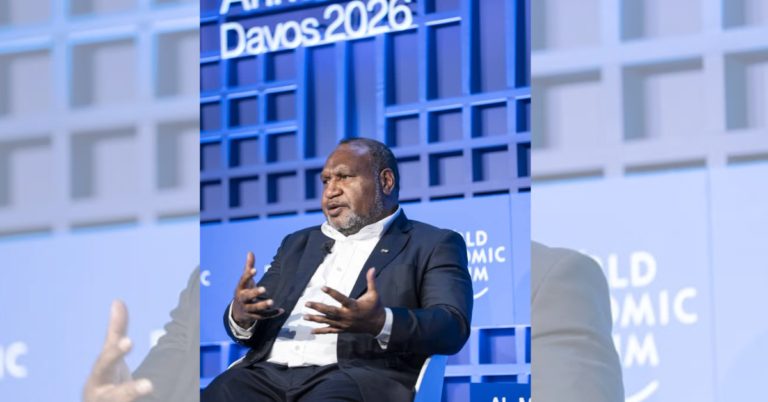
DAVOS, Switzerland – Prime Minister James Marape has positioned Papua New Guinea (PNG) as a premier destination for global capital, highlighting the nation’s strategic neutrality and consistent economic growth during the 2026 World Economic Forum(WEF).
Speaking on a high-level panel titled “Where are we with emerging markets?”, Marape highlighted PNG’s unique ability to thrive despite escalating geopolitical tensions in the Pacific region.
Addressing a global audience of business leaders and policymakers, the Prime Minister emphasized PNG’s role as a diplomatic and economic bridge.
“Papua New Guinea is placed in the middle of East and West, with our cultural affinity to the east and our democratic style of government with the west.”
He reaffirmed the nation’s steadfast foreign policy, which he credited for maintaining a stable investment climate in the five years following the COVID-19 pandemic.
Prime Minister James Marape at the 2026 World Economic Forum in Davos, Switzerland.
“The government of PNG tries its best to walk the fine line, with the foreign policy of ‘Friends to all and enemies to none’, developing a fine balance with how we relate as an emerging economy in the last five years after COVID.”
The Prime Minister presented a robust balance sheet for the PNG economy, noting that the country has defied global downturns through disciplined fiscal management and a pivot toward the non-resource sector.
“We have posted above 4 percent growth consistently for the first time in the last five years and kept inflation below the running average for the last 50 years.”
“Diversifying away from our traditional anchor economy area in mining and petroleum and shifting to the non-resource sector economy.”
To illustrate the country’s reliability, Marape pointed to the success of major energy players TotalEnergies and ExxonMobil. He highlighted a significant milestone for the nation’s premier LNG project as evidence of PNG’s maturity as a borrower and partner.
“ExxonMobil has operated our biggest LNG project since 2008 with first export in 2014. Seventy (70) percent of the $22billion project was bank financed and recently, that has been retired six months earlier.”
Marape concluded his address by advocating for a shift in global investment patterns toward Southeast Asia and the Pacific. He defined emerging markets as the home of fresh capital that flows toward opportunity whenever traditional markets become restricted.
“In my view, emerging markets are where fresh capital is, capital that knows no boundaries and that capital will flow elsewhere in cases where markets are squeezed or economic focus is restricted.”