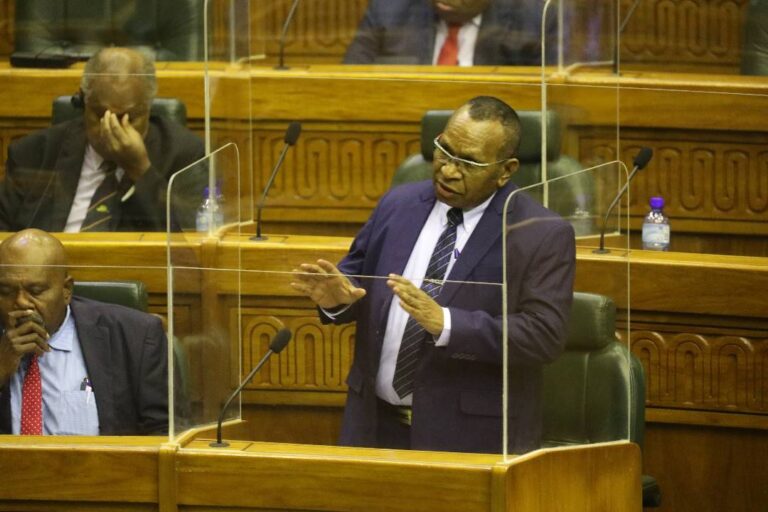
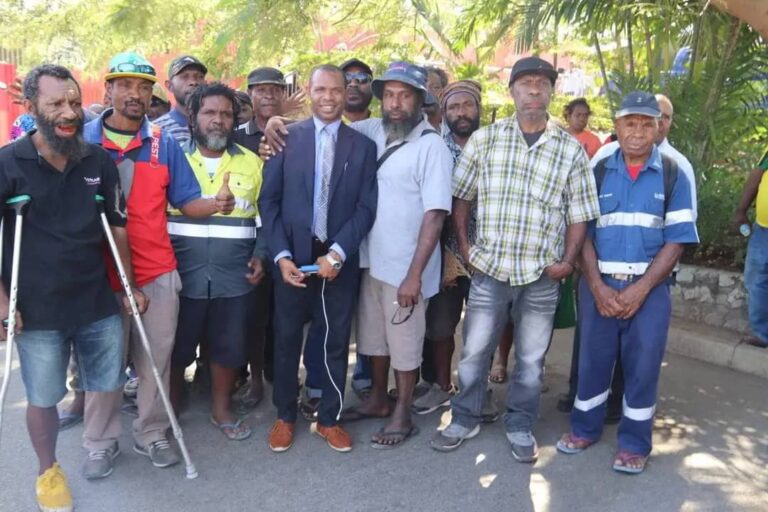
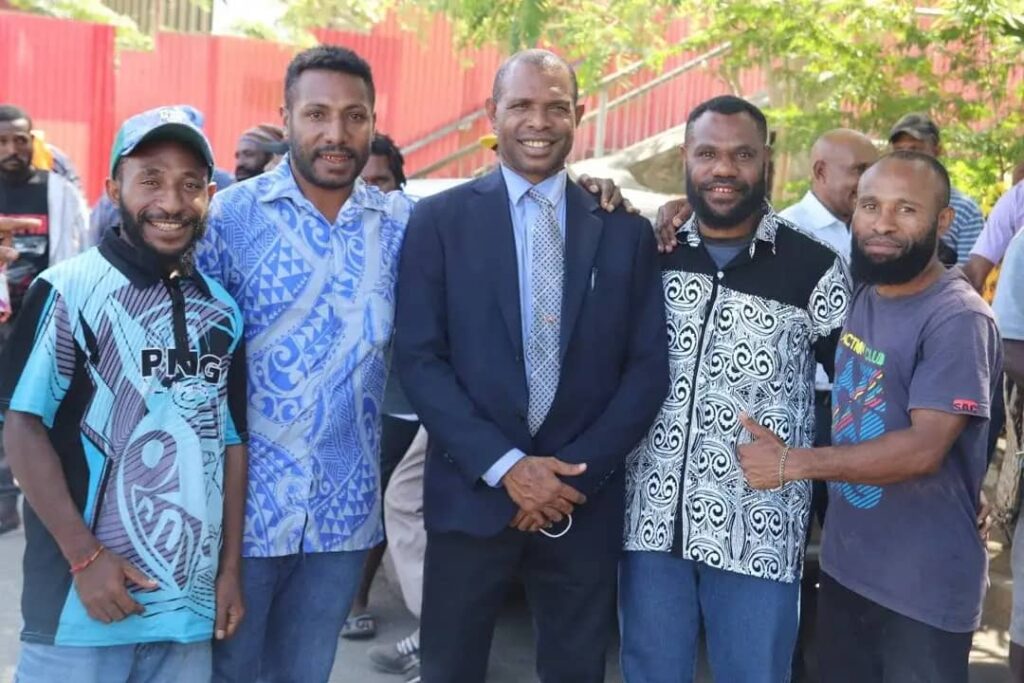
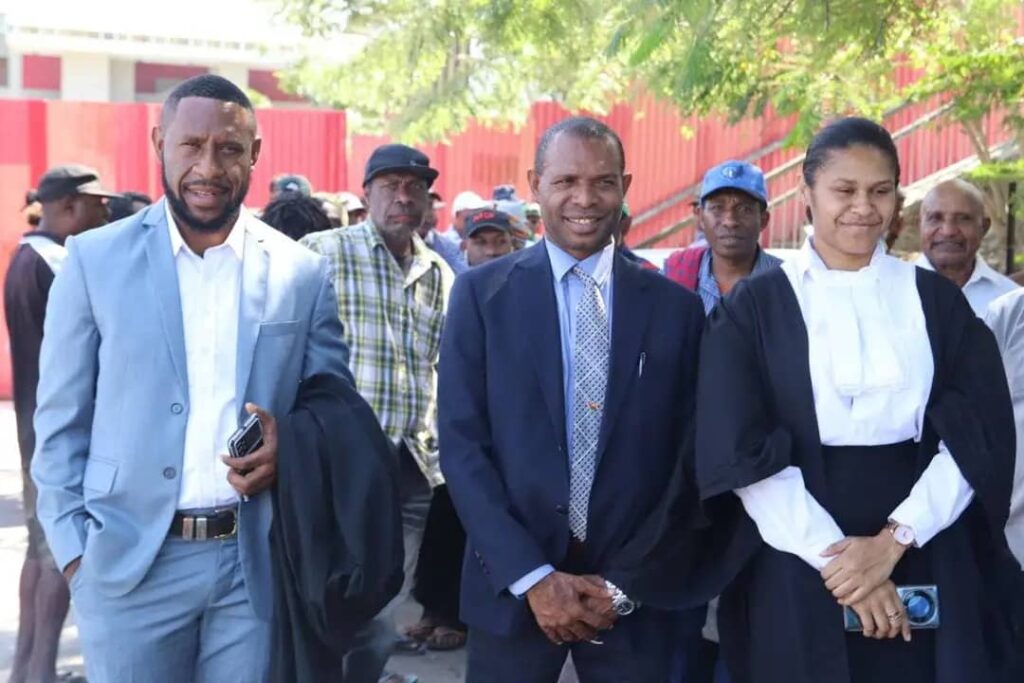
The Bougainville House of Representatives has voted unanimously to extend the State of Emergency (SOE) on the island region for two more months.
President of the Autonomous Bougainville Government, Ishmael Toroama presented an comprehensive report on the SOE in the parliament and recommended for an extension in a special session that convened today.
Toroama said a team from the Rabaul Volcanic Observatory Center arrived in Buka to establish a seismic monitoring system at Piva Station at Torokina.
The arrival of the RVOC team comes following an Australian Government initiative to install the monitoring instruments.
“I take this time to thank the Governments of Australia, New Zealand and USA for their generous support. On an international front of our political independence journey, we are open to humanitarian assistance through such strategic alliance,” said Toroama.
The initial SOE was declared on 16 July 2023, following the eruption of Mt. Bagana in Wakunai and Torokina Districts.
Regional Member for Bougainville, Peter Tsimalili Jnr told Inside PNG, continuous rain on the island has made it a little more difficult for effective humanitarian response.
“We now have been hit by torrential rains so the whole of South Bougainville does not have access to Arawa or Buka for store food. So now they are reaching out again for operation on the ground to provide support to South Bougainville, said Tsimalili Jnr.
Key action plays outlined by SOE Controller, Esther Usurup and was presented in Parliament by President Toroama include;
Establishing a central operations hub at the Buka District headquarters, led by Emergency Controller Esther Usurup-Harou, Deputy Chief Secretary, Operations.
Setting up evacuation centers at Piva Station and Wakunai district areas, equipped with essential relief supplies such as food, water, medication, tents, and basic necessities.
Temporarily suspending classes from 03 August to 17 August 2023 in impacted areas of Torokina and Wakunai District, following the guidance of the Bougainville Education Board and the Education In Emergency Committee.
Collaborating with the Rabaul Volcanological Observatory (RVO), a subsidiary of the National Department of Mineral and Geohazards, to establish a seismic monitoring system at Piva Station in Torokina District.
Finalizing the Bougainville Disaster Risk Reduction Management Plan, which outlines strategies for resource allocation and community response to natural and human-induced disasters
With the extension of SOE, two more evacuation centers were declared in Kopani Ward in Panguna District, and Soroken in Kunua District.
Strong calls have been made against an operational order issued by Police Commissioner, David Manning for the use of lethal force.
The order issued on 13th August 2023 read;
“The approach to stepping up use of force including lethal is part of reconceptualizing policing in the country. The focus is more on reactive as opposed to community policing”.
But Chairman of the Permanent Parliamentary Committee on Foreign Affairs, Trade and Defense, Belden Namah said such order issued by our police had resulted in the Bougainville War.
“I do not want to see a repeat of Bougainville anywhere else in the country. I have fought in that theater and I know what happened. I can tell you, it is a very painful experience,” said Namah.
Namah said there was no civil war going on or insurgency in the country to warrant any such order.
“What is happening in the Highlands are tribal flights which have been there for generations. People are just adapting new ways and new weapons to settle old scores. If the government is serious then address this issue at the tribal leadership level, said Namah.
The order from Commissioner Manning comes following an increase in reports of firearms and and live ammunitions being used in violet crimes in the Highlands.
The order also states that the authorization of use of force including lethal force re-enforces police functions and powers under the Arrest Act 1997.
But Namah rebuts that in his statement and said there is no basis whatsoever in the Arrest Act or anywhere to issue such dangerous orders.
“The rise in Law and order problem is because of ill-discipline, breakdown of command and control and lack of resourcing by successive governments,” Namah said.
Meanwhile, two weeks ago, police and defense personnel in a joint investigation exercise had arrested several men in Mt. Hagen who police believe have links to the domestic terrorism gang in Komo.
The same unit obtained search warrants and raided a property in Mt Hagen were they found a hidden storage of live ammunitions, police issued gas guns, armoured helmets and vests and unlicensed firearms.
Cocoa farmers from a remote community living along the Sepik River are now connected to the leading cocoa industry players in the country and overseas and receive a premium price for their quality cocoa products.
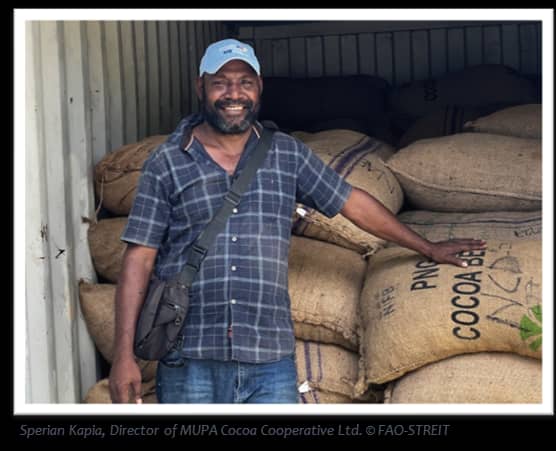
With support from the EU-STREIT PNG Programme and PNG Investment Promotion Authority (IPA), MUPA Cocoa Cooperative Society, which comprised of 240 farmers from two villages in Yuat LLG of Angoram District in East Sepik Province, established a business link with Queen Emma Chocolate Company.
Recently, they sent their first shipment of quality beans to the chocolate-making company, achieving a considerably higher market price.
Director of MUPA Cocoa Cooperative Ltd, Sperian Kapia said the company is paying a higher rate for their dried beans at K630 per bag, which is more than the average price offered by intermediary buyers.
Their first shipment consisted of 40 bags of quality dried beans, fetched an additional K4,000 into the cooperative’s bank account.
The EU-STREIT PNG Programme is working on improving the access of local agricultural enterprises to domestic and overseas markets.
This includes organising exposure visits to national and international agri-food trade shows, where the Sepik-based agripreneurs can learn, interact, identify potential buyers, and forge new business opportunities.
Kapia was one of the Sepik cocoa model farmers who participated in the International Food Service & Hospitality Exhibition in Singapore in August 2022, where he initiated the market link with Queen Emma Chocolate Company.
“It was there that Queen Emma Chocolate’s representatives showed interest in our cocoa and invited me to visit their factory in Port Moresby. We reached to an agreement to supply the company with our unique cocoa dried beans,” said Kapia.
Kapia said with these support, they were also introduced to a new potential buyer from New Zealand, the Pacific Cocoa 380.
“The EU-STREIT PNG Programme assisted us in freighting 20 KG of our cocoa dried beans to New Zealand, where they tasted our cocoa, and has shown interested in the quality.”
Kapia said they have agreed to buy 15 to 20 tons of cocoa dried beans from MUPA.
This premium price paid for dried beans and extra income generated at the cooperative level, allows MUPA and affiliated fermentaries to pay a higher rate for wet beans, extending the benefits to farmers at the grassroots level, who produce and supply wet beans to fermentaries.
“The usual price for wet beans used to be lower, around K1.4 per KG, but thanks to the direct connection formed with the premium buyers, we are now able to pay farmers at a higher price, at K1.7 per KG of wet beans, which is 21 percent above the normal rate,” Kapia explained.
“This helps the parents in my community to pay for their kids’ school fees, buy utensils for their houses, and food to improve family’s diets.”
“With this support and market arrangement that gives us more money, we can also continue to support our farmers in terms of social development; we have school and want to support it in terms of infrastructure and educational material, also our health care.”
This connection and access to market is something different and promising for our farmers,” Kapia said.
The opening of a US Agency for International Development (US AID) Office in Papua New Guinea is desired to improve public health care systems, responses to natural disasters and drive a sustainable economic growth.
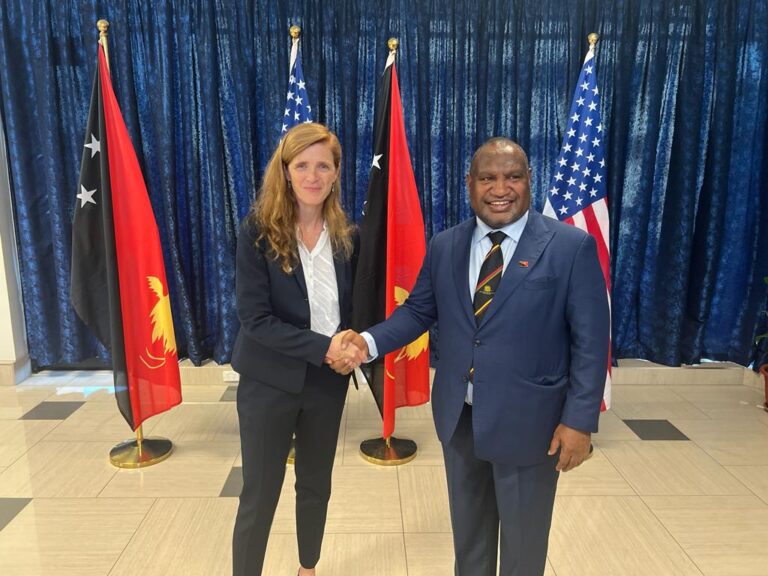
US AID Administrator Samantha Power who met with Prime Minister James Marape in Port Moresby announced an additional funding support of $5.2 million for disaster preparedness. Some of that funding will be used to provide relief assistance to the Mt. Bagana eruption in South Bougainville.
Ms Powers who is the first US AID administrator to visit PNG says the opening of a US AID Representative Office in country is a reflection of USA’s desire to build on the progress both countries have made since PNG’s independence.
“This fulfills President Biden’s promise from last year, and again, is a reflection of this deepened commitment to Papua New Guinea and to the broader region,” Power said.
Prime Minister James Marape said his government’s focus on a special relationship with USA is not just on politics or defence but in all sense.
Papua New Guinea’s Prime Minister James Marape meeting US AID Administrator Samantha Power.
“The presence of Ms. Power is to indicate to us the completeness of U.S. presence in our country is not just in security, or not just in government-to-government relationship, or security and defence cooperation, but in every aspect of our relationship with the USA,” said Marape.
The brief visit to Port Moresby focuses on recognising PNG build its own disaster response capabilities by creating disaster management plans, pursuing climate smart agriculture, and providing stronger protection for women and girls.
Power said the additional funding will go towards disaster preparedness to help communities become resilient “Recognizing that Papua New Guinea is one of the countries at highest risk of natural disasters in the world, US AID will provide $ 5.2 million in additional humanitarian assistance and assistance to disaster reliance in PNG,” Power said.
Regional Member for Bougainville Peter Tsiamalili Jnr on the timely assistance in relief efforts by foreign donors. This comes after the recent Mt Bagana eruption in South-West Bougainville.
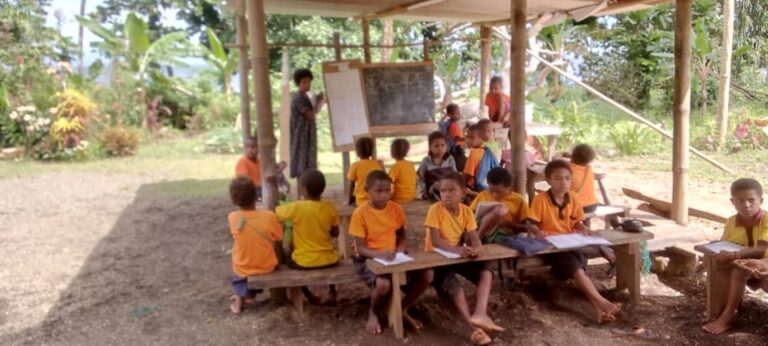
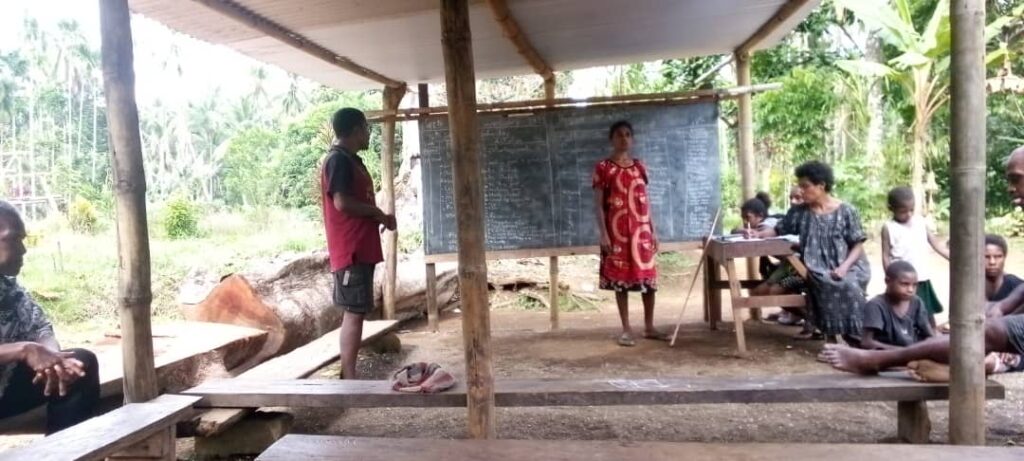
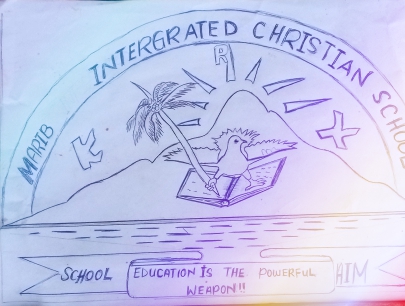
Marib Integrated Christian School is situated within ward 28 of Karkar LLG in Sumkar District of Madang province. The school proudly stands as a beacon of early learning, catering to young minds in their formative stages.
The genesis of this school revolves around the remarkable tale of Jacob Malau, a venerable figure hailing from Marib village. Fueled by a profound sense of duty, Jacob embarked on a mission to address the pressing educational needs of not only his village but also the neighboring communities.
In the words of Emma Malau, Jacob’s daughter, the daily journey to acquire knowledge is an arduous one for the local pupils. Every morning, these determined students embark on lengthy treks to school and back, enduring a tiresome routine that ultimately takes a toll on their enthusiasm for learning.
Emma Malau on her fathers (Jacob Malau’s) determination.
Emma Malau further elucidates that the initial fervor to attend school wanes as the academic year unfolds, dampening the students’ spirits due to the sheer distance they have to traverse. The consequences of this predicament are far-reaching, casting a shadow over the educational prospects of many young children.
A dearth of formal education leaves a void that is increasingly filled by negative forces, fostering an upsurge in criminal activities and law enforcement challenges within the community.
Undeterred by the scarcity of resources, limited knowledge capacity, and financial constraints, Jacob Malau summoned the collective strength of the community. In 2018, a transformative endeavor was realized – the establishment of Marib Integrated Christian School. The fruits of Jacob’s labor were borne out of his resolute determination to make a difference.
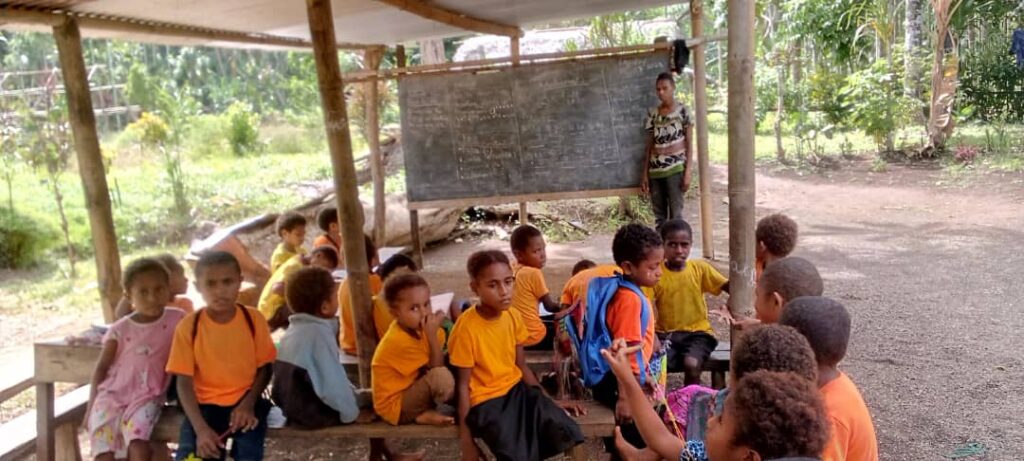
Currently, the school’s halls resonate with the joyous echoes of over a hundred students, aged 3 to 9, who have been embraced by its early learning program. A core focus of this curriculum revolves around the fundamentals of phonics, empowering young learners with the ability to decipher sounds, letters, and the art of reading and writing.
Jacob Malau’s journey exemplifies the power of an individual’s vision and determination to sculpt a brighter future for his community. Marib Integrated Christian School now stands as a testament to the transformative impact that one person’s dedication can have on the educational landscape. However, Jacob encounters several challenges in his endeavor.
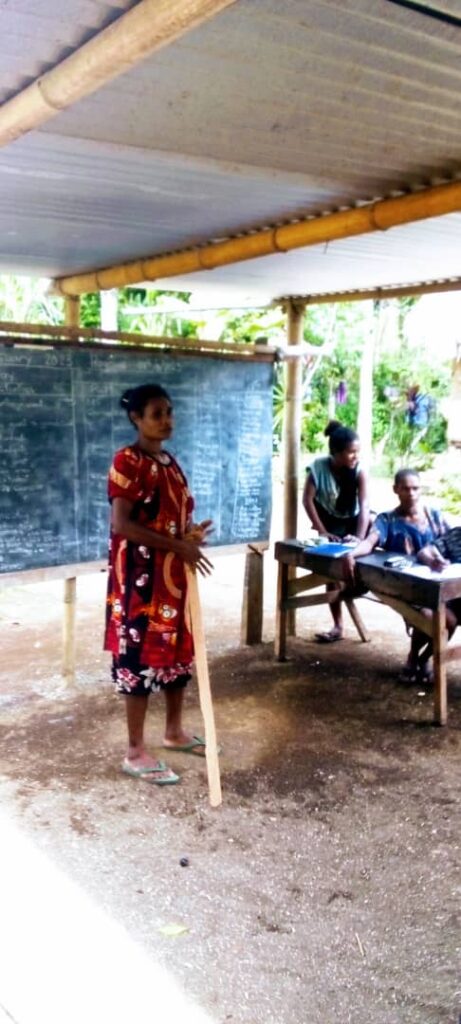
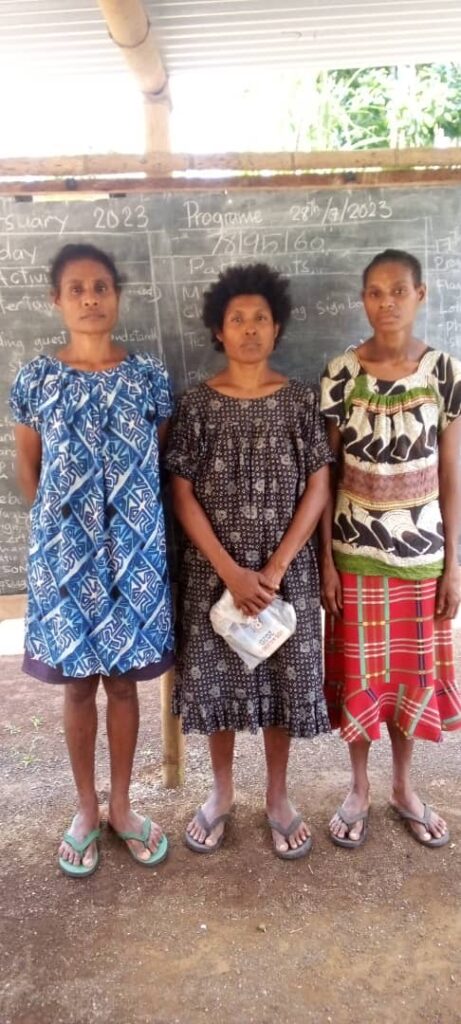
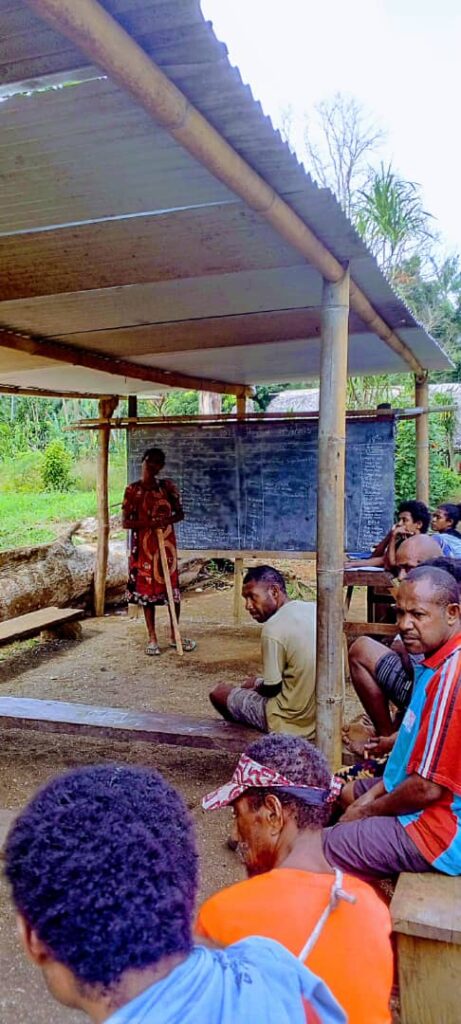
The classrooms where students gather remain incomplete, resembling open spaces furnished with only a handful of desks and a blackboard – the essentials for facilitating learning. One pressing issue is the absence of adequate fencing to enclose the school premises. This lack of boundary poses a security concern and adds to the array of challenges the school faces. Furthermore, the dedicated team of four educators and two assistants who work tirelessly to nurture the students’ growth are not compensated for their efforts. Jacob takes it upon himself to support these instructors and helpers through community-driven fundraisers, reflecting his commitment to the cause.
Nevertheless, the road ahead is not without its obstacles. One pivotal hurdle is the need for the school to be formally registered, a crucial step in gaining recognition from the education department. Jacob envisions a brighter future for the school, one where it stands as a legitimate and acknowledged institution.
In a heartfelt plea, Jacob’s daughter, Emma, advocates on her father’s behalf. She earnestly appeals to donors, NGOs, churches, and even governmental bodies to extend their helping hand. The objective is clear: to fortify the school’s foundations, ensure fair compensation for the dedicated staff, and ultimately secure the recognition that the school rightfully deserves.
Currently, Emma is engrossed in a two-week training program focused on participatory community journalism, hosted at Alexishafen. Her purpose in undertaking this training is to contribute her newfound knowledge toward tackling some of the obstacles that Marib Integrated Christian School encounters. The training’s core objective is to foster endogenous development within the community. As part of this initiative, a group of 30 participants hailing from diverse backgrounds such as Community Based Organizations, civil society groups, and church associations within Sumkar District are benefiting from the training’s insights.
During the initial week of the program, participants were equipped with the skills and knowledge necessary to establish their own community-based organizations. Guided by the 4-P communication strategic plan, they also delved into the realm of utilizing Android phones as tools to capture stories on film. Armed with these newfound skills, participants are poised to chronicle the endeavors and initiatives unfolding within their communities. This documentation prowess serves a dual purpose: it aids in generating a comprehensive record of community efforts, and it facilitates the creation of compelling proposals tailored for small grants from potential donors. These grants, in turn, will be channeled into funding small-scale community projects that cater to the distinct needs of each respective community.
An important note is that this intensive two-week training initiative has been made possible through the support of the Lukautim Graun Program, underscoring the significance of collective efforts and external backing in driving positive change at the grassroots level.
The Waigani National Court today declared Jason Peter as sitting MP. He was declared as the Member elected for Huon Gulf District. This follows a Election Petition filed by former MP, Ross Seymour. Jason Peter will continue his role as the Minister for Community Development, Youths, and Religion.
Huon Gulf MP, Jason Peter said, “I thank God our heavenly father for this victory. God himself have plans for me before I was chosen as your MP.” He further said, “I would like to express my deepest appreciation to my Hausman boys of West Taraka and Salamaua LLG “Ol Yapmarn” Morobe LLG and Wampar LLG Rural and Urban with each and every one of you who believed in me and supported me throughout this challenging process. Your unwavering support and trust in my abilities have been pivotal to achieving this victory. Thank you for your constant encouragement and for placing your faith in me to represent your interests.”
The MP also extended his appreciation to his legal team who worked tirelessly to present their case convincingly. “Your dedication, expertise, and attention to detail played a crucial role in the success of this election petition.”
The Minister further acknowledged his opponent, Former MP Brian Ross Seymour. “While we may have had differing views and campaigned on different platforms, I appreciate his participation in this democratic process. I believe that healthy competition fosters robust discourse and ultimately benefits our community.” Jason Peter said the District will now focus on serving the people of Huon Gulf. “I am fully aware of the challenges that lie ahead, and I wholeheartedly accept the responsibilities that come with being your elected representative and Minister. I pledge to continue advocating for your needs and aspirations, working towards creating a better future for all.”
The MP urged everyone in their community to unite and work together, irrespective of political affiliations, to ensure the district’s progress and redevelopment. “Let us put aside our differences and unite in pursuing common goals, fostering harmony, and uplifting the lives of our fellow citizens.”
People’s National Congress Party Leader, Peter O’Neill has formally announced the passing of Gabriel Kapris, the member for Maprik.
Kapris a member of the PNC Party died over the weekend in Port Moresby. He was re-elected into parliament in 2022 and served until his passing on 12th August 2023.
He first entered poltics in 2002 and reamined a popular leader for his district taking on several port folios as minister for Commerce and Industry and Works and Implementation.
The news of Kapris’ passing comes at a time, the people of East Sepik are gearing up to vote for a new member fo Wewak Open.
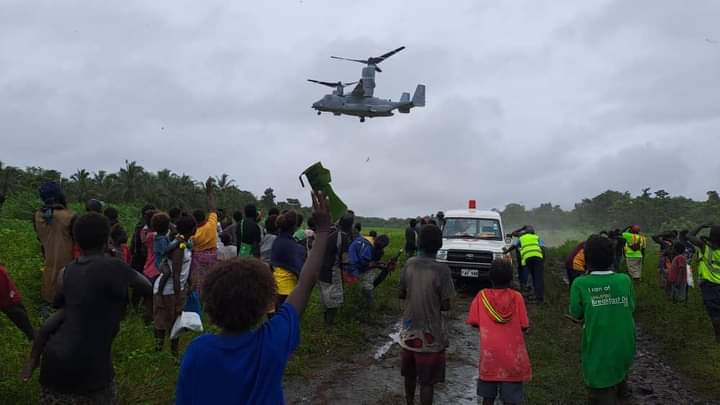
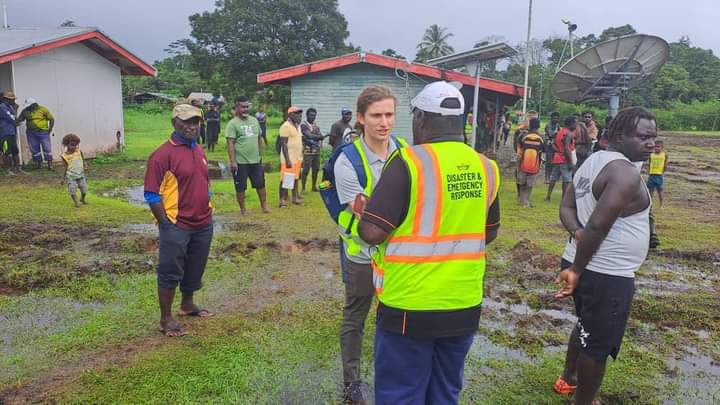
More relief assistance is reaching villages on Bougainville island affected by the Mt. Bagana eruption on 7th July 2023.
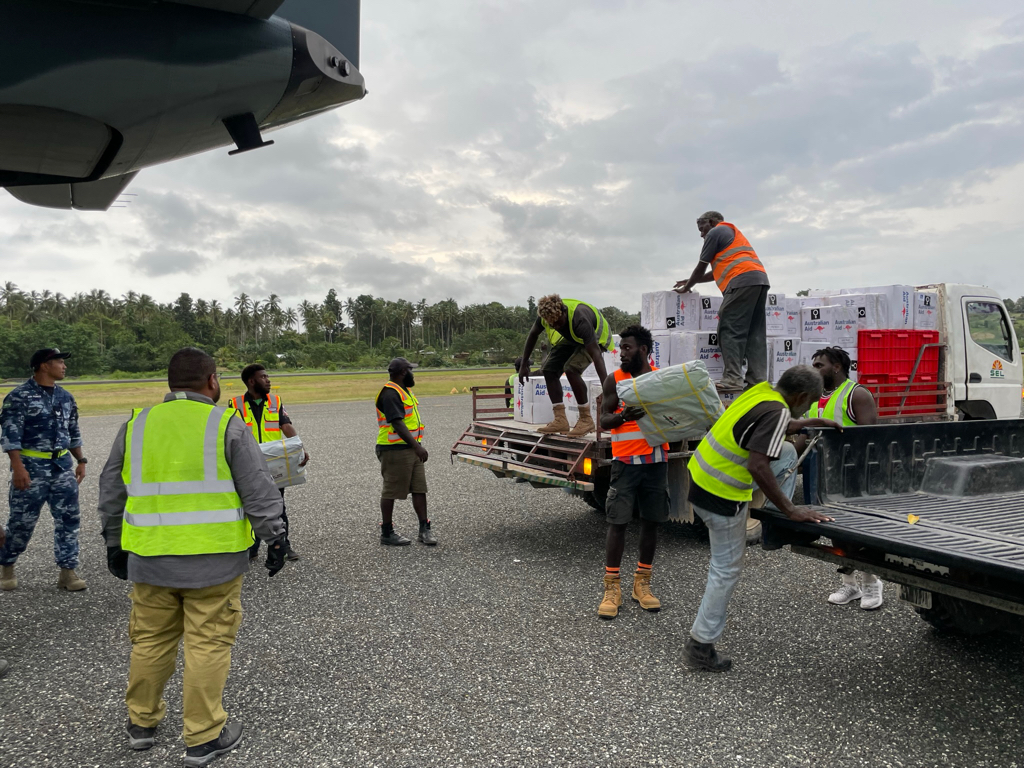
Yesterday the US Army airlifted the first load of relief supplies into Torokina District, three weeks after the eruption.
Through the US Agency for International Development (US AID), $ 200, 000 was injected into the International Organization for Migration (IOM) to support the humanitarian response.
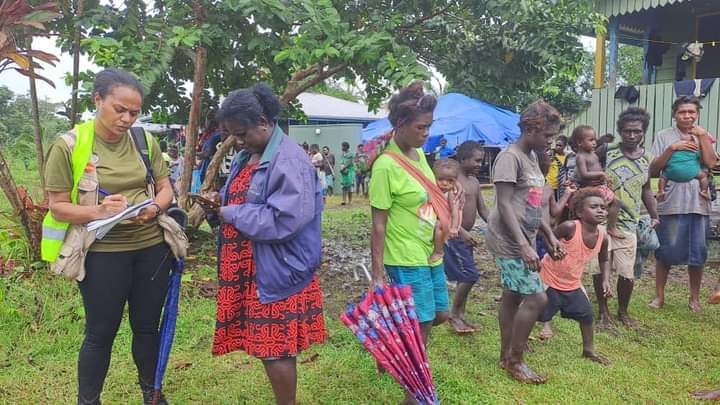
IOM is leading the camp management at the declared care centers at Piva and Wakunai. Two new care centers were also declared for locals in Panguna and Kunua Districts.
With most of the water source considered unsafe for drinking, the Australian Government through the Australian Defense Force had supplied water purifying tablets.
An ADF aircraft landed in Buka on 10th August 2023, carrying with it shelter and hygiene kits.
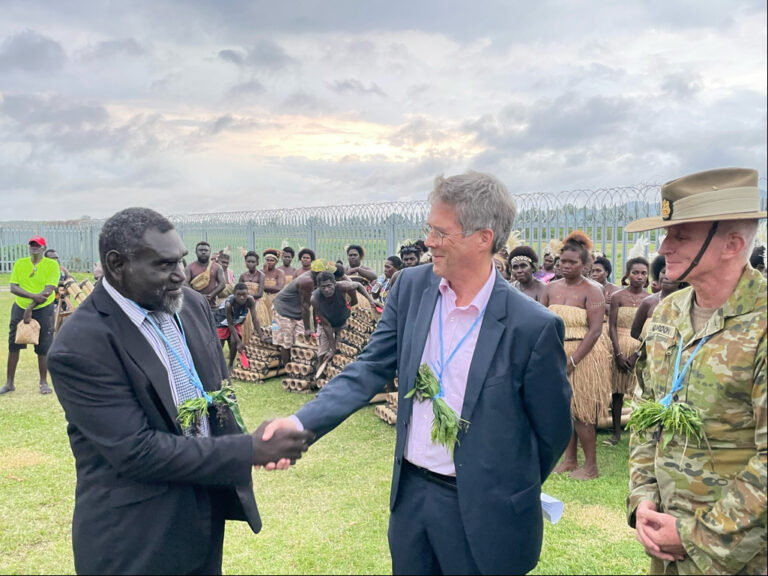
Australian High Commissioner to PNG, Jon Philp who who flew in with Australian Defense Advisor, Colonel Travis Gordon on at the ADF aircraft C-27 handed over the supplies to Bougainville President, Ishmael Toroama.
“This support demonstrates the strength of our commitment to cooperation and friendship particularly in times of need,” said Commissioner Philp.
The New Zealand Government is assisting in this humanitarian response through collecting and testing of water samples for drinking.
Last Wednesday, a Papua New Guinea Defense Force Naval Vessel sailed into Bougainville for the first time after 23 years.
All these responses by the National Government and international partners come after a request by the Autonomous Bougainville Government to assist more than a 1000 people displaced by the eruption.
Mt. Bagana is an active volcano located on South-west of Bougainville.
While no deaths were reported, the ash fall and lava that flowed into river systems and food gardens have affected several other villages in Central Bougainville.
Rotary International is an international organization founded on principles of truth, fairness, goodwill and better friendships and operates around the world for its humanitarian courses. The organization has been in Papua New Guinea since 1967 through various rotary clubs.
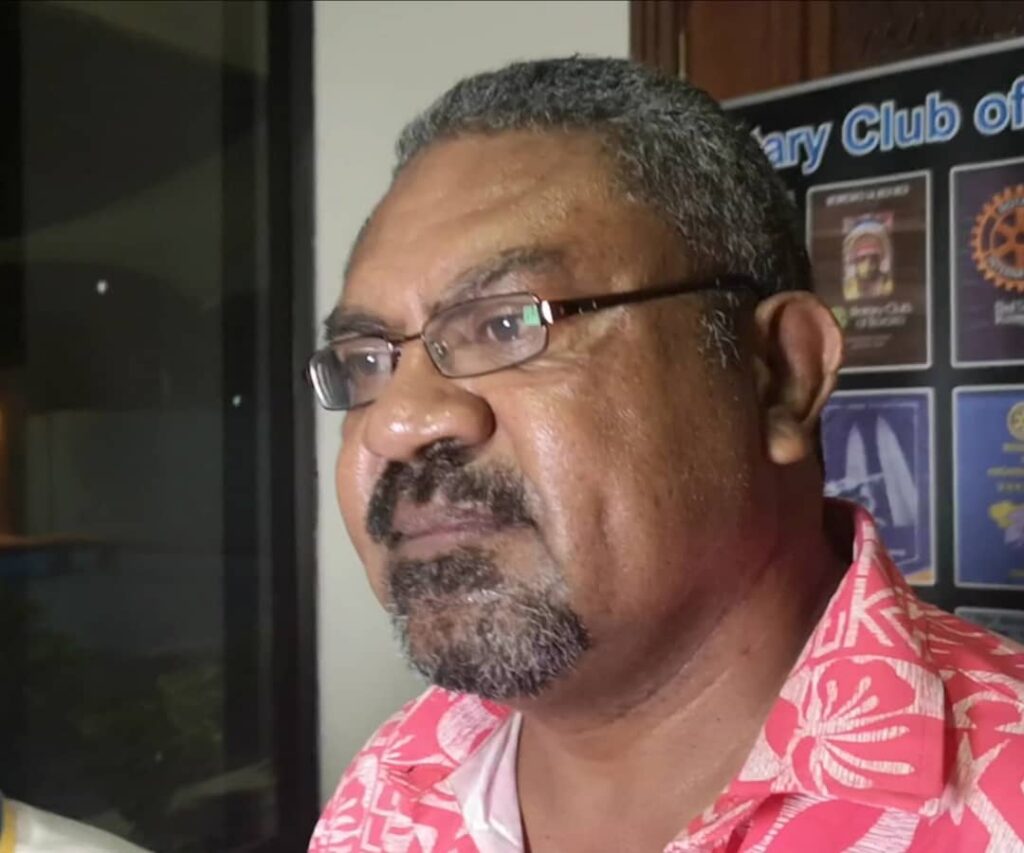
One of these clubs is the Boroko Rotary Club. The organization recently elected president Stanley Arua [2023/24] who takes over from Joselito Tubon. The position of the President is a one-year tenure and Stanley says this is a big shoe to fill following on from his predecessor.
Stanley Arua works in the Prime Minister’s Department as Director Works & Infrastructure in charge of Connect PNG Policy while his services with Boroko Rotary Club is voluntary, helping to better the lives of ordinary Papua New Guineans. Mr Arua, 51, is a entrepreneur, teacher, diplomat and a career public servant.
Stanley Arua President Elect of Rotary Club Boroko
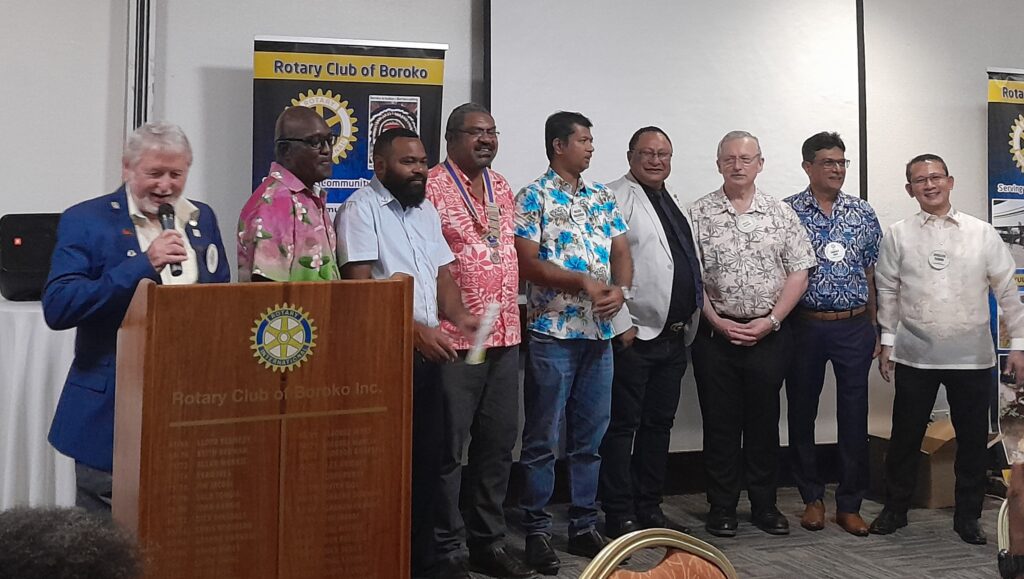
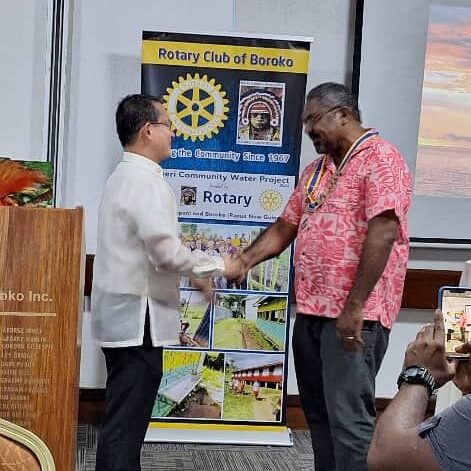
Recently (July 29th 2023) the Boroko Rotary Club held a dinner to hand over the reign from Joselito Tubon to Stanley Arua. Held at the Crowne Hotel in Port Moresby it was also a night to showcase what the Club has done and is doing to honor community obligations, present financial report and as always a fun night of fund raising.
Handover takeover of Rotary Club Boroko Presidency by Joselito Tubon (Left) to Stanley Arua (Right)
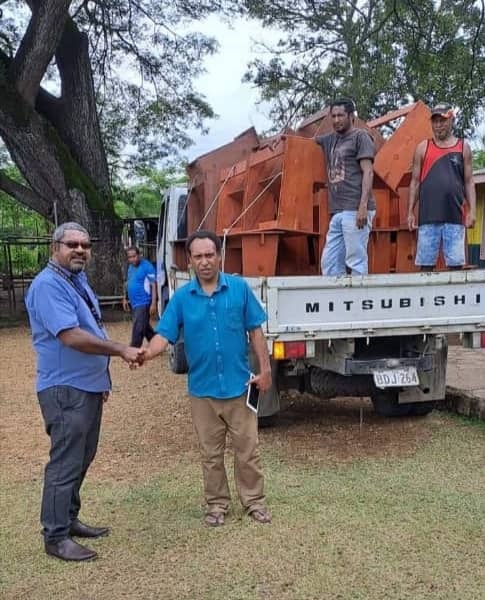
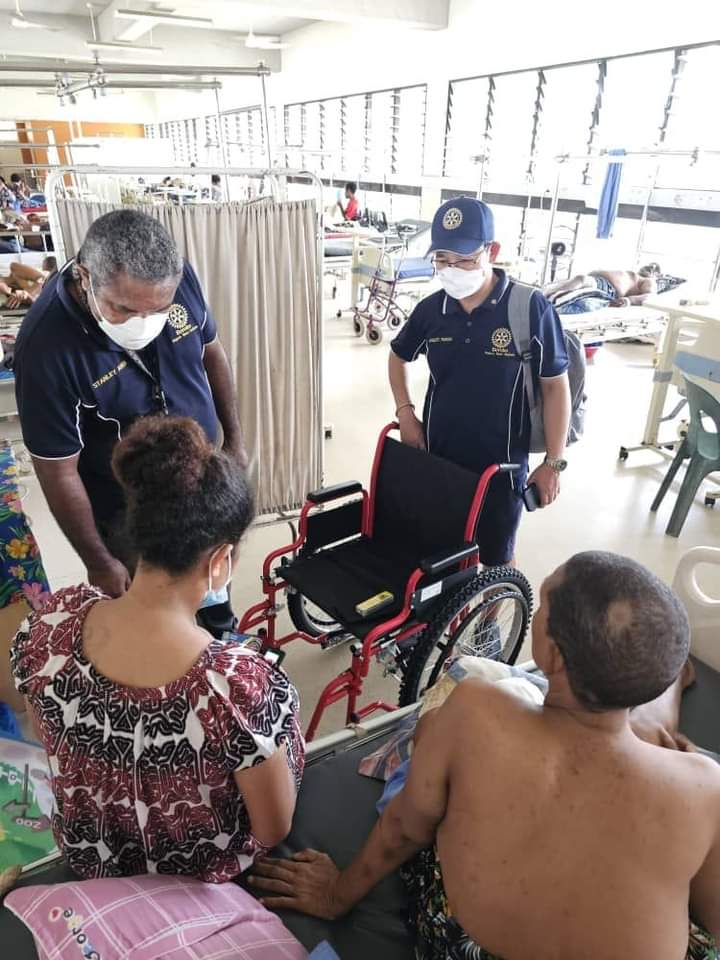
Funds are raised through various donations from business houses which are then channeled through to charitable causes. The club has helped communities and individuals in need of basic necessities in health, and education. From wheelchairs to hospital beds, birth kits, reading glasses and books, these donations bring a sense of gratitude and happiness to recipients. Major projects include donation of school desks to a number of schools in Port Moresby and Central provinces, Sogeri Community Water project and the Yule Island Water project where villagers have been supported with four 10,000 liter tanks to help them access clean water. Another initiative, the Teacher in a Box Project server is specifically designed to function without internet connectivity instead provides a Local Area Network (LAN). This facility is beneficial to rural villages and 3 primary schools in Central Province have been identified as recipients.
Reflecting on the achievements of the club, Past President Joselito Tubon thanked the executive members of his team that made significant achievements in community service while the new President has vowed to continue the good work and also to combat climate change within the coastal communities through seawall projects. He also echoed the words of Rotary International President Gordon McInally urging members to promote peace in troubled nations.
The European Union-funded STREIT Programme in Papua New Guinea is spearheading a program in order to build the capacity of farmers at digital literacy, e-agriculture, and agri-meteorology services in the Sepik region of Papua New Guinea.
The program is primarily focused on empowering farmers by introducing them to important digital tools and knowledge to transform the agri-food business practices; and enhance farmers’ resilience to climate change.
The Sepik region is known for its fertile lands and vibrant farming communities, however, there is a lack of access to digital resources and skills there.
The International Telecommunication Union (ITU) has recognised this challenged and has in part of the EU-STREIT PNG Programme, is bridging the digital divide by building the capacity of lead farmers in various aspects of digital literacy.
Some of which include the effective use of smartphones and mobile applications, and other digital resources to enhance agricultural practices, market access, and decision-making capabilities.
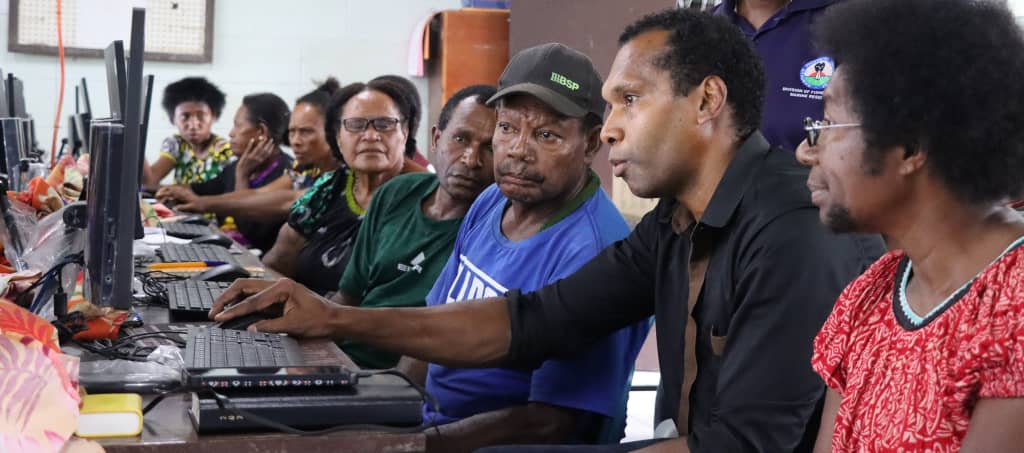
Recently, ITU organized two intensive workshops in Vanimo, West Sepik Province and Maprik in East Sepik Province, pulling together 74 lead farmers and agri-food business actors.
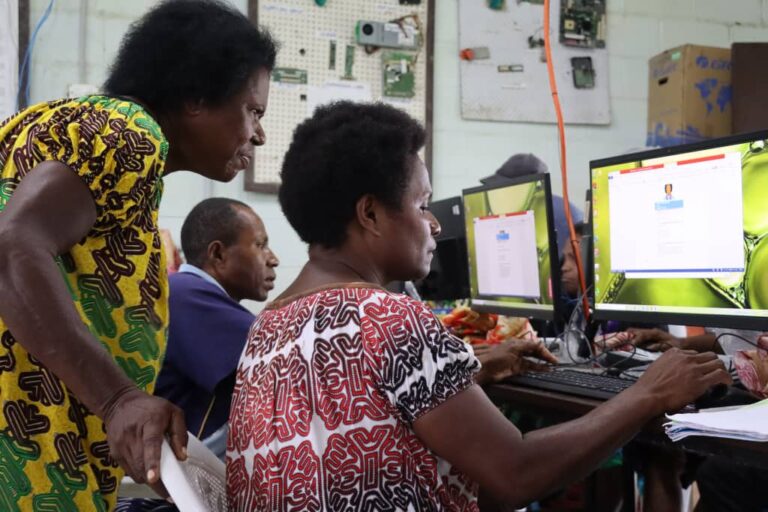
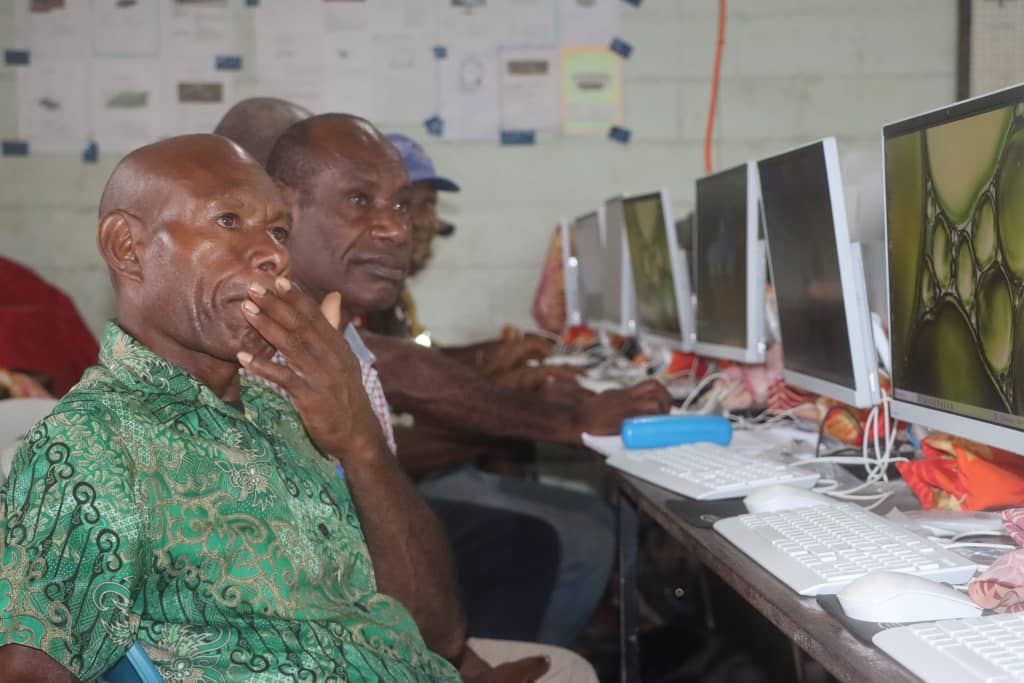
The training program, conducted in collaboration with local partners, provided lead farmers with hands-on experiences in various digital applications tailored to the agricultural context.
Farmers were taught basic computing skills, including Word Documents, Spreadsheets and Presentations, Communication processes using Computers and Smartphones; and the use of social media tools in content creation, information sharing, e-marketing, and mobile payment.
The training also improved their understanding of agri-meteorological tools and services and their capabilities.
William Ripai is the Chairman of KISE Cooperative Society in the Aipate Lumi District, who participated in the training held in Vanimo.
He said, he is fortunate to participate in this training program.
“I’m fortunate to learn basic internet and computer skills that will support my group to market our produce to potential buyers.” Ripai said.
Angela Passingan, a former teacher and Chair Lady of BAMA Women’s Group of Ulau Village in Aitape-Lumi District, also assisted in training the Farmers.
She was exited to see local farmers learn about computer and internet for the first time.
“A male farmer was not confident to touch the computer mouse, but I felt really happy when he did on the second day.”
As part of the EU-STREIT PNG Programme, 10 resource centres equipped with PCs and VSAT internet connections are being established across the Sepik region.
This will provide farming communities with reliable access to the internet, capacity-building digital skills trainings, and digital services, including e-marketing.
The ITU-STREIT Project Officer, Kanagat Alyshbaev, emphasised the transformative power of digital skills in agriculture.
“By building the capacity of lead farmers in digital skills, we are unlocking the potential for innovation and growth in the agricultural sector, including agribusiness activities. This initiative represents a crucial step toward achieving sustainable and inclusive development in the Sepik region.”