
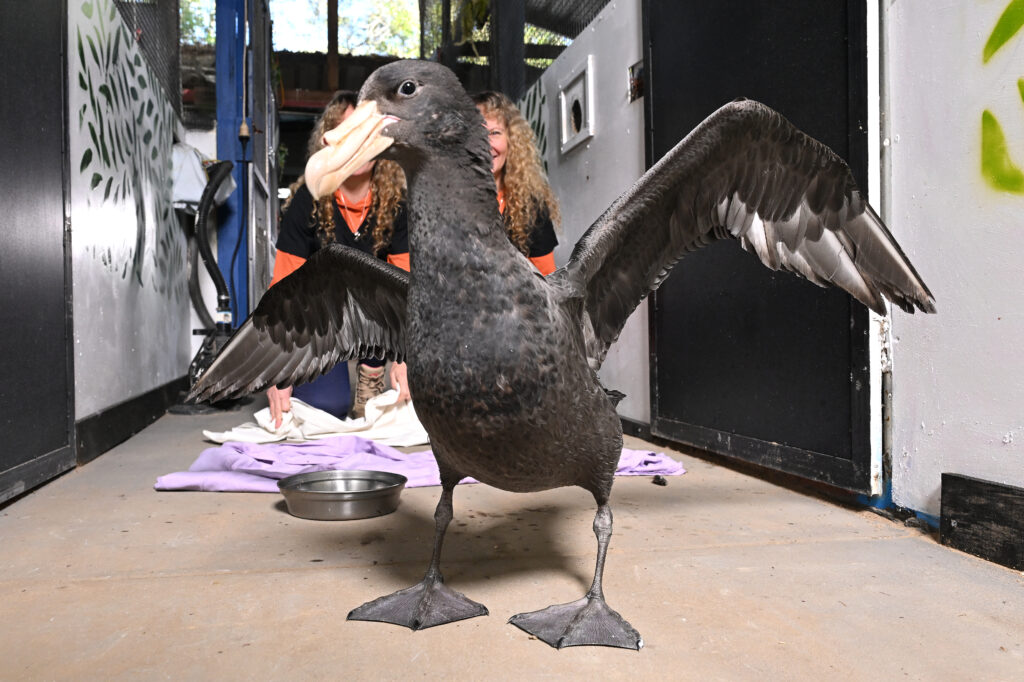
For the first time, the deadly H5 bird flu has made its way to the Queensland coastline. This development comes as the number of confirmed cases in wild seabirds across the country rises to 17, triggering urgent alerts to protect vulnerable animal populations.
Authorities at the Queensland government’s Biosecurity Sciences Laboratory confirmed that a dead petrel discovered on Moreton Island tested initially positive for the highly pathogenic H5 avian strain.
Following this initial discovery, officials dispatched samples to the CSIRO Australian Centre for Disease Preparedness to undergo official verification.
Dr Carol Booth, Policy Director for the Invasive Species Council, stated that the appearance of the H5 virus in Queensland ought to worry anyone invested in Australia’s native fauna.
“Bird flu has now reached Queensland’s coastline, and that should concern every Australian who cares about our wildlife,” Dr Booth said.
“We can’t stop this virus, but we can boost the capacity of wildlife to survive and recover from outbreaks.”
Australia documented its inaugural H5 bird flu case on June 20. The tally now stands at 17 verified instances of the severe H5 strain among wild seabirds, consisting of 10 in Western Australia, five in South Australia and two in New South Wales.
Dr Booth said ongoing monitoring initiatives were proving effective, though she cautioned they would lose their shield once the pathogen spreads to at-risk species.
“Finding cases is only the first step – once this disease reaches vulnerable wildlife populations, surveillance won’t prevent the devastating impacts we’ve seen overseas,” she said.
“Millions of wild birds and marine mammals have died, and unless we do everything we can to strengthen the resilience of at-risk populations, there’s every reason to fear Australia could face similar losses.”
Data from the Department of Primary Industries indicates that Queensland currently has zero cases within commercial poultry flocks and no reports of mass animal mortality events.
Primary Industries Minister Tony Perrett stated that consuming chicken meat and eggs remains entirely secure.
“It is safe to continue to eat chicken meat or eggs, and I would encourage Queenslanders to purchase these products as they normally would,” Mr Perrett said.
Dr Allison Crook, Queensland’s Chief Veterinary Officer, explained that the preliminary positive outcome was expected and that the region maintained a strong state of readiness.
“We have known that a H5 bird flu detection in Queensland was a matter of when, not if,” Dr Crook said.
“This suspect positive result has not impacted our poultry sector or native wildlife and we are continuing our enhanced passive surveillance program throughout the state and would encourage the community and industry to continue to be vigilant.”
Dr Booth pressed forward with her appeal for the federal administration to fund a comprehensive ‘wildlife resilience’ initiative, designed to help native species endure the threat of bird flu alongside other environmental pressures.
“We are urgently calling on the Albanese government to invest $200 million in a wildlife resilience package that would reduce the other pressures pushing vulnerable species towards extinction,” she said.
“These are practical, no-regrets investments that will help wildlife withstand bird flu while also making Australia better prepared for future disease outbreaks and other environmental threats.”
Government officials and conservation groups continue to call on residents throughout Queensland and neighboring regions to maintain a high level of watchfulness.