



Australia’s poultry industry is on high alert after the nation’s first mainland detection of a deadly bird flu stain that could devastate the sector.
The H5N1 variant of the virus was confirmed in a sick brown skua found on a remote beach near Esperance in Western Australia, about 700km southeast of Perth.
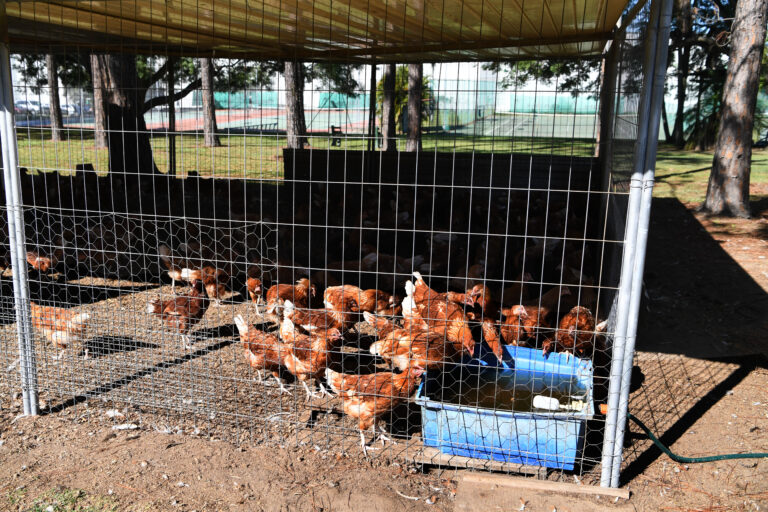
Esperance Poultry Association president Gavin Millard said local growers and backyard bird owners were shaken by the detection and had already moved to tighten precautions.
“Everyone’s quite shocked with the discovery of it,” he told AAP.
The association has cancelled a poultry show planned for July and is urging owners to restrict bird movements and reduce contact with wild birds.
“There are a lot of people throughout the Esperance district and town especially who have got backyard chooks,” Mr Millard said.
He said the local poultry industry could be “bloody devastated” by an outbreak in chickens, adding it could also decimate hobby flocks.
The discovery has fuelled fears among scientists, conservationists and agricultural groups, who point to mass mortality events and species-level population reductions in overseas outbreaks.
Associate professor Sanjaya Senanayake, an infectious diseases specialist at the Australian National University, said it was significant that the infected bird was not found near poultry farms.
But he warned the consequences could be severe if future infected birds arrived near commercial or backyard flocks.
“If the next incursion of an infected wild bird is close to domestic poultry farms, then the consequences could be devastating,” he said.
University of Melbourne researcher Michelle Wille said Australian authorities had been preparing for a worst-case scenario, but international examples painted a gloomy picture.
“Everywhere this virus has emerged has been really catastrophic, with mass mortality events in wildlife, and in some places, we’ve seen species-level reductions in population,” she said.
Industry impacts have also been significant, she said, noting more than 200 million chickens had been culled in the United States since the virus arrived there.
Australia has been preparing for the arrival of H5N1 for years as the only continent yet to be impacted by the strain.
The federal government has developed more than 100 response plans for key sites and vulnerable species and invested about $100 million in preparedness.
Agriculture Minister Julie Collins said the arrival was disappointing, but not unexpected given the strain’s global spread.
There was no evidence of infection in poultry or the agricultural industry, the government said.
But a second migratory bird, a giant petrel, has also returned a suspected positive result.
The strain was previously detected on Heard Island in October, where an estimated 13,359 southern elephant seal pups died.
Many threatened species are also likely to be susceptible as the deadly strain would compound risk factors driving them towards extinction.
Wildlife groups including the Invasive Species Council and the Australian Marine Conservation Society have urged the government to boost funding to $200 million for two years.
The public has been urged to avoid but report and record sick and dead birds and marine mammals to the emergency animal disease hotline.
Calls had been coming in since Friday afternoon, West Australian Agriculture Minister Jackie Jarvis told reporters on Saturday.