Author

Kila Wani

Browsing

Regional journalism just gained a steady and experienced new leader.

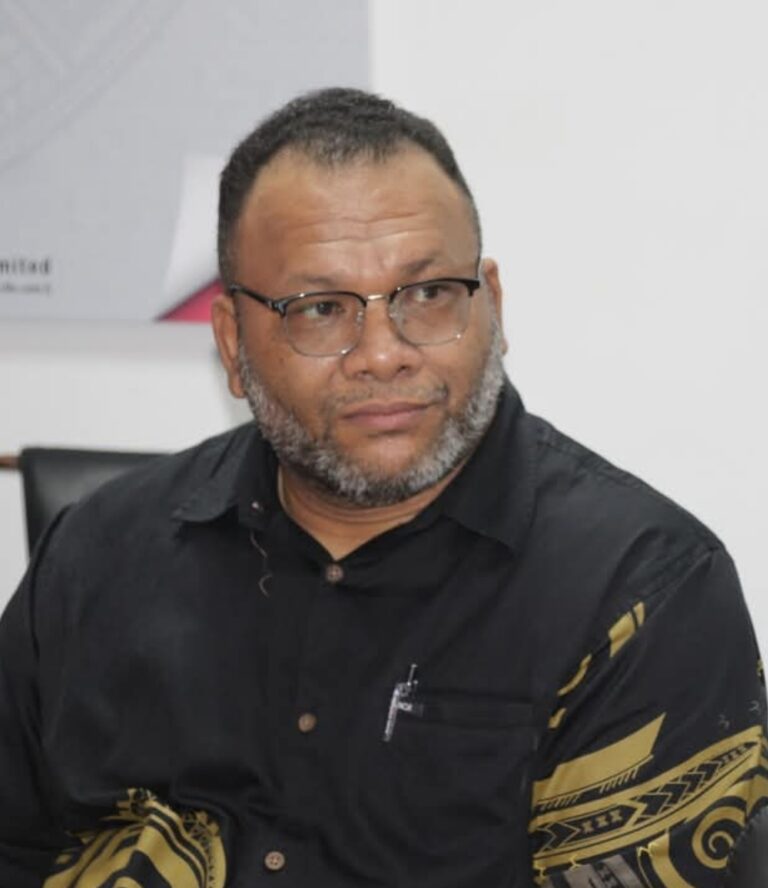
Media Council of Papua New Guinea President, Neville Choi has been elected as the new President of the Pacific Islands News Association (PINA).

Choi’s path to the top regional post has been steady. He first attended the PINA summit in Niue back in 2024, where he was appointed to the board as a representative for media associations in the region. Following that appointment, a short but stint working with the Pacific Media Assistance Scheme (PACMAS) saw Choi delivering training and advice in Vanuatu and the Solomon Islands, where he met with local media associations and worked alongside fellow Melanesian and Polynesian journalists. His regional outreach also included hosting a delegation from the Media Association of Tonga in the capital city of Port Moresby.

For journalists across the Pacific, his appointment is timely and significant. Across the region, media workers recognize that Papua New Guinea has been leading the way in proving that governments and media sectors can work together constructively without compromising the truth.

Choi didn’t inherit an easy job when he was first appointed president of MCPNG in 2017. Alongside Co-Executive Vice President, Gregory Moses and Secretary Belinda Kora, he has been instrumental in rebuilding the Media Council of Papua New Guinea.

Under their collective watch, the council reviewed its constitution and updated the Journalism Code of Ethics to keep pace with modern realities. They brought in crucial training programs for PNG journalists with the help of partners, introduced the PNG Media Summit, brought back the Media Awards on Media Freedom Day, and successfully revived the National Press Club, giving the people and the press a platform to celebrate excellence and ask the hard questions.

Now, Choi takes that same boots-on-the-ground experience to PINA, representing media professionals across more than 20 Pacific nations. As newsrooms across the islands face pressures from digital shifts to economic hurdles, he steps into the regional spotlight with a proven track record of strengthening institutions, protecting standards, and safeguarding the independence of the free press.

He takes over the regional leadership from veteran Tongan journalist, Kalafi Moala, who was voted in as PINA president in Niue in 2024 and served a dedicated one-term tenure. With Choi’s election, PNG returns to the helm of the regional body, bringing back a presidential post that, before Moala, was previously held by the Managing Director of Papua New Guinea’s National Broadcasting Corporation, Mr. Kora Nou for three consecutive terms.
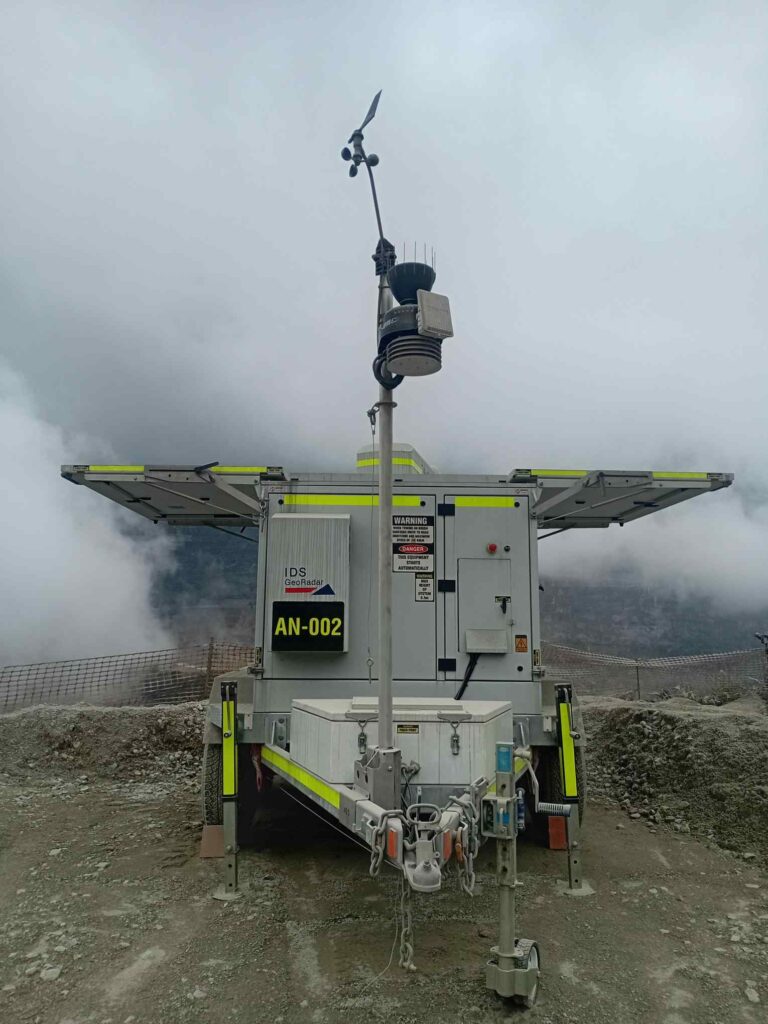

OK TEDI Mining Limited has become the first mining company in the world to deploy the new ArcSAR Neo slope stability radar system after successfully commissioning two units at its Western Province mine.

The system, developed by IDS GeoRadar, a Hexagon company, is described as one of the most advanced slope monitoring technologies available.

In a statement, Ok Tedi said the deployment marks a major step forward in how it monitors and manages pit slopes.

According to the company, the ArcSAR Neo provides clearer ground imaging, can continue monitoring even during network interruptions, and automatically repositions itself after being moved for blasting – features critical for Ok Tedi’s deep and narrow pit operations.

The mine, which operates in one of the highest rainfall areas in the country, has faced long-standing challenges with water ingress and signal interference affecting older radar systems.

Ok Tedi said since commissioning, the new radar has shown significant improvement in data quality and reliability.

Its advanced processing and monitoring software reduces interference from atmospheric conditions and signal distortions, resulting in fewer false alarms and more accurate slope stability assessments.

The enhanced resolution now allows the mine’s geotechnical team to detect very small ground movements at an earlier stage, enabling risks to be identified and managed proactively.

“This capability strengthens our ability to maintain safe, productive and efficient mining operations while effectively managing geotechnical hazards,” the company said in its statement.

The system is built to withstand harsh conditions and includes durability improvements to address historical issues such as water entering the mine’s slope system.

It is now being operated and maintained by trained and certified Ok Tedi technicians, with ongoing technical support from IDS GeoRadar specialists.

Ok Tedi said while its previous ArcSAR systems have served the operation reliably for many years, the Neo introduces a new level of precision, reliability and operational value.

The company will continue to assess the long-term performance of the technology under site conditions and integrate its data into its broader geotechnical risk management strategy, along with further training for its technical personnel.

The successful deployment, Ok Tedi said, reinforces its commitment to using innovative technology to improve safety, boost operational performance and support sustainable mining for the future.

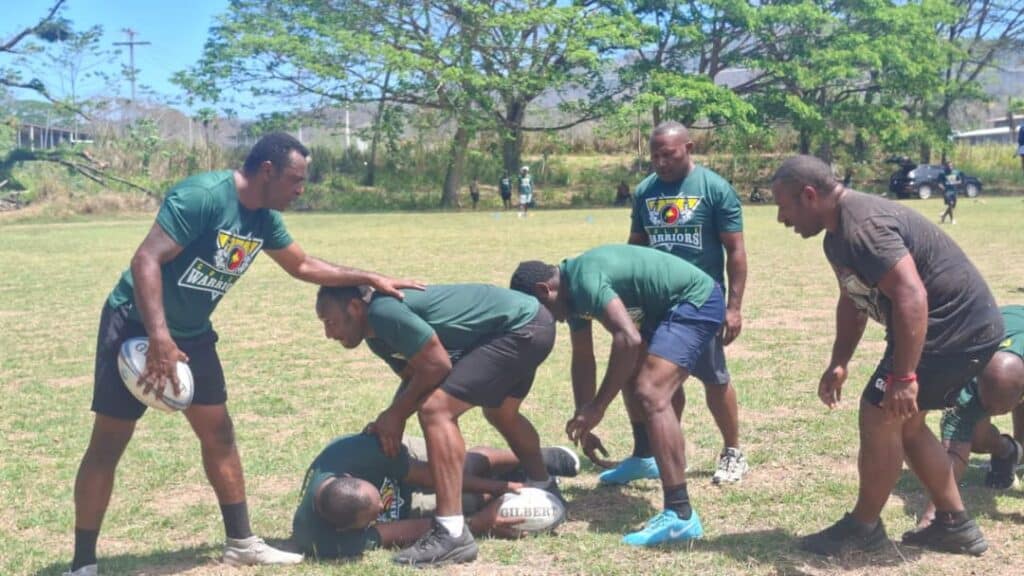
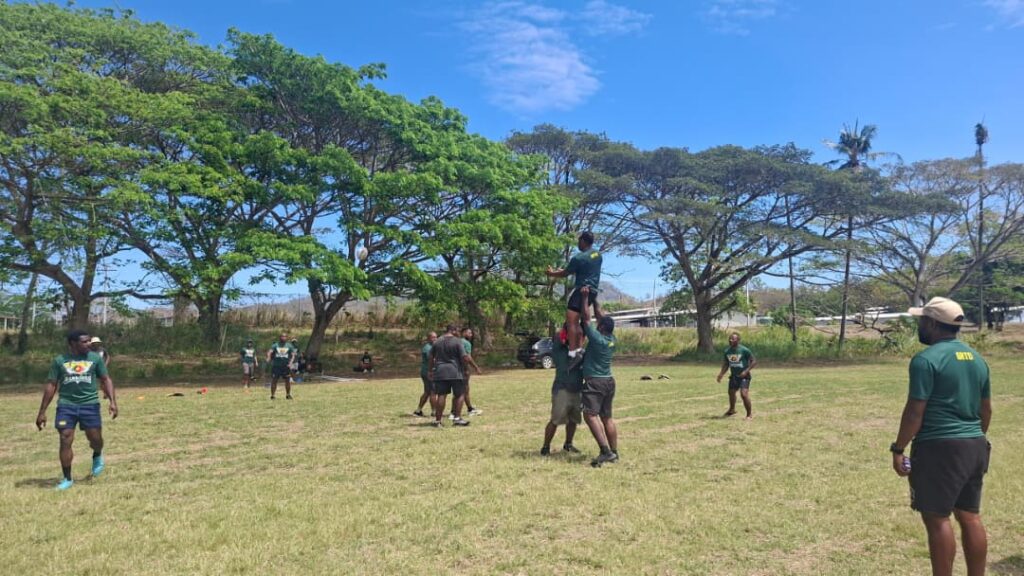
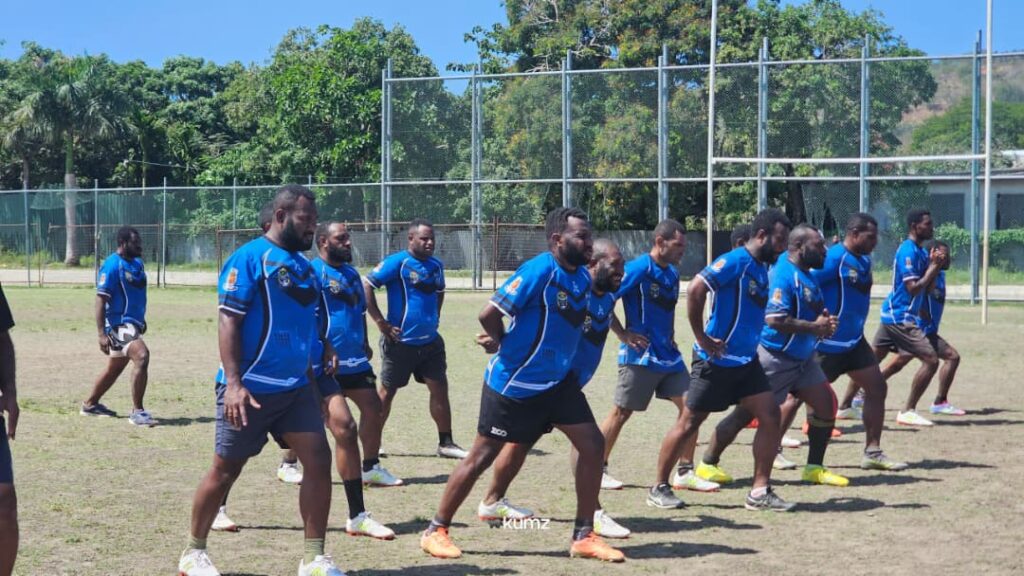
Supplied Image: Goldie Warriors in training.

Team: Goldie Warriors 

Unit Base: Goldie River

The 2026 Commander’s Cup kicks off today with the first set of matches for the Port Moresby Units.

As continuation of Inside PNG’s Coverage of the Commander’s Cup Challenge, here is a Q and A session with the Goldie Warriors team from Central Province. 

Question: Tell us about yourself and what role you play in the GRTD Team taking part in the Commander’s Cup for 2026.

A: My name is Joshua Haro, I am a Lieutenant or Lt. for short. I am currently acting as Officer Commanding Admin Company in Goldie River Training Depot. In reference to CDF Cup 2026, I am playing the role of Team Manager for Goldie Warriors.

Question: The Goldie River Training Depot is where all soldiers start off their basic military training. Tell us more about the importance of the unit and the role it plays in the PNGDF. 

A: Yes, the Goldie River Training Depot is the Training Unit for the PNGDF. Located just after Laloki in the Central Province, the two main roles or functions of the Training Depot is to traim new recruits for Basic Soldiering and Train and Qualify Soldiers in their specialist field or area of responsibilities.

For example, Basic Field Engineering Qualify, Basic Reconnaissance Course Qualify, Corporal Qualifying course to become Section Commanders in Infantry Companies, Seargent Qualifying Course to become Platoon Sergeants in Infantry Company and many other Specialist roles within PNGDF.

Question: How did Goldie Warriors get its Unit name and what is the team made up of? 

A: Interestingly in the late 1980’s and early 1990’s, the Unit was called “Goldie Maganis” and later changed to “GOLDIE WARRIORS” when the Warrior Wing was established by the US ARMY as the School of Infantry. 

Goldie Warriors is made up of Private Soldiers, Non-Commissioned Officers, Senior Non-Commissioned Officers and Commissioned Officers. Mostly Instructors at Goldie River Training Depot.

Question: The games begin this week, but how were the Warriors preparing for the Commander’s Cup? 

A: Pretty similar to what other units have done, The Warriors players have been very committed in their training.

Question: What is the good thing about the Commander’s Cup? 

A: The best part is when all PNGDF units come together on the field, showcasing their pride in representing their respective units. We have been talking about the Commander’s Cup Challenge, and the time has finally arrived for the games to be played. 

Question: How does it feel representing your unit in the 2026 CDF’s cup? 

A: I am proud to be representing Goldie Barracks because as the unit Motto say’ Home of the Soldiers – It All Starts Here.

All soldiers have passed through Goldie so really Goldie is like a mother unit. It is the one unit that all soldiers come to begin their careers before they are posted to other nine PNGDF Units. It is the unit that create long-lasting comradeship and lifelong friendship. 

Question: Is there a specific unit Goldie Warriors is looking to challenge? 

A: No, not really. We are looking forward to having a fair and competitive game with the other units. We don’t have a specific unit we see as rival unit.

Question: What placing did Goldie finish off in 2023? 

A: The Goldie Warriors finished off in the 5th place in 2023 and we’re looking forward to improving that this year. 

Question: Any last comments you would like to make? 

A: We are looking forward to the competition for this year. We look forward to our first game and May the Best Team win. “GO GOLDIE WARRIORS”

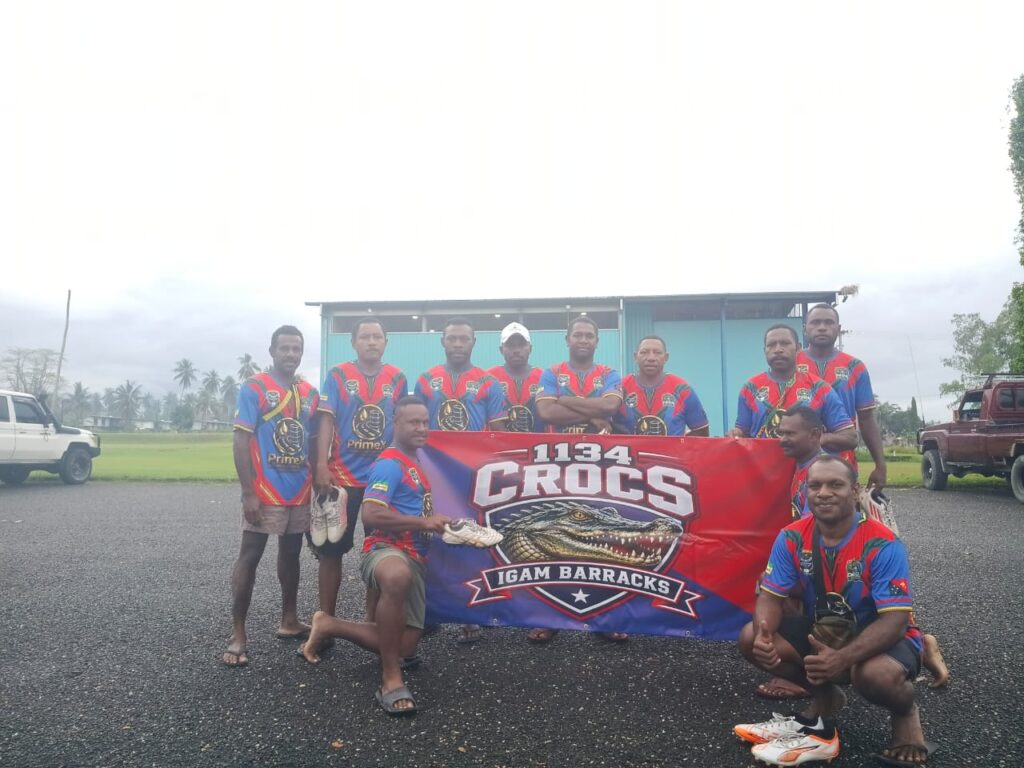
Supplied Image: The 1134 Igam Crocs.

Team Name: 1134 Igam Crocs

Unit Base: Igam Barracks, Morobe Province

THE 1134 Igam Crocs will be defending their title in the 2026 Commander’s Cup set to kick off on the 17th September 2026.

In this Special Coverage of the PNGDF Commander’s Cup, Igam Crocs’ Team Manager says the 1134 Crocs will show other units, they are still the toughest team to beat. 

Below is a Q and A session with the Croc’s Team Manager. 

Q: Can you briefly introduce yourself and tell us more about the preparations the 1134 Igam Crocs are doing in the lead up to the Commander’s Cup. 

A: I am Major Levi, my first name is Derrick. I am the 2IC of the Engineering Battalion. My role with the 1134 Igam Crocs is Team Manager. I have an assistant and there are coaching staff assisting me to prepare the Igam Crocs for the 2026 Commander’s Cup. 

Q: Have you taken part in the Commander’s Cup before as a member of the management team or maybe played in the competition?

A: Not the Previous Cup in 2023. I was posted overseas on secondment to the School of Engineering in Sydney. But in competitions prior to 2023, I was involved in the Management Team. 

I did not play in the Commander’s Cup, but I played for the local rugby team, Defence, but due to work commitments, I am not fully involved with the local rugby team.

Q: Igam does not only house the Engineering Battalion. Tell us more about other units that are based out of Igam Barracks. 

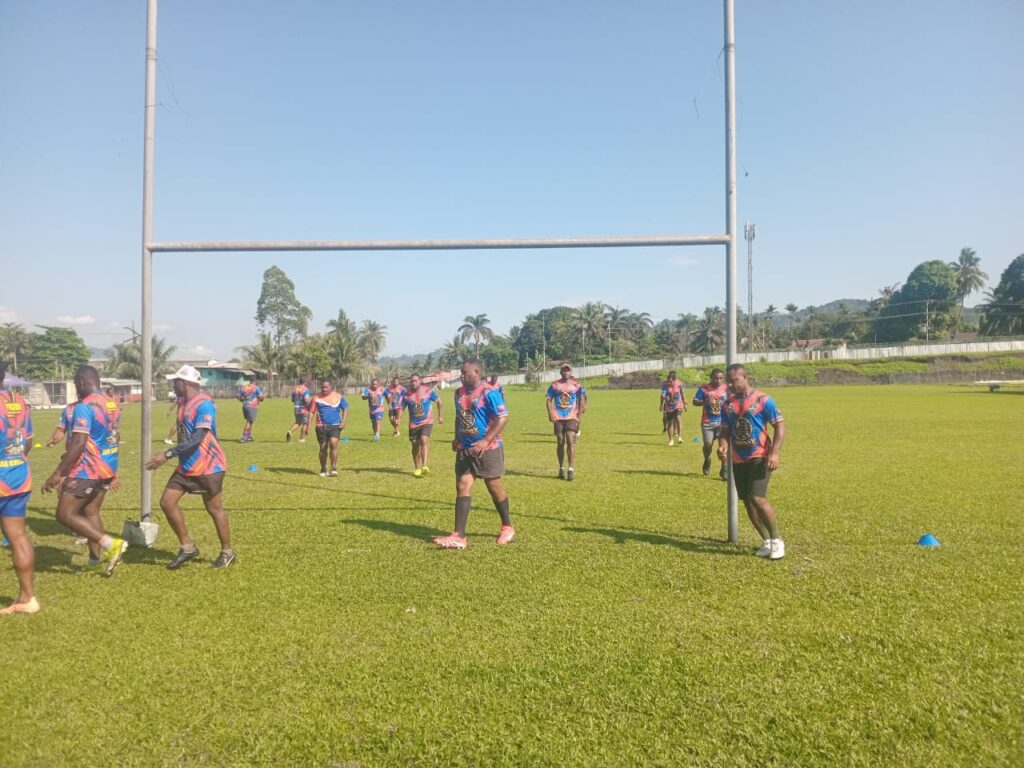
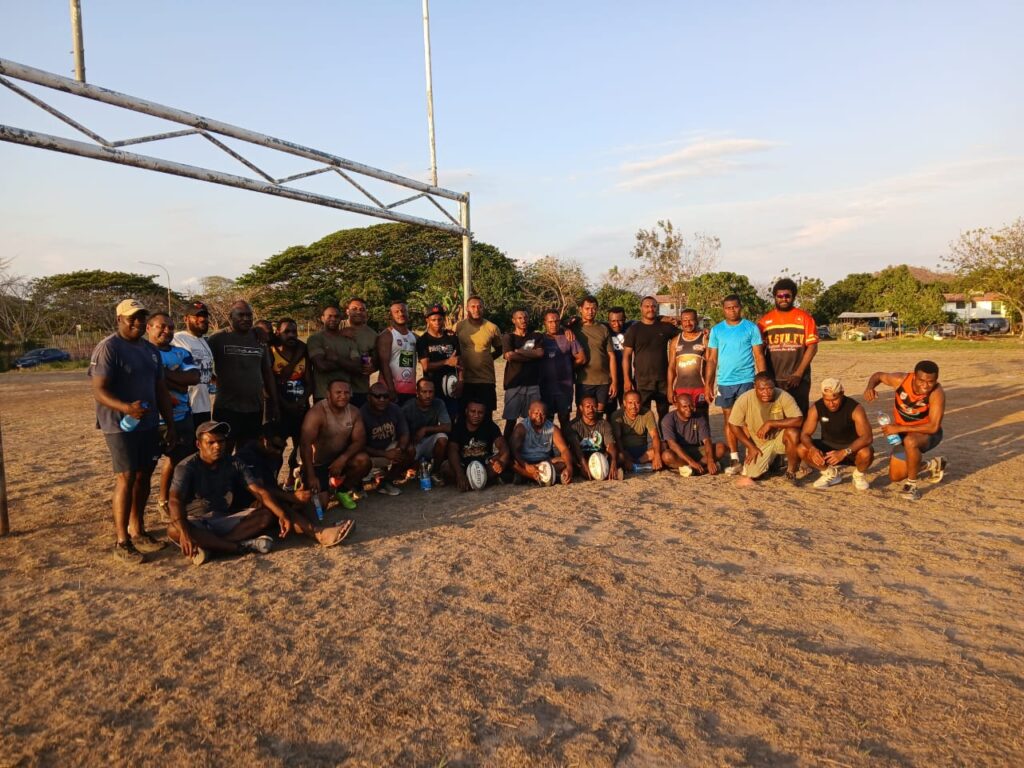
Supplied Image: During a Scrum training session in Lae.

A: Igam houses three units. The Engineering Battalion is the bigger unit, The Joint Forces Academy of JFA and the Lae Military Area. The Lae Military Area deals mostly with administrative matters.

The players who make up the Igam Crocs are from these three units. They represent Igam Barracks and Morobe Province. 

Q: Igam Crocs are the reigning champions. They won the Commander’s Cup in 2023 when the games were played in Lae. How is training going so far for the defending champions? 

Training is going very well. We have really stepped up without training. It is not different from what we have been doing in past competition. I think we are the inaugural cup winners for 15s in 2011, we got back the cup in 2023, and we are still holding on to the cup.

For us, training is going very well. We have a lot of experience in the coaching staff so we trust their directions.

Q: How did Igam Crocs get its name?

A: That is a fun question to ask. The name Crocs comes from the logo for the Engineering Battalion. We have two separate logos that we use, one is for civic actions, and the other is for the Battalion.

On the official crest of the Engineering Battalion you will see a Crocodile carrying tools, a shovel on the right and a pik on the left. The number 1134 when writing with Letters will give you, IBA that stands for Igam Barracks Area. 

So we put all these together to get the name 1134 Crocs. The name 1134 Crocs is actually adopted from the local rugby competition in Lae. 

Q: In any competition or military exercise, Igam also carries the flag of Morobe Province. In this Commander’s Cup challenge, how does it feel representing the Unit from Lae? 

A: Morobe is such a beautiful place to work and live in. It is home to so many people from other provinces and Igam Barracks is the hybrid. We have soldiers from all over Papua New Guinea who are posted to work here and they call themselves Morobeans. 

For us to carry the Morobe Flag to Port Moresby, is something special to us, it is a sense of pride. For myself being a Morobean I am proud that we have a PNGDF unit in Lae. 

The boys are always proud when we bring the Morobe flag into the Commander’s Cup, it creates a good mix amongst units from other provinces too. 

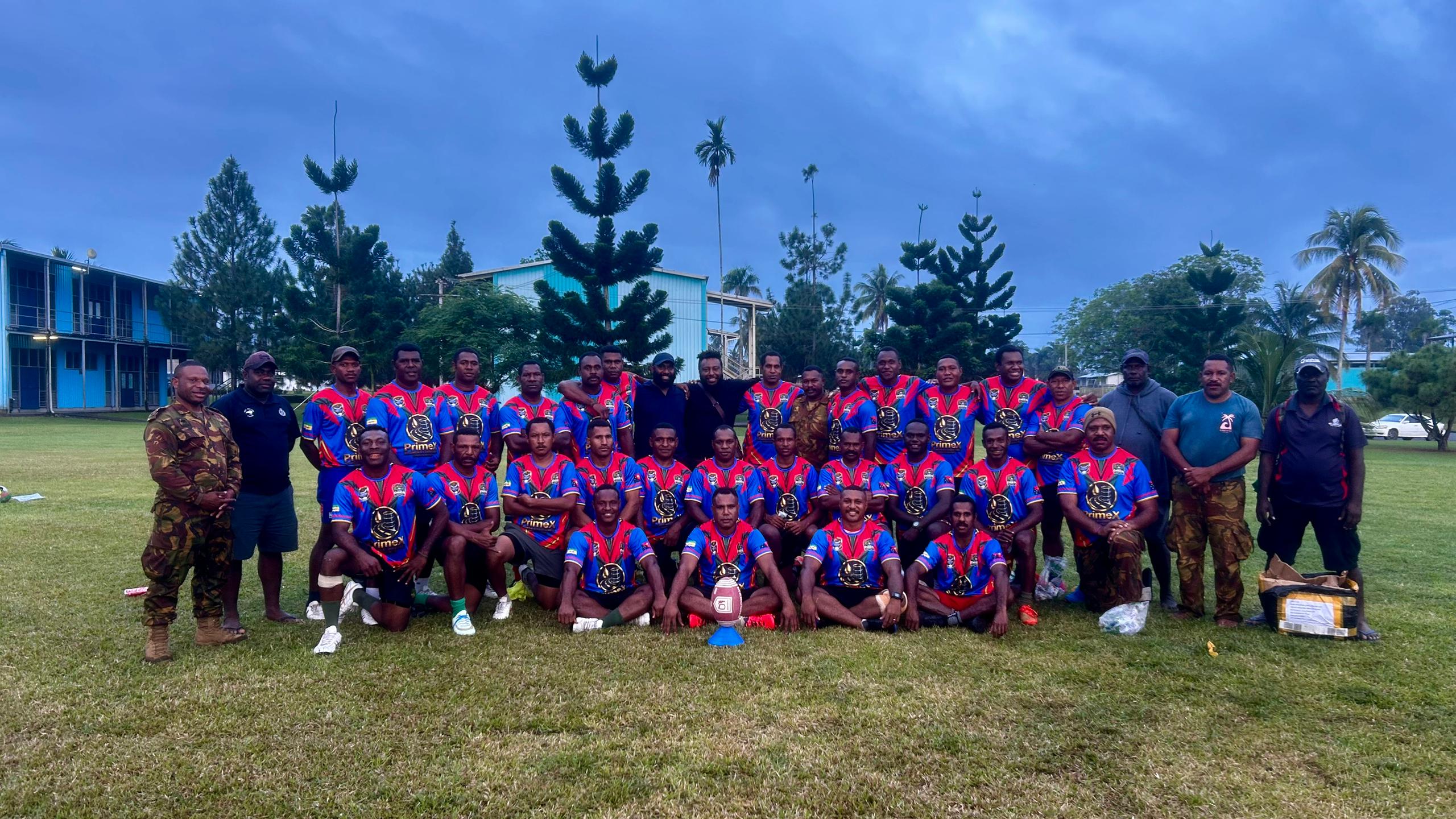
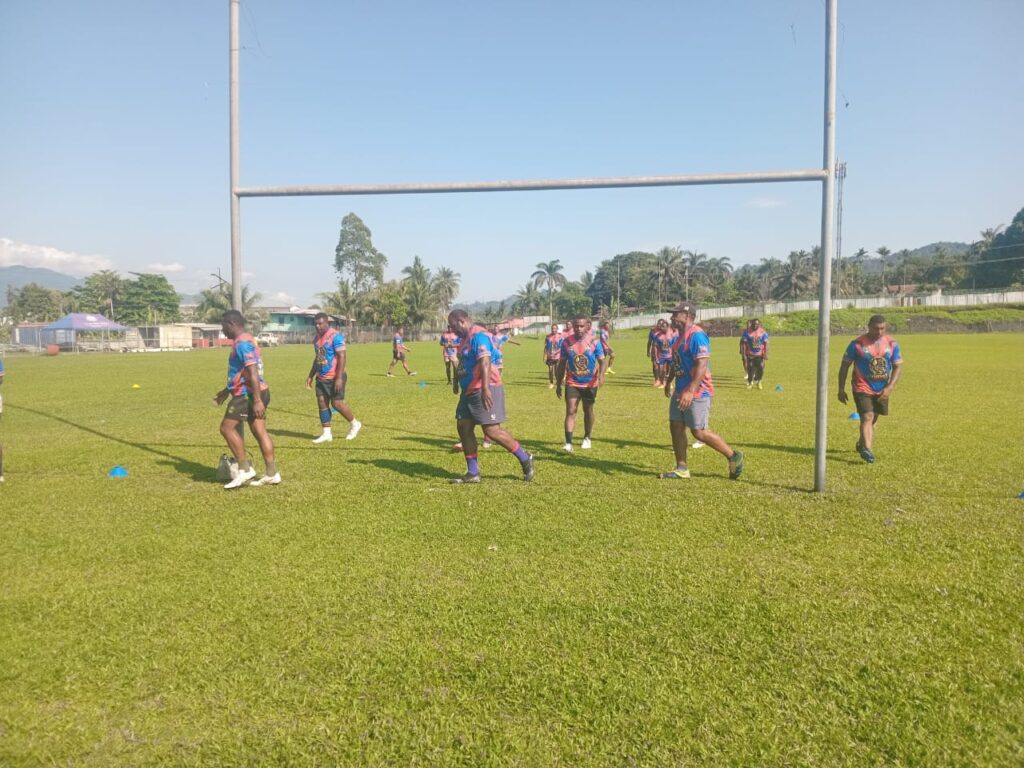
Supplied Image: 1134 Igam Crocs Players during a training session

Q: Is there a particular team the Igam Crocs want to challenge in the Commander’s Cup and why?

A: Yes, we want to beat the Basilisks Marlins because they took the 10s from us. I was away on duty but after they were declared winners, they admitted to us that the winning try was a mistake, but they were awarded the try. So, I think we will go after the Marlins with a lot of aggression. 

Q: What is the best part of the Commander’s Cup for you?

A: The sense of unity that it brings, it creates a good rivalry amongst the teams and also great competition. Each Unit comes with their set of players, for us the Crocs, we come with our own style of football, we play fast footy. We play with a sense of passion and endurance. We have pride in our unit, and we will carry that level of football into the tournament . We are ready for it. 

Q: Any final comments?

A: Yes, we welcome any support from any Morobe Business house that wants to support the Igam Crocs. We have received support from Goodman Fielders. Lae Biscuit Company, local businesses around Igam Area but we want to see more support from corporate houses who want to carry the name of Morobe to Port Moresby. 

Otherwise, a very big thankyou to the hosting unit. The Igam Crocs will be putting up a challenge, and we look forward to a good competition. May the Best Team Win!

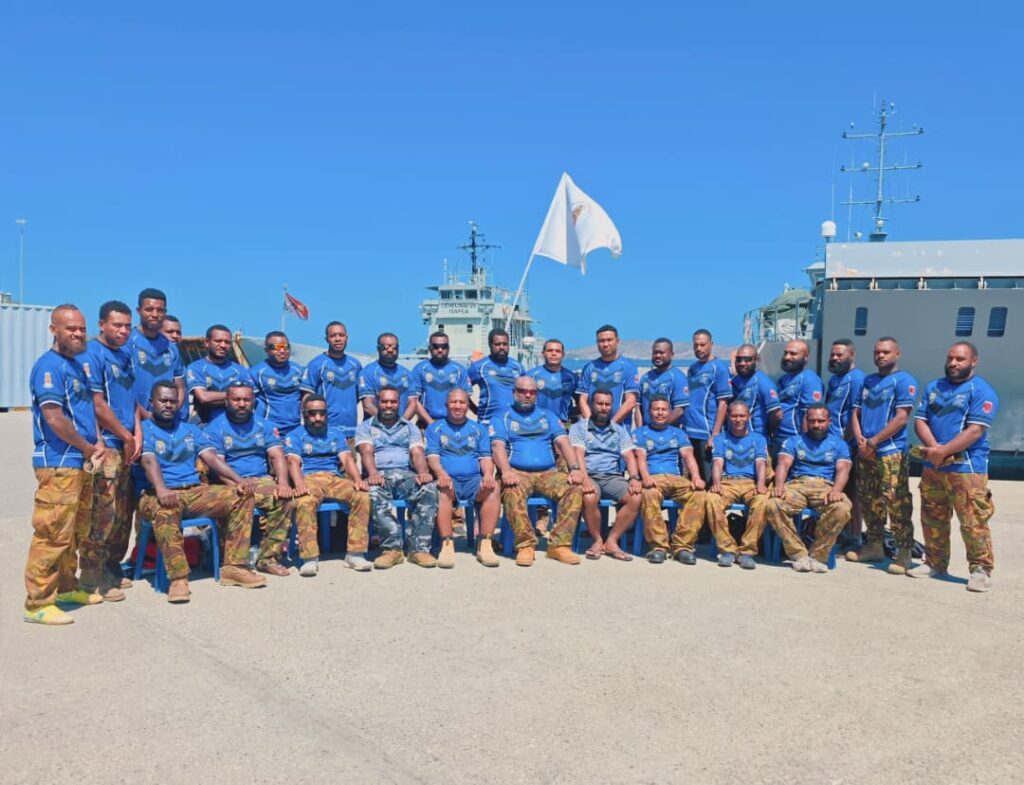
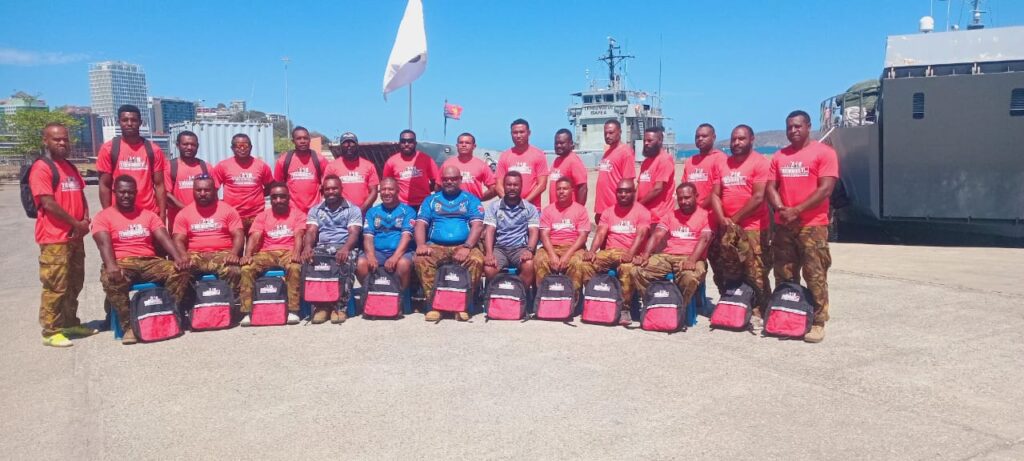
Supplied Image: Team Photo of Basilisk Marlins at the Naval Base in Port Moresby.

Team: Basilisk Marlins

Unit Base: HMPNGS Basilisk Naval Base, Port Moresby

IN THIS  special coverage of the 2026 PNGDF Commander’s Cup, InsidePNG speaks to Basilisk Marlins’ Team Manager for an insight into the camping, training and focus of the Team.

The Marlins are a strong unit and have demonstrated their dominance by winning a back to back series of the Commander´s Cup. The first team to do so after the 1RPIR Diggers who also dominated the tournament in 2001 and 2003. 

In this Q and A session, we  find out more about how the Marlins selected the Unit Name and just how prepared the Marlins are to strike again.

Q: Tell us about yourself and the role you play as Team Manager for the Basilisk Marlins.

A: My name is Lieutenant (Navy) Bryan Pohai, I am from Manus. I work at the HMPNGS Basilisk Naval Base. We are a Maritime Unit of PNGDF based out of Port Moresby. My role is the Operations Manager and I was chosen to be the Team Manager for Basilisk Marlins Rugby Team for the Commander´s Cup for 2026.

Q: How many officials help you manage the Team?

A: There are four of us. There is an assistant Team Manager, the Coach, a Medical Officer and myself. We serve as the Management Team. I manage the administration and training schedules and coordination for my team. I ensure that there are no hiccups during training. The bigger part of the role includes sourcing sponsorship proposals. Our aim is to get proper and quality jerseys, training shirts and supplies for the players.

Q: What is the difference between the Basilisk Naval Base and the Lombrum Naval Base in Manus? 

A: The Lombrum Naval Base in Manus also known as HMPNGS Tarangau is the home of the Patrol Boats. For Basilisk, it is the Home of the Landing Craft. A Landing Craft is slow and very heavy. When a landing craft hits a wave, it makes a hard hit. Our Unit is an operation unit that supports the Lombrum Naval Base. We focus more on administration; training and we do most of the ceremonial duties here in Port Moresby on behalf of our sister unit because they are further away from Port Moresby. For example if there is a Commander’s parade in Port Moresby, Lombrum cannot attend because they are in Manus. So we step in and represent both units in the Maritime Element.

Q: Tell us about how the Unit got the name Marlins?

A: Yes, Marlins is the name of the Unit. Our unit operates in the maritime environment, that is  out at sea. We have decided that instead of using a name that is related to the navy, we shifted to the maritime element, the sea. So, we thought of Marlin, the fish. Marlin is a prized fish for the fisherman. It is fast, powerful and one of the fish that is difficult to catch. We would like to symbolize our team as the Marlins, difficult to catch, powerful and resilient 

Q: Marlins sure lived up to being powerful by winning the 2019 and the 2017 Commander’s Cup. Tell us about that experience 

A: Yes, winning the Commander’s Cup back to back is something memorable for the Unit and we treasure those moments. It is definitely something that we build on. The current team in camp reflects on the foundations that we have set in 2017 and 2019. We were runners up in 2023 and we are hopeful and determined. We want to get that Cup back.

Q: Where were you when the Marlins won the 2017 and 2019 Commander´s Cup Challenge? 

A: For 2017, I was away. For 2019 when the grand final was played, I was on duty on board the ship as the Executive Officer on HMPNGS Lakekamu. I missed out on watching the game because I was on duty. But we were all just being alerted via WhatsApp messages of the scores. Once they sent the final score I left the ship and we all came down to the gate and we all cheered and welcomed the team back into base. I wished I was there to watch them play but duty calls so we were kept informed by those at the field.

Q: In 2023, what place did the Marlins finish on?

A: We were the runners up. Just a few points behind from the winners and that is why our boys are determined. In Tok Pisin, they say “Bai miplea kisim kam bek long solwara”

Supplied Image: Marlins players and officials receiving support from Theodist.

Q: When InsidePNG spoke with Igam Crocs who are the defending Champions, we were told they are looking forward to playing against the Basilisk Marlins. Does Marlins also want to challenge the Defending Champion?

A: Yes, we are looking forward to face the 1134 Igam Crocs again in this tournament . This time the boys are saying in Tok Pisin “ Em bai Man Game” back In Lae, it was their turf so we just went with the crowds and they won. Now the games are hosted on a neutral ground so we will have to put up our best efforts for the 1134 Crocs.

Q: How is training going so far for the Marlins?

A: We are preparing to meet the demand of the Commander’s Cup for 2026. We know it will be hard on us because we are one of the top performing teams and we are training very hard for that. So far, so good. Our training started as early as June, so the boys have been in training for at least three months now. Training has been tough and boys are under strict schedules for the week. During the weekend, the players take rests. But as the dates get closer, the boys will be doing light training and several runs on the weekends at the Bava Park. The fitness level is rising, we are starting to align the systems and structure in the game plan and it is slowly taking sharp. 

Q: What is the best part of the Commander´s Cup?

A: The unique thing about the Commander´s Cup brings everyone together. Both soldiers and officers from other units. It binds us together in this tournament and it builds friendships. The two words were Friendships and Esprit De Crops through rugby. 

Q: Is there a funny moment where your team experienced in the previous Commander´s Cup that you would like to share?

A: In the previous Competition, I served as Ships’ Captain so I was at sea most of the time. But the best funny moments would be to watch the boys do the ice baths because their eye balls sort of pop out. Every time I see them doing the ice baths, I am standing there watching them shiver.

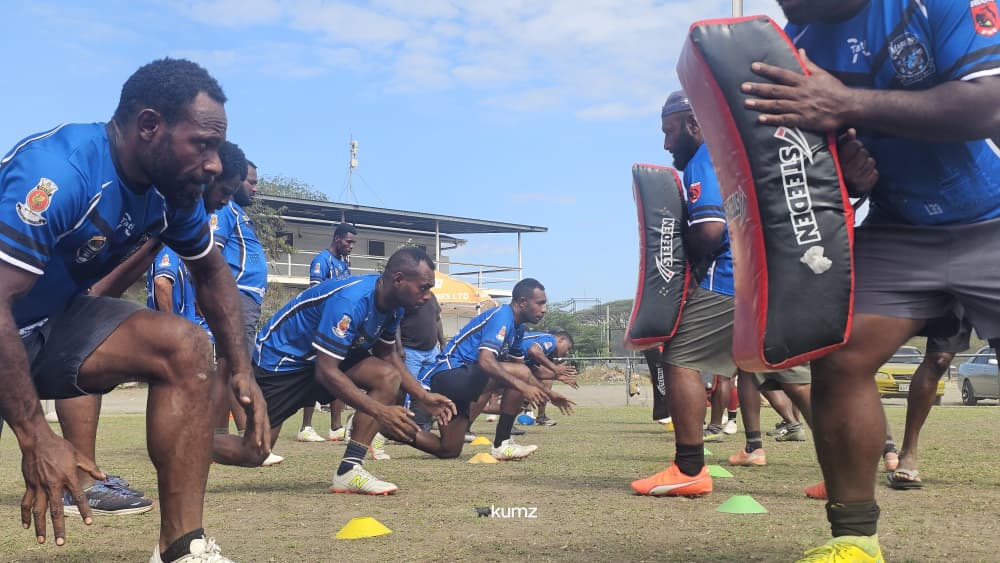
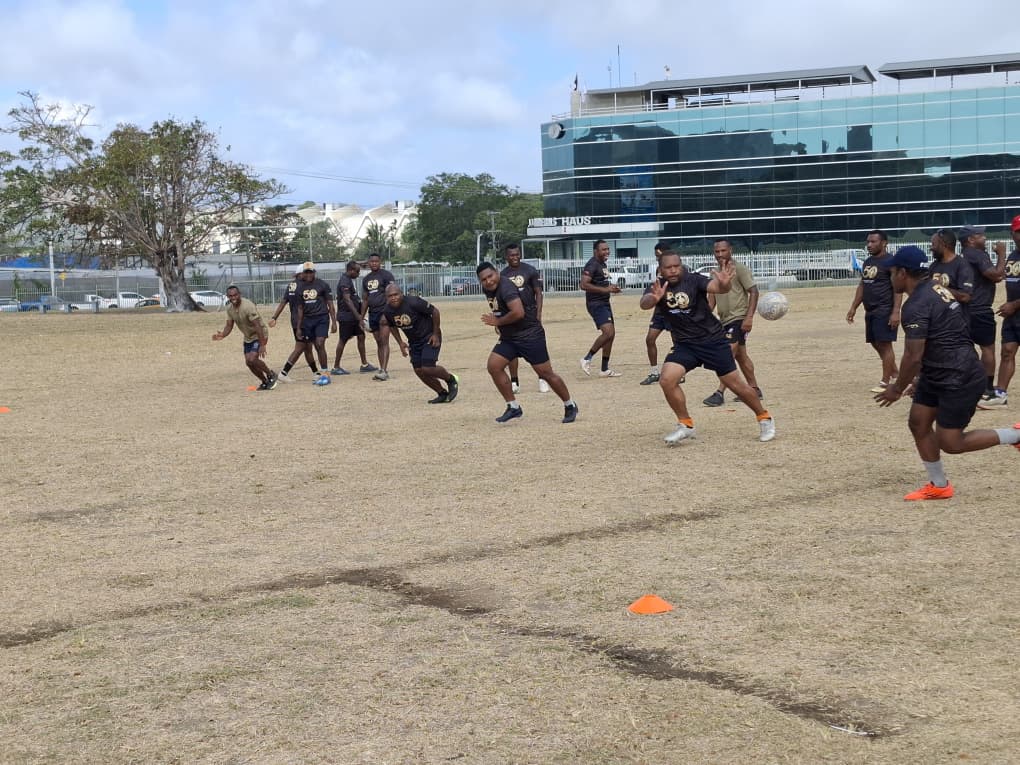
Supplied Image: Basilisks Marlins trains every Mondays, Tuesday and Fridays at the Bava Park in Port Moresby

Q: What is your message to the other nine units taking part?

A: To all the teams participating, we just want you all to know that the Basilisk Marlins are ready. We are ready, we are going to carry the honour and name of the navy into the Commander´s Cup again. We will be there, our message is that we want to play a fair and good game. All the best to all the participating units and May the Best Team Win. Go the Marlins!

Police on Operation in Western Province to rescue kidnapped woman 

POLICE Commissioner David Manning has confirmed police in Western have recovered the remains of one of two females who were recently taken hostage by gunmen in Haiyafuli Village, Mogulu.

In a statement Manning said a coordinated police operation is underway in Western Province and police are focusing efforts on locating and rescuing the second of the two kidnapped females.

“This is an ongoing operation in which police are pursuing dangerous criminals and one had already been shot by police,” said Commissioner Manning.

Initially the police report suggested that the two women were mother and daughter. They were taken hostage last week by armed gunmen who passed through their village and demanded compensation before their safe return. 

However, police have since recovered the remains believed to be of one of the women. At this stage, the police cannot identify who of the two the remains belong to. 

“Our main priority is the safety and recovery of the young girl they have taken, and police will use every lawful and necessary means to bring her out alive,” said Manning. 

The remote village of Haiyafuli in Western province shares land boundaries with Mt. Bosavi in the Southern Highlands and Komo in the Hela Province. 

In the last six years these communities have been terrorized by gunmen who have been passing through the villages for several years now. 

In February 2023 a New Zealand professor and two of his colleagues were taken captive near Mt. Bosavi by gunmen believed to be from Hela Province. The gunmen held them captive for at least a week before they were released unharmed.

In July of 2023, 17 girls from a community near Mt. Bosavi were also taken hostage by gunmen believed to be from the same group from Komo. These school girls were rescued by police and taken to Southern Highlands.

When InsidePNG spoke to the community in Mt. Bosavi, they said they live in fear because of the gang who continue to terrorize them, assault their girls and take their pigs. 

The absence of a police station and lack of proper mobile coverage makes it difficult for villagers to inform police quickly. The closest police station in this region is the Moro Police station but it would take at least two whole days to walk to Moro to report the matter. 

In this recent incident, Manning said these criminals need to understand that their only path to survival is to immediately release this girl unharmed and surrender to Police. 

“Specialist Police are on their trail, and where unlawful weapons are used or innocent lives are threatened, Police are authorised to respond decisively and without hesitation to save life,” said Manning.

The coordinated police response remains ongoing, with Police focused on one offender who was already shot and killed during the police response.

“Specialist tactical police are tracking them, and they should be under no illusion about the consequences if they resist or continue to threaten innocent life. One has already been killed, and others will face the same fate if they choose violence over surrender,” said Manning. 

“I thank the communities that have supported the police in our efforts to rescue these girls, and I ask you to maintain your vigilance and continue working with police. The men responsible for these kidnappings and murder have brought shame on their families and our people, and they must receive no shelter, no support, and no silence from any community,” said Manning. 

Locals in the area have been advised to come forward with information to help police capture the gang responsible. 

Supplied Image: Team ATW Eagles

Team: ATW Eagles 

Unit Base: Port Moresby 

THE ATW Eagles are catching up on their training sessions after completing their Unit Anniversary a month away from the Commander’s Cup Challenge. 

They lost to 1RIPR in the previous tournament in Lae; however they say they are looking forward to their first match. 

Q & A with ATW Eagles

Q: Tell us about yourself and what your role is in preparing the ATW Eagles for the Commander’s Cup in less than a week from today?

A: I am Selan Elijah and my role is Team Manager. I am responsible for preparing the ATW Eagles for this year’s Commander’s Cup challenge. 

Q: Have you taken part in the previous Commander’s Cup Competition? 

A: Yes. I was a soccer player before. But now that I am in the army, I have to play rugby. I had played 7s, in all PNGDF 7s Tournaments. 

The Commander’s Cup started in Lae at the Igam Barracks, and I played for ATW Eagles. I was a private soldier when I first took part in the competition. 

The Commander’s Cup Challenge was started when Commodore Peter IIau was the Commander in 2001 or 2002. However, I have not played in the 10s or 15s tournament, just the 7s. 

Q: Tell us about the functions of the Air Transport Wing and its role in supporting the PNGDF. 

A: The role or function of the Air Transport Wing is to provide safe and effective air mobility and support PNGDF, its agencies and importantly the people of Papua New Guinea.

We provide support in Humanitarian Assistance also and other functions that are required of us by the PNG Government.

In relation to the Commander’s Cup Tournament, ATW will be the unit responsible for the movement of players and officials to where the games are played. 

We have done that in previous tournaments held in Wewak, Manus and in Lae. We provide Air Support.     

Q: How are preparations going so far for the ATW Eagles? 

A: We started training not long ago and the reason is because the unit was involved in a number of activities from March to July. We also just celebrated our Unit Anniversary on the 12th of August, and we started training on the 19th of August.

We would have three to four weeks of training before the competition, but the players are picking up after all these activities. I am encouraging the boys to be committed to training, and we should be ready when the tournament begins on the 14th of September. 

Q: Is there a particular Unit ATW is looking forward to challenging? 

A: No, we are not eyeing a particular Unit, but we are looking at all the 9 units. Whichever teams that will be in our pool, those would be our rivals, and we will want to take them down. 

So, No one particular rival team. 

Any team that we are lined up to play against in the knockouts, the semifinals and the finals will be our rivalry team.

Q: Tell us about the Unit colour for the ATW Eagles.

Yes, the Unit Colour is sky blue and navy blue. Our sportswear will be navy blue while our jersey is sky blue. It represents the colour of the sky. When you look up to the sky, the sky-blue colour and navy blue is always in the background. 

Q: In the 2023 Commander’s Cup Challenge, who did ATW lose to?

A: The boys played very well in 2023. They finished in 4th place after we lost to 1RPIR in the semifinals.

Q: What is the best part of the Commander’s Cup? 

A: We represent our unit and the best part would be having pride for our unit.

Q: What is something that only the Commander’s Cup Challenge brings to all members of the PNGDF?

A: When we joined the army, the first friendships, brotherhood and comradeship were formed at Goldie when we went for the recruitment training. For the commissioned officers, it was at Igam Barracks. 

But after Goldie and Igam, we were posted to different units, we were separated. So the Commander’s Cup brings us together after working in different units for many years. A unique aspect of the Commander’s Cup is it builds the esprit de corps. 

Q: What kind of additional support does ATW need in its final preparations towards the Commander’s Cup?

A: ATW needs financial support. We do have our Regimental Funds, but it is limited and we would like to welcome the support from any business houses or other sponsors. 

We will not be doing major fundraising because we are a few weeks away from the games. Our focus will now be on the games

Q: What is your final comment?

A: Yes, I want to say all the best to all the units, play hard for your units, socialize and may the best team win.  

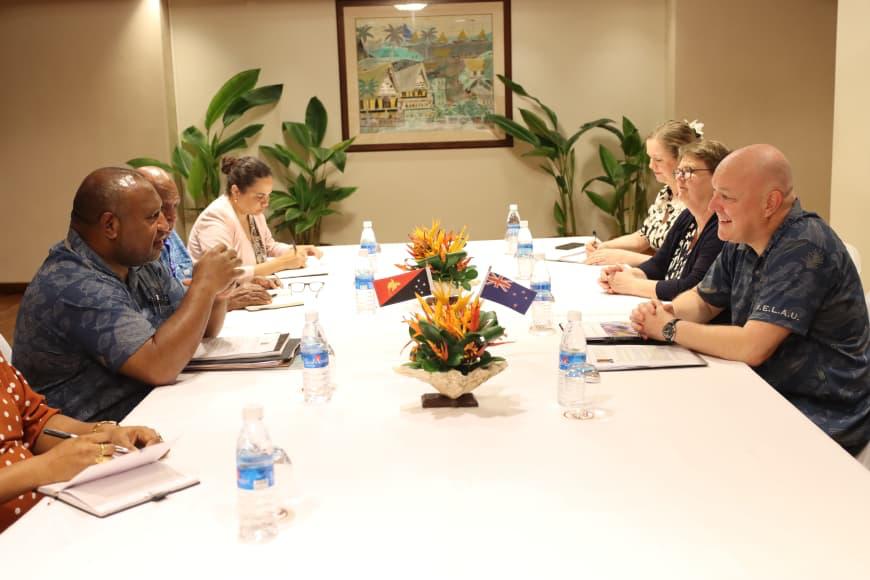
RECENT bilateral talks between Papua New Guinean Prime Minister, James Marape and New Zealand Prime Minister, Christopher Luxon, centered on education, skills development, labour mobility, aviation and regional development.

The meeting took place on the margins of the 55th Pacific Islands Forum Leaders’ Meeting in Koror, Palau this week. 

Prime Minister Marape said his government aims to raise PNG’s education standards to levels comparable to those in Australia and New Zealand.

“We want Papua New Guineans graduating from our schools, colleges and universities to possess qualifications and skills that allow them to compete successfully in the global labour market,” said Prime Minister Marape. 

He said Papua New Guinea will be investing more than K11 billion in education interventions over the next 10 years, including improvements in early childhood learning, primary and secondary education, and vocational and technical training. 

His government is also working with churches to strengthen early childhood education while maintaining a standard national curriculum. 

“We must invest properly in education and skills so that our young people can secure meaningful employment at home and overseas,” said Marape.

In response, the New Zealand Prime Minister outlined New Zealand’s reforms in literacy, mathematics, school attendance, teacher development and vocational education. 

PM Luxon offered to facilitate further discussions between the two countries’ education ministers and share New Zealand’s experience in strengthening foundational learning and introducing vocational training at secondary-school level. 

The offer was welcomed by Marape, and the PNG Prime Minister proposed a more closer coordination among Papua New Guinea, New Zealand and Australia on education standards, technical training and future workforce requirements

Marape further commented on pacific island countries to remain together and emphasized that the pacific region should have a united front against global fragility, geopolitical competition, wars, economic pressures and trade disruptions by standing together.

“We cannot change our geography. Whether we like it or not, we are part of this region forever. That is why the architecture of the Blue Pacific Continent matters. The challenges facing our region compel us to remain united,” said Marape. 

The discussions also touched on the Labor Mobility Programs run by the New Zealand government. 

Prime Minister Luxon said New Zealand remained open to exploring further labour mobility opportunities while ensuring participating Pacific countries did not lose workers needed in essential domestic sectors. 

“New Zealand’s Recognised Seasonal Employer scheme also provided agricultural training to participating Pacific workers, enabling them to return home with practical skills and experience, “said Lxon.  

Marape thanked the New Zealand Government for the opportunities already being provided to Papua New Guineans and said more Papua New Guineans continue to seek such opportunities abroad.

Marape added that the planned direct flight from Port Moresby to Auckland would further strengthen business, tourism, sporting and people-to-people links between Papua New Guinea and New Zealand.  

“We are building stronger connectivity between our two countries, and the Port Moresby–Auckland service will help open new opportunities. We hope to see more New Zealanders visiting Papua New Guinea for business, tourism and major sporting events.” 

The leaders also discussed Papua New Guinea’s entry into Australia’s National Rugby League competition in 2028, and the strong following rugby league enjoys in both countries. 

Supplied Image: Team FSB Tigers in training.

Inside PNG continues its Special Coverage of the 2026 PNGDF Commander’s Cup Challenge with a Q&A Session with Team Manager for FSB Tigers. 

Team: FSB Tigers.

Unit Base: Murray Barracks.

Q: Tell us about yourself and the role you play in preparing the FSB Tigers for the Commander’s Cup.

A: I am Danny Mange, a serving member in the Papua New Guinea Defence Force. I am the Team Manager for the FSB Tigers. Being involved in the Commander’s Cup is a great honour for me to be part of the officials for FSB Tigers. 

As Team Manager, it is a great responsibility, and a privilege. Managing the Tigers is not entirely focused on the game, it is about looking after the soldiers also. It involves supporting the coach and ensuring that players remain committed and disciplined. 

The players represent the FSB Unit. 

Q: What is the story behind the name FSB Tigers?

A: I was a kid when I first heard this name Tigers. The name given to Murray Barracks, was MBA it means Murray Barracks Area that was from the 1980s upwards. 

In 2008 they officially changed the name to Force Support Battalion when the FSB Unit was established.

The name FSB Tigers originated from Foodland Tigers. The story was back in 1991 a support unit from Murray Barracks Area was formed and sent to assist PNGDF in the Bougainville Crisis. That unit was called Foodland Tigers and FSB has adopted that name. 

Q: In the previous Commander’s Cup Competition, did you take up an official role similar to this? 

A: No, this is the first time I am taking up the role as Team Manager for FSB. However, I do have experience as the General Manager for the Defence Rugby Club.

Q: As someone who has been involved in Rugby Union, can you give us a brief explanation of how the Commander’s Cup has transitioned from Rugby 7s to now 15s?

A: Yes, initially when the Commander’s Cup Challenge was started, it was a Rugby Sevens Tournament, it later increased to 10 players and now it will have 15 players. 

For the 15s tournament, each team will have 23 players and eight reserves. The 15s tournament was introduced in 2023 and for this year, it will be a 15s tournament again.

The Competition is growing in the number of players, supporters and sponsors also. 

Q: Tell us about the FSB Unit. What makes it unique or different from the other nine PNGDF Units?

A: FSB is the youngest unit in PNGDF. It is a Logistics Unit and supports the Operations of the PNGDF.

FSB Stands for Force Support Battalion. We have smaller units like Signal Squadron, Military Band, Transport Platoon, Supply Company and Military Police. It is a new unit but plays a vital role in PNGDF. 

Q:  The Challenge for the Commander’s Cup brings all ten units together to compete in the code of Rugby Union. For FSB Tigers, what does it mean for the players to represent their unit?

A: The Challenge gives us an opportunity to represent our unit and showcase our talent in a different space than the normal work we do as soldiers. It gives us the chance to compete against other PNGDF units.

The competition brings all our soldiers together through rugby, there is teamwork and discipline and shows the pride we have in the Defence Force. 

Q: What place did FSB Tigers finish off in the 2023 Commander’s Cup in Lae?

A: For 2023, FSB fell out of the semi-final playoffs. We probably finished in sixth or seventh place in Lae. We have identified what we lacked in the 2023 competition in Lae. 

For 2026, every player is giving his 110% effort, they are committing themselves and I see there is improvement compared to the 2023 preparation. 

Q: What is the best part of the Commander’s Cup as an official and as a member of the PNGDF?

A: The best part is seeing soldiers and supporters from other units, coming together through rugby. We may be working in different units, but in the Commander’s Cup, it creates unity, friendships, healthy competition and the opportunity to build stronger relations amongst soldiers. 

It is something special that the Commander’s Cup brings to us. It is not only about winning, but also about the unity that it creates and pride for the unit we represent. 

Q: Is there a particular unit FSB Tigers is looking forward to challenging?

A: Yes, any outside Unit we are looking forward to putting up a good challenge. For us soldiers, we say Commander’s Cup is almost like the Stage of Origin Matches for soldiers. We do not want to pick up a team. We are only looking forward to facing any unit on the battlefield. 

Q: What is your message to the FSB Players and Supporters?

A: I would like to thank the PNGDF Leadership, the host unit and the coaching staff, the supporters and sponsors who have and will contribute to the tournament. 

To our team, the FSB Tigers, our goal is to represent FSB Tigers with pride, discipline and respect. One Team, One Purpose, One Tiger Spirit. Go the FSB Tigers. May the best team win. 

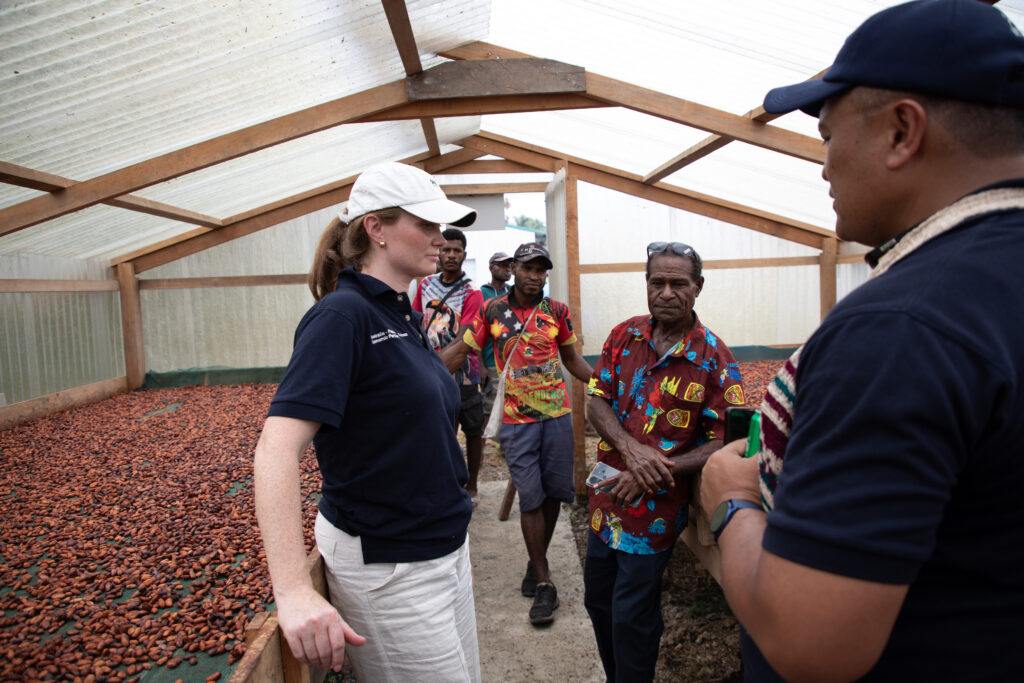
Supplied Image: A cocoa drying facility in East Sepik

A PARTNERSHIP between licensed cocoa exporter Outspan PNG Limited and the Australian government is helping cocoa farmers in East Sepik province produce quality cocoa beans. 

Smallholder cocoa farmers in East Sepik are now benefiting from expanded access to solar drying technology which cuts down on extra labour.  

A total of 125 solar dryers were constructed across the province in two phases, supporting farmers to produce a supply of more than 738 metric tons of premium, solar-dried cocoa, valued at approximately PGK 17 million.

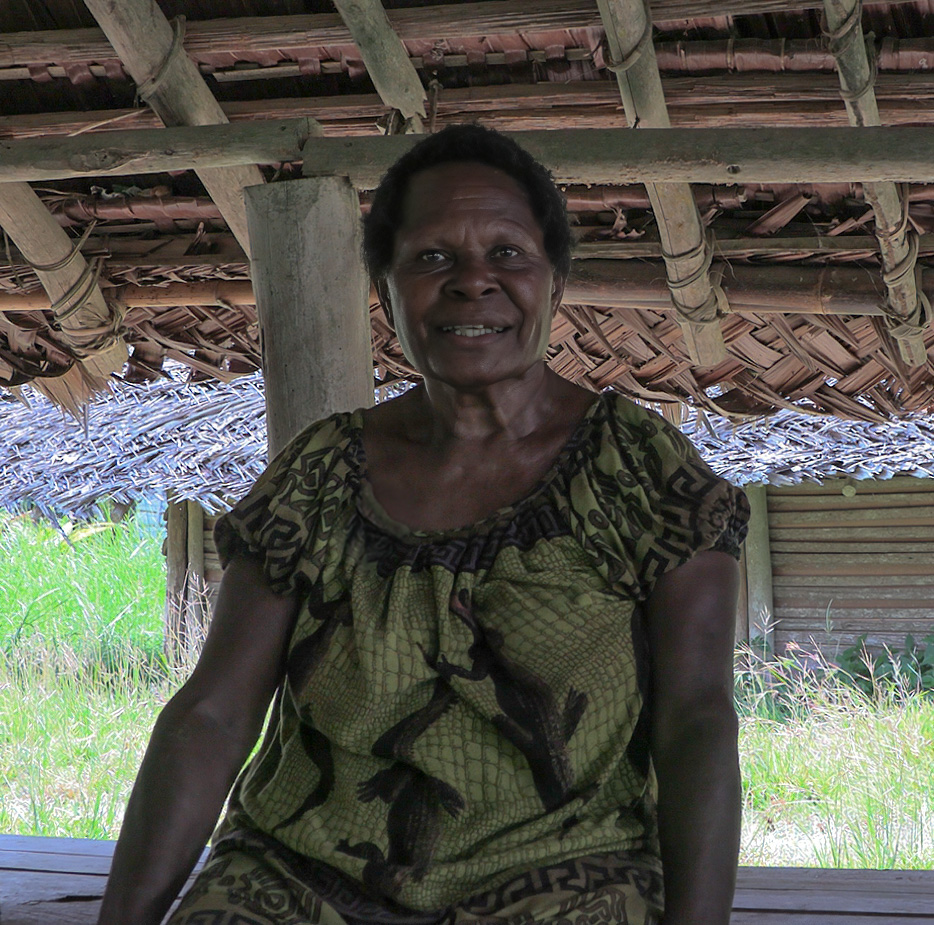
Naureen Yaninen, a cocoa farmer and fermentary owner, said the change in technology has also meant significant savings for her family.

“Using fire is hard work. After we buy wet cocoa beans, we have to pay men to collect firewood and burn it to dry the cocoa. We also pay them to help us sell dried cocoa beans. We cannot save money,” said Naureen.

Outspan Wewak Depot Manager Raju Ramalingam said the exporter is looking at other ways to improve the production of cocoa. 

“Outspan is not only focused on high-quality smoke-free cocoa beans, but we are also looking at ways to sustain this program by providing other training such as financial literacy to farmers,” said Mr. Ramalingam.

Cocoa production in Papua New Guinea declined during the cocoa pod borer infestation in 2008 but has improved over the last 24 years with proper training for cocoa farmers. 

The introduction of solar dryers has made cocoa processing easier and less time-consuming for farming families. 

Naureen said solar dryers have allowed women to take greater control of the cocoa drying process while reducing the costs involved.

“With the solar dryer, we can dry the cocoa ourselves. We buy cocoa, ferment it, dry it and sell it. Men do not need to help us. Now we can save money. The job is easier and we are happy to do it,” she said.

Naureen Yaninen, a coca farmer in East Sepik

Previously local farmers used fire to generate heat to dry the cocoa beans and during the rainy season, the cocoa drying process was affected. 

Outspan has also been providing training in cocoa production, harvesting and drying techniques, as well as support for Fairtrade and Organic certification, helping farmers access more markets and premium prices. 

By harnessing solar energy, smallholder cocoa farmers are improving the quality of their cocoa while reducing environmental impact. 

Through Australia’s support, the adoption of solar cocoa dryers comes at a pivotal time for PNG’s cocoa industry.

By improving post-harvest processing and bean quality, solar dryers can help restore PNG’s reputation for fine-quality cocoa, secure higher international prices, and deliver better returns for growers, processors and exporters, ultimately improving livelihoods for cocoa farming families across East Sepik.

Pin It