Author

Inside PNG

Browsing

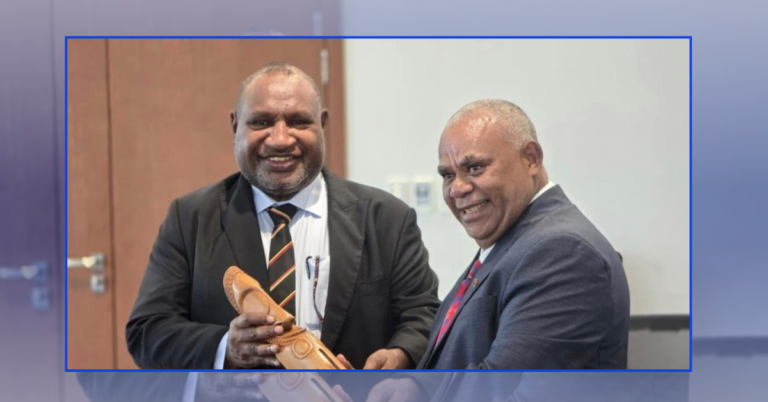
As Vanuatu prepares to celebrate its 46th Independence Anniversary, Prime Minister of Papua New Guinea James Marape is among the Pacific leaders gathering in Port Vila to join in the celebrations.

Marape travelled to Vanuatu on a state visit as a vital reciprocal engagement to the Vanuatu Prime Minister’s visit to Port Moresby last September for PNG’s 50th Independence anniversary.

PNG and Vanuatu have shared a unique Melanesian relation since Vanuatu became independent on 30 July 1980.

Papua New Guinea played an important role to help Vanuatu gain independence by sending a team of 450 PNG Defence Force soldiers, the “Kumul Force”, to Port Vila.

The PNGDF operation led to the capture of Ni-Vanuatu political leader Jimmy Stevens and helped Vanuatu gain a peaceful transition in 1980.

Prime Minister Marape stated that the foundational link between the two countries was forged during the critical geopolitical events of 1980.

“Under the leadership of PNG’s then-Prime Minister, Sir Julius Chan, Papua New Guinea deployed the “Kumul Force” from the Papua New Guinea Defence Force (PNGDF) to support the incoming government of Father Walter Lini. This successfully quelled the secessionist rebellion on Espiritu Santo and secured Vanuatu’s sovereign borders,” said Marape.

Reflecting on the geopolitical magnitude of that deployment, Marape highlighted the capability demonstrated by Papua New Guinea at the time.

“In 1980, Papua New Guinea was a very young nation, less than ten years old into our own independence,” said Marape.

Marape added that under the decisive leadership of Sir Julius Chan, PNG took a monumental step by deploying the military overseas for the first time.

“It was a bold, unprecedented decision for a young democracy, but it resulted in a highly successful outcome that preserved the sovereignty of Vanuatu,” said Marape.

The exchange highlights the enduring diplomatic ties, deep mutual respect, and strategic alignment maintained between the two Melanesian countries.

The bilateral partnership between the two countries has since expanded systematically from historic security cooperation into robust institutional, legal, and economic frameworks.

This deep relationship has produced concrete, long-standing outcomes, including:

  • The Kumul/Vanua Policing MoU: A formal security agreement facilitating active intelligence sharing and capacity-building between the Royal Papua New Guinea Constabulary (RPNGC) and the Vanuatu Police Force (VPF).
  • The Wantok Legal Network Program: A structured judicial exchange program optimizing personnel development and legal aid infrastructure within the respective Public Solicitors’ offices.
  • Reciprocal Land Grants: The mutual allocation of prime State land in Port Moresby and Port Vila dedicated to the construction of permanent, national diplomatic missions.
  • The Five-Year Bilateral Framework Master Plan: A strategic blueprint directing joint initiatives in agricultural development, double-taxation relief, climate-resilient disaster responses, and sustainable maritime resources.

Deputy Prime Minister John Rosso will be the Acting Prime Minister to oversee state affairs and government operations while Marape is in Vanuatu.

Marape’s travel to Vanuatu is by invitation of Vanuatu Prime Minister Jotham Napat.


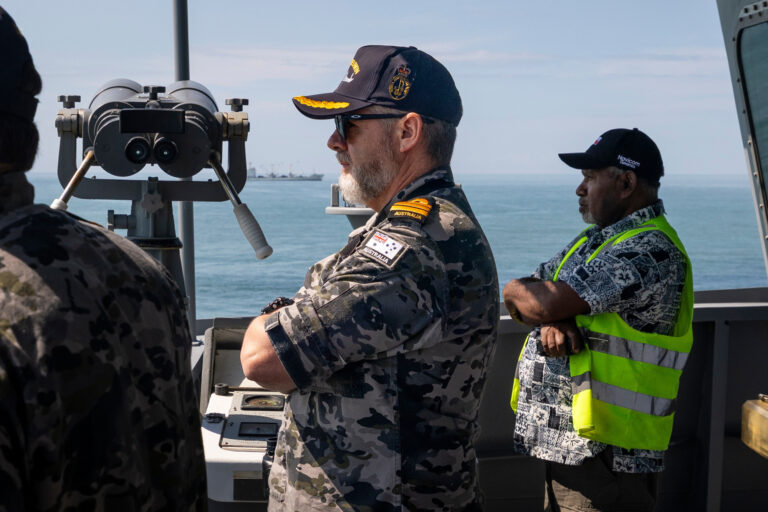
The Royal Australian Naval (RAN) Vessel HMAS Leeuwin has arrived in Lae under the PNG-Australian partnership for maritime survey operations including around Umboi Island.

HMAS Leeuwin is a hydrographic survey ship and her visit to the Lae Port, is part of the regional hydrographic survey mission that the PNG Government is undertaking.

The surveying began on 13 July and will end on 16 August 2026 and involves collecting hydrographic data that will contribute to the development of updated nautical charts and improve the safety of navigation in PNG waters.

In Papua New Guinea, the National Maritime Safety Authority (NMSA) conducts similar surveys and chartings to improve sea travel and navigation of maritime vessels.

The RAN Hydrographic Service is responsible for charting more than one-eighth of the world’s surface, covering an area that extends from Cocos (Keeling) Islands in the Indian Ocean to the Solomon Islands, and from the Equator to Antarctica.

This survey mission will support the creation of updated nautical charts, helping make travel by sea safer for communities, government vessels and commercial operators across Papua New Guinea.

In 2022, Fugro completed a hydrographic survey led by NMSA and funded by the Asian Development Bank (ADB). That survey was to determine a safe channel through the Star Reef Passage. Through that 2022 survey under the Maritime and Waterways Safety Project, the goal was to improve the safety and efficiency of international and national shipping in coastal areas and waterways in PNG by improving maritime safety information infrastructure, practices, and capacity.

However, for this mission with the RAN, it reflects the practical cooperation envisaged under the PNG–Australia Pukpuk Treaty and demonstrates the close relationship between the two nations.

During the mission, HMAS Leeuwin is providing mentoring and practical training opportunities for embarked members of the Papua New Guinea Defence Force (PNGDF), strengthening maritime capability and reinforcing the longstanding partnership between Australia and PNG.

While in Lae, the ship will have the opportunity to experience the hospitality and culture of Morobe Province and engage with members of the local community before returning to sea to continue survey operations around Umboi Island. HMAS Leeuwin is the lead ship of the RAN’s Leeuwin-class hydrographic survey vessels.

The deployment highlights the strong and enduring defence partnership between Australia and Papua New Guinea and a shared commitment to maritime safety, security and regional cooperation.


A new series of children’s books developed by Papua New Guinean authors and illustrators is being supported through the Papua New Guinea–Australia Partnership.

The Let’s Read for Peace and Justice series is a new series of books produced to help children learn the values of kindness, respect and peaceful conflict resolution.

Launched recently in Port Moresby, the books are designed for primary school-aged children under the Asia Foundation’s Let’s Read program.

The Regional Representative for the Pacific Islands at the Asia Foundation, Sandra Kraushaar, said the series demonstrates how locally developed reading materials can support both literacy and social learning.

“By bringing together local authors, illustrators and educators, the series provides children with engaging, culturally relevant stories that encourage empathy, cooperation and problem-solving,” said Kraushaar.

The books are available in English, Tok Pisin, Hiri Motu, Kâte and PNG Sign Language, and were developed for primary school-aged children in the National Capital District and Morobe Province.

The six new books produced use engaging, locally grounded stories to help young readers explore empathy, relationships and positive ways of responding to challenges.

Local Ward Counsellor Peter Noka stated at the launching of the book series that the reading initiative is a blessing, and said the books shared will remind the young that respect, fairness and courage are values that must be observed and should be passed on to the children.

“They also remind us that education can strengthen our children’s future, confidence and dignity,” said Noka.

Australia and Papua New Guinea share a commitment to investing in the next generation, recognizing that stronger communities are built when young people have opportunities to learn, grow and contribute.

Australian High Commission Minister-Counsellor Elizabeth Le Bas said Australia is a proud supporter of the reading initiative.

“Through stories that reflect Papua New Guinea’s cultures and experiences, these books encourage children to think about how they relate to others and the role they can play in building stronger communities,” said Le Bas.

Most young children do not develop the habit for reading at an early age, hence the initiative was created, sharing locally relevant children’s books that reflect Papua New Guinea’s cultures, languages, and experiences designed to capture the interest of young children.

Le Bas stated that Australia is proud to support initiatives that invest in young people and help build safer and more cohesive communities.

“We welcome the support of the Papua New Guinea–Australia Partnership in helping make these resources available to more children, families and schools,” she said.

In addition to the ongoing distribution of more than 20,000 copies to schools, libraries and community centers, all titles in the Let’s Read for Peace and Justice series are available free of charge online at letsreadasia.org


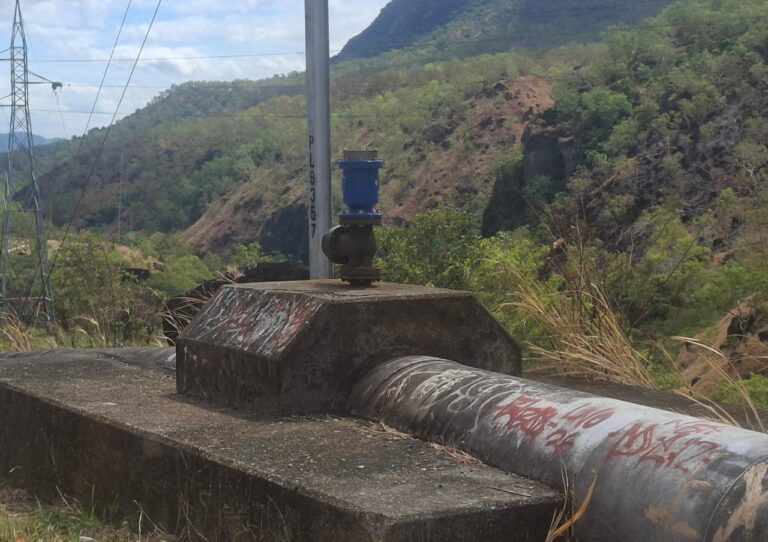
THE planned emergency works on the waterpipes into Port Moresby will be delayed following blockades set up by landowners of Behori, days away from the initial planned water shutdown.

Water PNG described the blockade by landowners as disappointing because it has undertaken meticulous planning and already delayed the repairs so that additional equipment and expertise can be brought in to ensure the success of the repair work.

Located just after 14 Mile, the community of Behori, who are part of the Lower Sogeri LLG and own the land Water PNG pipes run through, want the government to compensate them for the use of their land.

However, Water PNG says as part of this cooperation, Behori landowners were paid half a million Kina to prepare an access road to the damaged area, for workers to dig drainage channels, and for other employment tasks.

Water PNG issued a statement yesterday afternoon, advising Port Moresby residents, business houses, and the government that the planned partial shutdown of the water supply to Port Moresby will not happen as scheduled.

Chairman of Water PNG’s Board and Management, Meckles Poya, confirmed that Behori landowners built a barricade to block engineers from undertaking planned repairs to the Rouna 1/3 pipeline.

“Behori landowners have blockaded access to the damaged pipeline, preventing engineers from beginning critical repairs for the city as scheduled on Friday,” said Poya.

The landowners are demanding a K5.5 million payment from the PNG Government before critical repairs to the pipeline network can be made.

“This blockade and the threats have to stop in the interests and greater good of all people in Port Moresby, as they have the right of access to water and sanitation,” said Poya.

Water PNG initially scheduled to shut down water from 31 July to 2 August to carry out maintenance work for 48 to 64 hours.

Awareness of the partial shutdown was reported for at least two weeks, and Port Moresby residents, business houses, institutions, and the international community have been preparing to manage their water usage during the rationing period.

However, Water PNG says this blockade is creating great uncertainty and throws all preparations for a shutdown into limbo.

“We are all in this together, and people around the capital city are preparing and supporting Water PNG to get in and fix this problem,” said Poya.

He added that hospitals have delayed elective surgery, hotel reservations have declined, and there are further impacts on schools and big and small businesses, as well as more pressure on Police resources.

Poya said that while permission from Behori landowners is not legally required for Water PNG to access water pipeline infrastructure, Water PNG is looking for a peaceful resolution to the blockade.

“The National Water Supply and Sanitation Act is clear that Water PNG has full authority to access the pipeline. This is critical infrastructure providing water and sewage services to almost a million people around Port Moresby and Central Province.”

Poya said the last resort for the Government is to apply the Essential Services Act for Police to enforce the law and break the blockade in order to protect this vital national infrastructure. However, Water PNG wants common sense and respect to prevail.

“With preparations now in place, each passing day means that another 10 million liters of water is lost, and the threat of substantial pipeline failure increases. If the pipeline collapses, Port Moresby will be under severe rationing for months to come into the El Niño period.”

“So we have to begin the repairs without further delay,” said Poya.

Water PNG stated that for more than six decades, the Behori people lived alongside this pipeline and have never caused or threatened to disrupt the water supply to Port Moresby.

“Water PNG will continue to keep the public and businesses up to date as additional information becomes available on this critical issue,” said Poya.


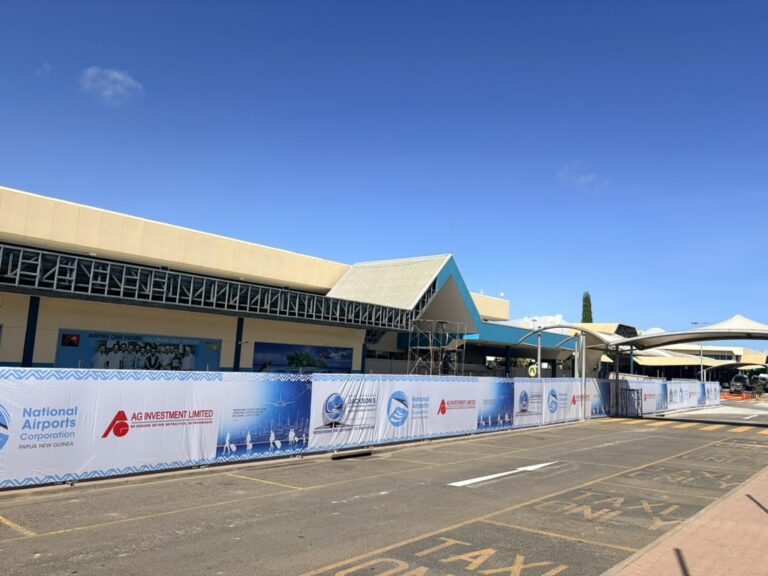
The Jackson’s Domestic Terminal in Port Moresby is undergoing a massive refurbishment that will be done in four phases.

The multi-billion-kina Redevelopment Programme was launched in Port Moresby by the National Airports Corporation (NAC) in partnership with AG Investment Limited and other stakeholders.

It will be delivered in four major phases over the next seven years and represents one of the largest aviation infrastructure investments in Papua New Guinea’s history.

Prime Minister James Marape stated at the launch that the redevelopment is a transformational investment that will position Papua New Guinea as a stronger aviation, tourism, trade, and investment hub for the Asia-Pacific region.

“Every visitor, investor, tourist, and business traveler forms their first impression of Papua New Guinea here. We, therefore, have a responsibility to build a world-class gateway that reflects the confidence, potential, and aspirations of our country,” said Marape.

Phase one includes the extension of 110 meters at the domestic terminal to accommodate the increase in the number of passengers, upgrading of airfield ground lighting, and power supply systems.

Marape said the ongoing construction activity and redevelopment work at the country’s busiest international gateway reflect the Government’s commitment to modernizing critical national infrastructure to meet the demands of a growing economy and a rapidly expanding aviation sector.

“The progress our people are now witnessing at Jacksons International Airport is a clear sign that Papua New Guinea is building for the future. Jacksons International Airport is more than an airport. It is the front door to our nation,” said Marape.

Phase two of the redevelopment will include the installation of new check-in counters, aerobridges, baggage handling systems, and the inclusion of VIP lounges.

Marape stated that the project aligns with the Government’s broader economic agenda to diversify the economy through tourism, aviation, logistics, trade, agriculture, and downstream industries.

“Every Kina invested in strategic infrastructure creates opportunities far beyond the construction site. This airport redevelopment will stimulate tourism, facilitate trade, strengthen business confidence, improve connectivity, and generate thousands of employment opportunities for Papua New Guineans both during construction and long after completion,” said Marape.

Infrastructure and Expansion Details

The upgrade of airport facilities throughout Papua New Guinea is funded through the Asian Development Bank under the Civil Aviation Development Investment Project II. Under the initial airport upgrade program, Papua New Guinea saw the refreshment of airport terminals at Hoskins, Tokua, Momote, Mt. Hagen, Nadzab, and Vanimo.

The other airport facilities that are yet to be upgraded include Buka, Wewak, Daru, and Madang.

Phase three and four of the redevelopments at Port Moresby terminals will include improved accessibility for persons with disabilities, expansion of aircraft parking aprons, and support for aviation infrastructure.

Marape stated that the redevelopment is being driven by a strong growth in passenger numbers and the need to prepare Papua New Guinea for future economic expansion starting now.

A future runway extension is projected under the redevelopment from approximately 2.75 kilometers to 3.5 kilometers, with new taxiways, cargo facilities, and maintenance infrastructure to accommodate larger aircraft and increasing international traffic.

Marape said passenger movements through Jacksons International Airport have doubled over recent decades and reached approximately 1.68 million passengers in 2025.

It is predicted that 4,000 to 4,600 passengers pass through the Port Moresby terminals daily, with projections indicating continued growth over the next twenty years. The redevelopment is designed to ensure sufficient capacity while significantly improving operational efficiency and passenger experience.

Marape stated that the project aligns with the Government’s broader economic agenda to diversify the economy through tourism, aviation, logistics, trade, agriculture, and downstream industries.


The Chinatown development project in Port Moresby has been described as one of the largest private foreign investments in the country’s history. Work on this massive Chinese investment began in 2019 but was stopped due to COVID-19 Restrictions.

Prime Minister James Marape described the K3-billion project as a powerful vote of confidence in PNG’s economy and its long-term future.

The investment will include apartments, shopping malls, restaurants and a cinema and is worth over US$400,000.

Marape commended the Chinese developer, Baosen International Holdings Limited, for its vision and confidence in Papua New Guinea.

“First of all, I commend the Investor for choosing to invest in Papua New Guinea. K3-billion is not little money. We greatly appreciate the faith that our friends from China have placed in Papua New Guinea,” said Marape.

Upon completion, it is expected to become one of Port Moresby’s largest integrated commercial developments and provide employment opportunities for more than 1,000 Papua New Guineans during construction and ongoing operations.

Marape said the Five-Mile Chinatown Development will transform what had remained largely idle land into one of the country’s premier commercial precincts.

“What was once open grassland sitting idle for many years will now become home to K3-billion worth of investment. These buildings will remain here for generations. They will create jobs, generate business opportunities and add permanent value to our capital city and our economy,” said Marape.

The launch of this multi-billion-kina investment came two weeks after the PNG Government announced it was closing its Taiwan Office in the country.

PNG Foreign Affairs Minister, Justin Tkatchenko said in a statement that PNG supports China’s One Belt- One Road Policy and will no longer allow Taiwan to operate its physical office in Port Moresby.

Marape said the PNG-Chinese relationships was first developed in the 1800s when Chinese migrants first arrived in PNG, set up businesses and contributed to the building PNG’s economy in the early days.

“China and Papua New Guinea share a long history. Since the first Chinese migrants arrived in our country in the nineteenth century, they have become part of our communities and have contributed immensely through retail, restaurants, plantations, commerce and many other sectors,” said Marape.

Marape said the Investment reflected growing international confidence in Papua New Guinea’s Economic direction under his government, investors recognize the country’s strategic location and long-term growth prospects.

“They have seen the progress our country is making and have chosen to become part of our journey into the future. Investments of this magnitude do not happen by accident. They happen because investors have confidence in the future of our nation,” said Marape

The PNG Government said many decades of economic and business exchanges between the two countries have passed but the Marape-Rosso government now welcome another generation of investors who continuing that proud tradition,” said Marape.

The mixed-use Chinatown development is planned as a modern commercial and residential precinct comprising of retail outlets, restaurants, office complexes, modern apartment buildings and business facilities.

He said the Project aligns strongly with the Government’s broader Economic Strategy of encouraging quality Foreign Direct Investment while creating lasting economic assets for Papua New Guinea.

Marape said such Developments contribute significantly to urban renewal while creating new opportunities for local businesses, contractors, service providers and small and medium enterprises.

Papua New Guinea has seen at least four boat mishaps in the last two weeks that ended in tragedy. The worst incident saw the death of 27 people in East New Britain. 13 bodies have since been recovered while 14 others remain missing at sea.

Following these boat tragedies, Morobe police have issued strong warnings to all Small Craft Operators in the Province to observe Maritime Safety and not travel when there are strong wind warnings.

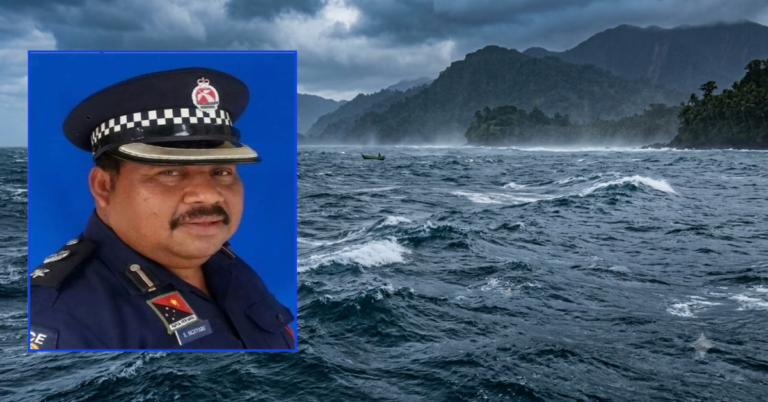
Morobe Police Commander Chief Superintendent, Samson Siguyaru states that police in Lae received reports of a father and daughter drowning at Quambu Point at Sialum Station, after their boat capsized last Thursday 23rd July.

Police reports confirmed that a family of five were travelling in a small craft during rough sea conditions and the boat capsized. The father and his eldest daughter lost their lives, and their bodies are now at the Butaweng Mortuary.

Siguyaru says police are also questioning crew members of a separate boat incident, where a mother had survived while two young children remain missing at sea.

“The skipper and his two crew members have been identified, and police investigations are underway,” says Siguyaru.

Siguyaru states that these incidents serve as a serious reminder to all small craft operators that warnings issued by the National Maritime Safety Authority (NMSA) and other lawful authorities must be obeyed.

However, despite repeated weather warnings, some operators continue to ignore these directives, placing the lives of passengers at unacceptable risk.

Last week, two separate boat incidents were reported in Madang and Milne Bay Provinces. In Madang, a tugboat rescued passengers who were drifting at sea for over 24 hours before they were rescued last Saturday (July 25). A child and two elderly women were onboard that sinking boat when they were spotted at 7am last Saturday.

In Milne Bay, four people have been reported dead and at least three others still missing when a boat carrying passengers heading towards Vogel Point capsized due to strong winds and heavy currents.

With the lack of awareness and risk the boat operators are taking to travel in these weather conditions, police are now cautioning passengers and boat operators to follow restrictions put out by the National Maritime Safety Authority.

In Morobe, police are now directing all small craft operators throughout the province to strictly comply with all NMSA safety advisories, weather warnings, and lawful directions issued by police and other authorized agencies. Operators who disregard these warnings and continue to operate in unsafe conditions will face police action.

“Police officers throughout the Morobe Province have been instructed to stop, inspect, and, where sufficient evidence exists, arrest operators who deliberately violate maritime safety requirements or lawful police directions,” says Siguyaru.

The PPC says operators would be liable for prosecution under applicable Papua New Guinea laws, including:

  • The National Maritime Safety Authority Act 2003 and regulations made under that Act, for breaches of maritime safety requirements.
  • The Merchant Shipping Act 1975 (as amended), where offences relate to the unsafe operation of vessels or conduct endangering life at sea.
  • Relevant provisions of the Criminal Code Act, where negligent or reckless conduct results in death, serious injury, or danger to human life.

The PPC says the police would work closely with the National Maritime Safety Authority to ensure offenders are investigated and prosecuted where appropriate. He states that the loss of innocent lives due to reckless disregard of safety warnings is preventable. No operator should place profit or convenience above the safety of passengers.

The PPC says the Morobe Provincial Police Command extends its deepest condolences to the bereaved family and continues to support search efforts for the two missing children in the boat incident in Morobe.


The Australian Government is supporting Papua New Guinea in the fight to prevent and minimize the alarming rates of HIV and Aids in the country.

Australia is working with the Health Department of PNG to strengthen HIV prevention, early diagnosis and treatment for mothers, infants and young children at the community levels.

In strengthening the health systems and awareness programs, health workers from across PNG participated in the National Prevention of Parent-to-Child Transmission and Early Infant Diagnosis Integrated Training Program in Port Moresby.

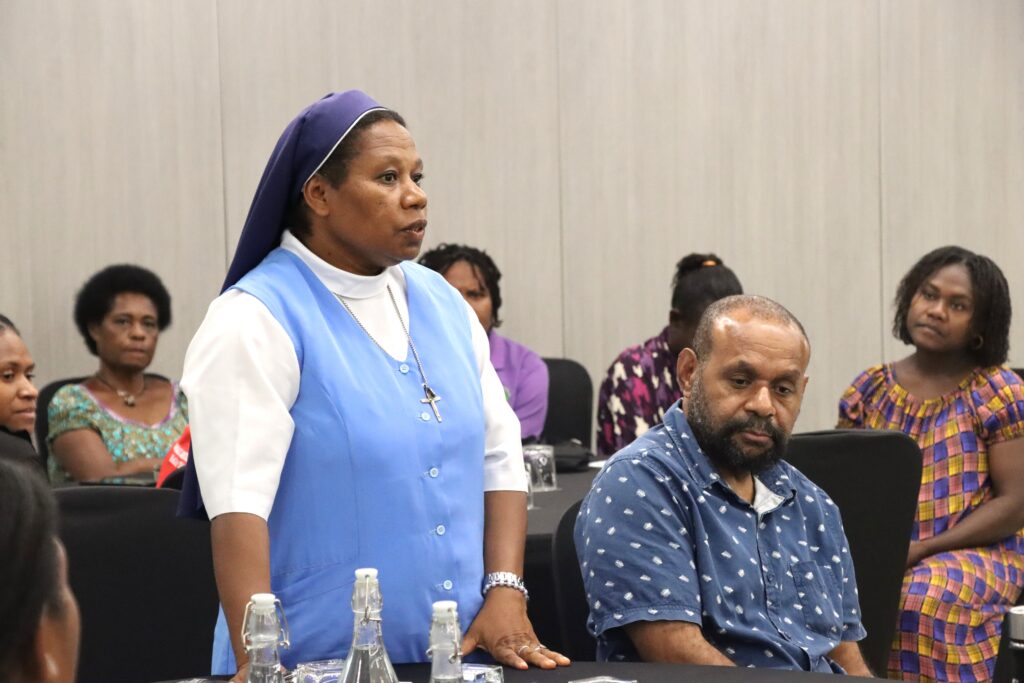
Sr. Milliana Wangusawo an STI and HIV Coordinator at the Madang Provincial Health Authority who attended the training supported by the PNG-Australia Partnership, said the training was an important opportunity to improve the quality of care provided to women and children in her province.

“This training equips frontline health workers with the precise clinical skills they need to deliver expert care and save lives,” Sr Milliana said.

Newborn babies who are born from women who have HIVAIDs are at high risk of contracting the disease at childbirth or during breastfeeding stages. Hence the early detection of the virus is vital to protect the babies soon after delivery.

A UN report states that Globally, an estimated 1.3 million women and girls living with HIV become pregnant each year. In the absence of intervention, the rate of transmission of HIV from a mother living with HIV to her child during pregnancy, labor, delivery or breastfeeding ranges from 15% to 45%.

In 2024, Papua New Guinea recorded around 2,700 infants were newly infected because mothers lacked access to antenatal care and HIV testing at the health facilities.

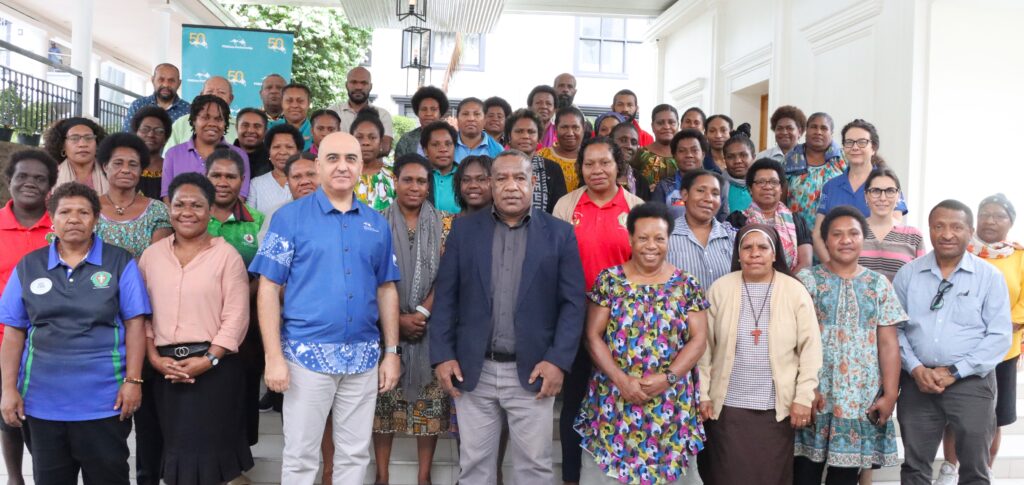
IMG 1 Participants in the training.jpg
Participants in the training.

The training brought Sr Milliana and other health workers together with representatives from PNG’s National Department of Health, provincial health authorities, Catholic Church Health Services and the Australian High Commission.

Sr Milliana works at the frontline of PNG’s HIV response, supports efforts to translate national policies and clinical guidance into better services for families and communities. She has seen first-hand how improved systems can help prevent babies from contracting the virus.

“Ending parent-to-child transmission is within our reach if we can diagnose, prevent and treat early,” Sr. Milliana added.

The knowledge and practical skills she received through the training will help her connect with mothers and infants with earlier testing, treatment and follow-up.

It will strengthen her ability to provide HIV treatment to pregnant women, diagnose HIV in infants, manage essential supplies and data, and deliver safe, stigma-free care.

With HIV in PNG disproportionately affecting women and children, this continuity of care is critical, particularly in provincial and community settings.

It also strengthened collaboration among government, faith-based health providers and development partners and local communities.

The Australian Government remains committed to working in partnership with PNG to strengthen its health system, build a capable and confident health workforce, and expand access to quality HIV services, particularly in rural and remote communities.


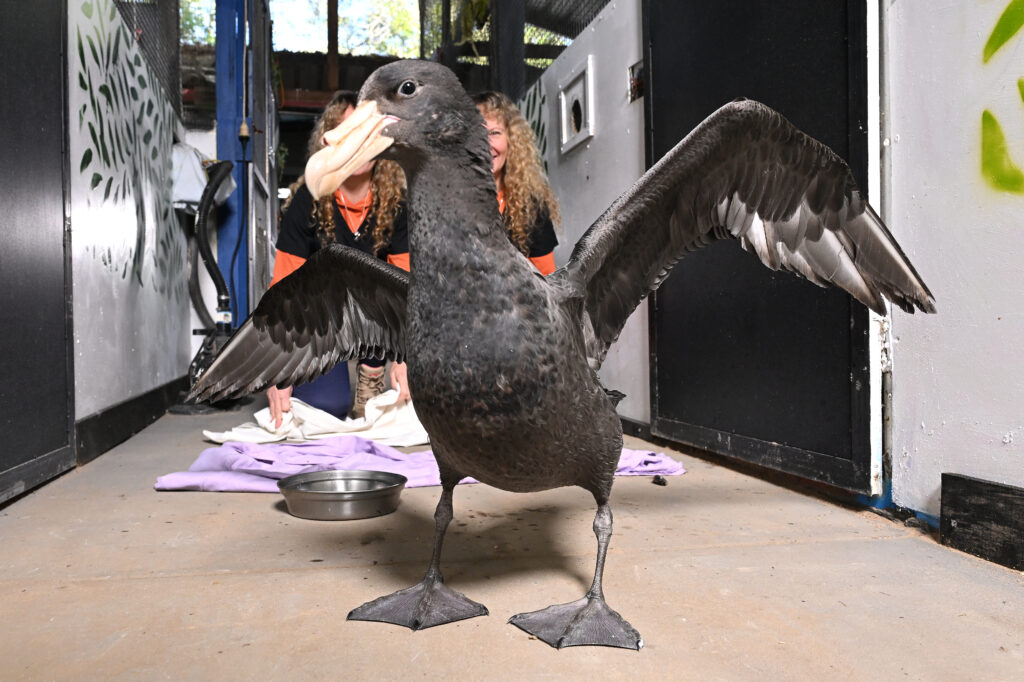
For the first time, the deadly H5 bird flu has made its way to the Queensland coastline. This development comes as the number of confirmed cases in wild seabirds across the country rises to 17, triggering urgent alerts to protect vulnerable animal populations.

Authorities at the Queensland government’s Biosecurity Sciences Laboratory confirmed that a dead petrel discovered on Moreton Island tested initially positive for the highly pathogenic H5 avian strain.

Following this initial discovery, officials dispatched samples to the CSIRO Australian Centre for Disease Preparedness to undergo official verification.

Dr Carol Booth, Policy Director for the Invasive Species Council, stated that the appearance of the H5 virus in Queensland ought to worry anyone invested in Australia’s native fauna.

“Bird flu has now reached Queensland’s coastline, and that should concern every Australian who cares about our wildlife,” Dr Booth said.

“We can’t stop this virus, but we can boost the capacity of wildlife to survive and recover from outbreaks.”

Australia documented its inaugural H5 bird flu case on June 20. The tally now stands at 17 verified instances of the severe H5 strain among wild seabirds, consisting of 10 in Western Australia, five in South Australia and two in New South Wales.

Dr Booth said ongoing monitoring initiatives were proving effective, though she cautioned they would lose their shield once the pathogen spreads to at-risk species.

“Finding cases is only the first step – once this disease reaches vulnerable wildlife populations, surveillance won’t prevent the devastating impacts we’ve seen overseas,” she said.

“Millions of wild birds and marine mammals have died, and unless we do everything we can to strengthen the resilience of at-risk populations, there’s every reason to fear Australia could face similar losses.”

Data from the Department of Primary Industries indicates that Queensland currently has zero cases within commercial poultry flocks and no reports of mass animal mortality events.

Primary Industries Minister Tony Perrett stated that consuming chicken meat and eggs remains entirely secure.

“It is safe to continue to eat chicken meat or eggs, and I would encourage Queenslanders to purchase these products as they normally would,” Mr Perrett said.

Dr Allison Crook, Queensland’s Chief Veterinary Officer, explained that the preliminary positive outcome was expected and that the region maintained a strong state of readiness.

“We have known that a H5 bird flu detection in Queensland was a matter of when, not if,” Dr Crook said.

“This suspect positive result has not impacted our poultry sector or native wildlife and we are continuing our enhanced passive surveillance program throughout the state and would encourage the community and industry to continue to be vigilant.”

Dr Booth pressed forward with her appeal for the federal administration to fund a comprehensive ‘wildlife resilience’ initiative, designed to help native species endure the threat of bird flu alongside other environmental pressures.

“We are urgently calling on the Albanese government to invest $200 million in a wildlife resilience package that would reduce the other pressures pushing vulnerable species towards extinction,” she said.

“These are practical, no-regrets investments that will help wildlife withstand bird flu while also making Australia better prepared for future disease outbreaks and other environmental threats.”

Government officials and conservation groups continue to call on residents throughout Queensland and neighboring regions to maintain a high level of watchfulness.


Pin It